
THE APEX TIMES
Friday Rockpile: Rockies’ Coors Field crowd totals keep sliding in 2026
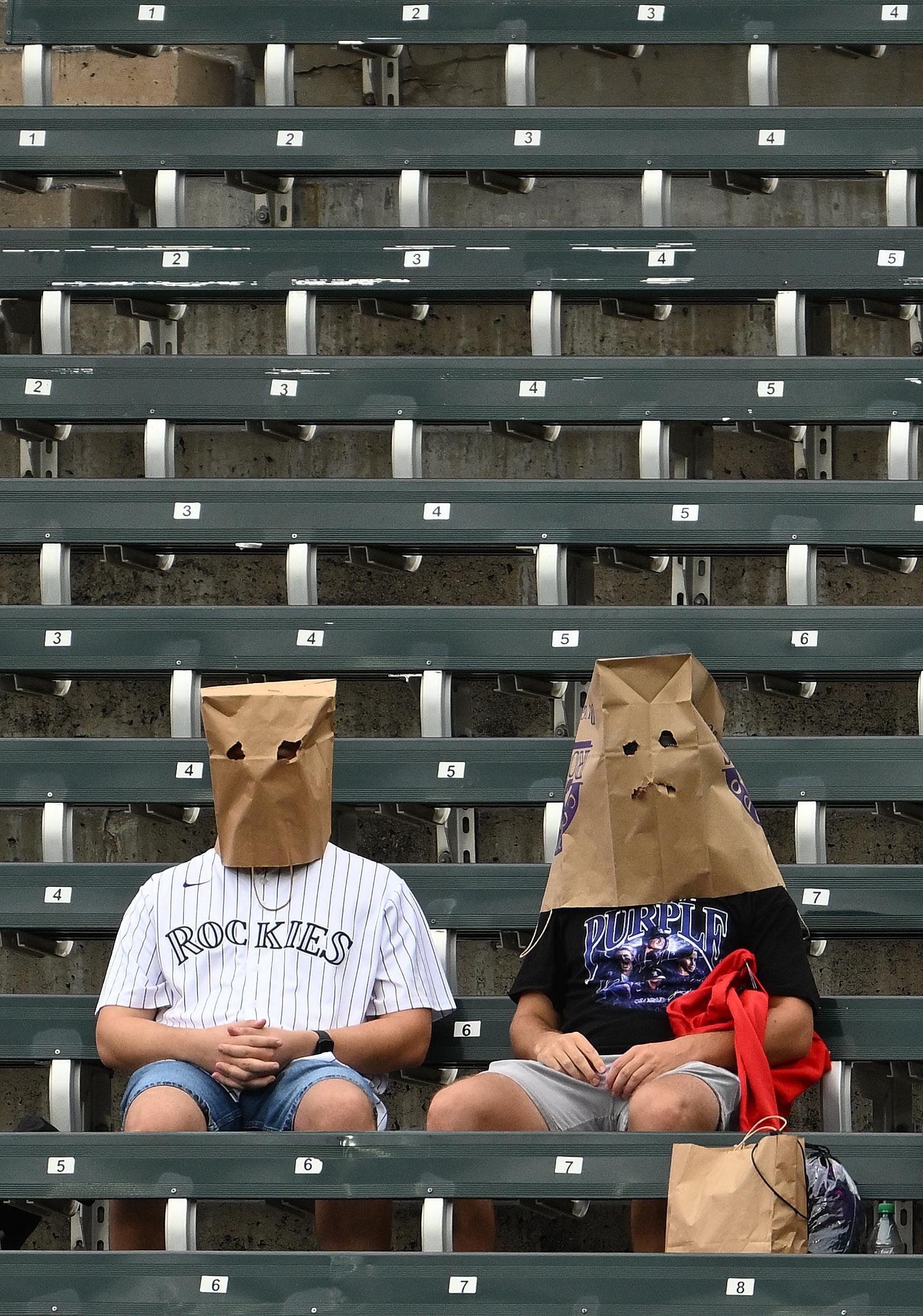
Colorado’s home attendance dropped again at Coors Field, reaching its fewest total fans since 2005, adding another data point to a difficult season trend for the Rockies.
The Rockies’ 2026 season is once again coming with a troubling backdrop, not only on the field but at the turnstiles. At Coors Field, the club saw its fewest total fans since 2005, continuing a years-long pattern of struggling to generate consistent attendance even when summer baseball is at its busiest.
The drop matters because a team’s home crowd is both a scoreboard for fan sentiment and a practical ingredient in the game-day environment. Coors Field is often viewed as a destination, helped by the ballpark’s energy and the sheer frequency of home events. When total attendance falls to the lowest level in more than two decades, it suggests more than a single-week slump.
According to the Friday Rockpile update, the attendance dip is occurring alongside another on-field reality: the Rockies are in a 100-loss season again. That combination is the kind of correlation that can be self-reinforcing. When results do not meet expectations, even loyal fans can reduce their trips, and casual interest can fade more quickly, especially in a division where the playoff picture tends to concentrate attention on teams that are steadily winning.
Rockies fans are also used to baseball’s natural ebbs and flows, with attendance often tied to promotions, matchups, weather and, crucially, competitiveness. A season like this one shifts the balance. When a team is far from contention for long stretches, the demand curve for home games can tilt sharply downward, and the stadium can feel emptier even on dates that would normally draw bigger crowds.
It is also notable that the figure referenced is total fans, not just a single-game headline. Total attendance is usually the clearest metric for diagnosing whether the problem is systemic across the schedule or limited to a small number of unusual circumstances. Reaching the fewest total fans since 2005 implies a broader decline over the course of the season so far rather than a one-off event.
For the Rockies, the next question is what happens when the performance picture begins to stabilize. Attendance trends can reverse when winning returns, but they can also harden if fans conclude that the team is repeatedly rebuilding without closing the gap. Even without making assumptions about roster or operational changes, the attendance data points to a front-and-center challenge for the organization: restoring belief that home games are worth the ticket price and the time investment.
What to watch next is whether the Rockies can create any sustained spark that moves crowds back toward earlier-season levels. If the club continues toward another prolonged stretch without major traction, Coors Field’s attendance numbers could keep sliding deeper into historical territory.
Why It Matters
- Attendance at Coors Field is a barometer of fan confidence, and a multi-year low can influence the atmosphere and day-to-day experience at home.
- Sustained low turnout can affect revenue stability, which matters for long-term team-building decisions in MLB.
- A club finishing far from contention for long stretches can create a feedback loop where weaker performance further reduces demand for home games.
- If the Rockies can show meaningful on-field improvement, attendance trends are one of the first indicators that fan sentiment is returning.
Key Facts
- Coors Field is seeing the Rockies’ fewest total fans since 2005, according to a Friday Rockpile update.
- The attendance dip is occurring again in 2026 as the Rockies continue to struggle on the field.
- The update ties the attendance trend to the team’s broader performance problem, noting the Rockies are on track for another 100-loss season.