
THE APEX TIMES
FSU’s coaching-seat pressure faces a different opponent: cash
A report from Yahoo Sports argues that Florida State’s internal financial constraints could limit how long the program can afford to keep moving on from coach Mike Norvell after recent results.
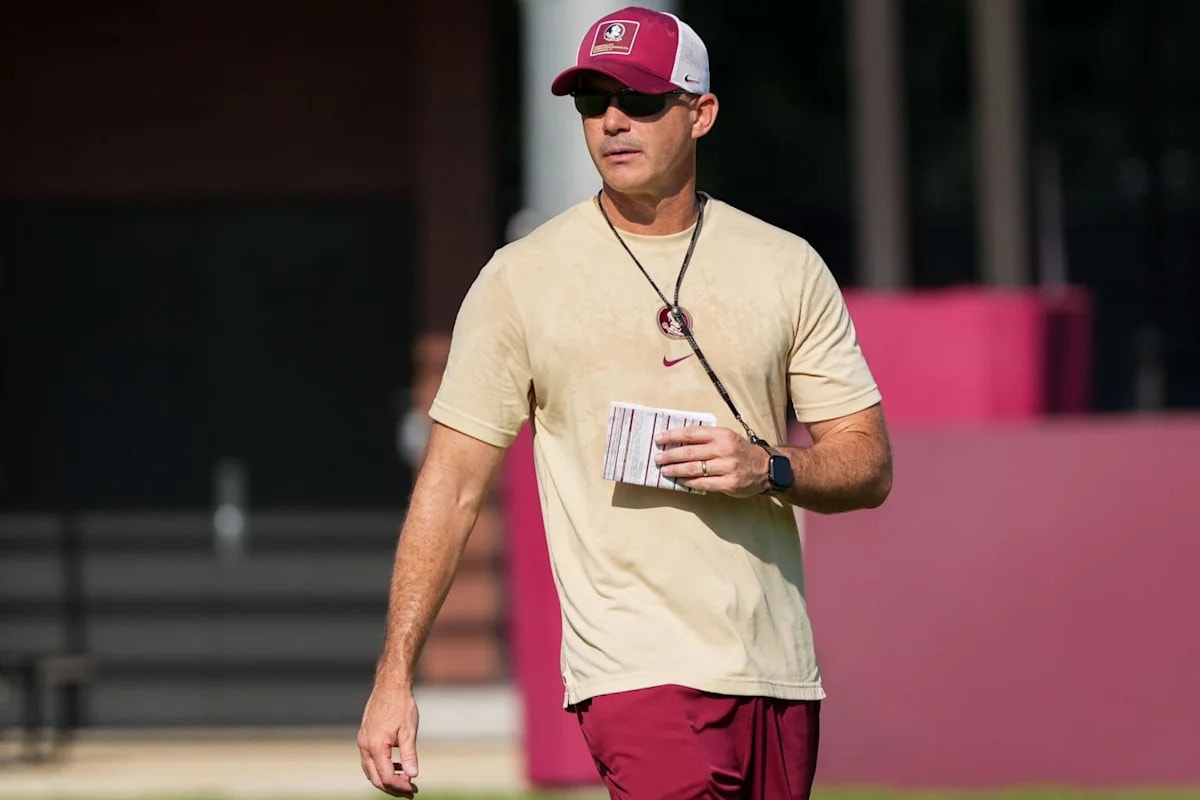
Florida State’s coaching situation has long been judged by performance, but a Yahoo Sports report suggests a second, less visible factor may increasingly shape the timeline for change: the program’s finances. The piece frames Norvell’s seat as one of the hottest in college football, pointing to 17 losses over the past two seasons as the on-field driver of fan and media pressure. It then argues that even if results do not improve quickly enough, the athletic department’s available resources could affect how quickly the school can act.
In the Yahoo Sports account, the central claim is that Florida State is facing a cash shortfall, and that this economic reality could “extinguish” the hopes of a coaching change. The report also references what it calls an edict issued to Norvell by the athletic administration. While the specific terms of that edict are not provided in the information available here, the reported framing matters because it implies the program is treating the current stretch as a defined window, not an open-ended evaluation.
The practical issue in coaching-seat conversations is that college football decisions are rarely purely about football. When a program buys time, it typically requires paying multiple bills at once, including buyout obligations and the administrative cost of transition. When a program is described as cash constrained, it often changes the options that leadership can pursue, even if the fan base wants a change sooner rather than later. That is the lens Yahoo Sports uses, suggesting that economic constraints could narrow the range of actions Florida State can take, and therefore lengthen the fuse on Norvell’s tenure.
Norvell’s situation is also linked to the broader reality of Florida State’s roster cycle. In college football, the consequences of uncertainty do not stay confined to the coaching booth. A prolonged hot-seat narrative can affect recruiting relationships, player confidence, and the perceived stability of developmental plans. At the same time, leadership uncertainty can also become a recruiting liability, which is one reason athletic departments often try to manage coaching transitions carefully, especially when financial circumstances are tight.
Although the report emphasizes a likely link between finances and coaching action, it does not establish that Florida State is guaranteed to keep Norvell regardless of performance, nor does it specify any particular deadline or formal timeline in the available material. That distinction is important. Coaching seats can cool or intensify based on how the program performs on the field, and athletic departments can sometimes find ways to restructure resources even when budgets appear strained. In other words, economics may shape the range of outcomes, but it does not fully determine them.
For Florida State and its supporters, the next thing to watch is whether the “edict” described by Yahoo Sports is reflected in the program’s approach week to week, especially in how the team executes fundamental details. A short evaluation window, if real, often shows up in recruiting messaging, staff stability indicates, and the consistency of on-field process. If Florida State’s results do not trend upward, the financial argument in the report could resonate even more, because it would align with the idea that the administration is balancing urgency against affordability.
The larger takeaway for college football is that coaching-seat volatility may not be only about wins and losses. When a program faces economic constraints, it can shift decision-making from immediate emotional pressure toward risk-managed planning. The Yahoo Sports framing makes that point sharply: the “hot seat” may not be extinguished by comfort or confidence, but by the limits of what the program can fund while it resets its football future.
Why It Matters
- Coaching transitions in college football often depend on more than on-field results, including buyout and operational costs.
- If Florida State is financially constrained, it could influence how quickly the program can pursue a change even when fan pressure is intense.
- Uncertainty around coaching can affect recruiting relationships and player buy-in, which can shape roster development over multiple cycles.
- The “edict” framing suggests the program may be treating the current stretch as a defined window, increasing the importance of consistent weekly execution.
- The story also highlights how economics can factor into athletic department decision-making, not just performance metrics.
Key Facts
- Yahoo Sports portrays Florida State coach Mike Norvell as facing one of the hottest coaching seats in college football.
- The report cites 17 losses over the past two seasons as the performance basis for heightened pressure.
- Yahoo Sports argues Florida State’s financial constraints, including a reported cash shortfall, could limit or delay the likelihood of a coaching change.
- The report references an edict from Florida State’s athletic administration to Norvell.
- The available material does not provide the specific terms of the edict or any detailed timetable.