
THE APEX TIMES
Gabriel Hughes keeps battling, and the Rockies want him to simplify his big-league outings
In his first eight weeks in the Majors, the rookie right-hander has shown a willingness to work through damage. The next developmental push for the Rockies is making tough stretches less complicated, especially when batters get early looks.
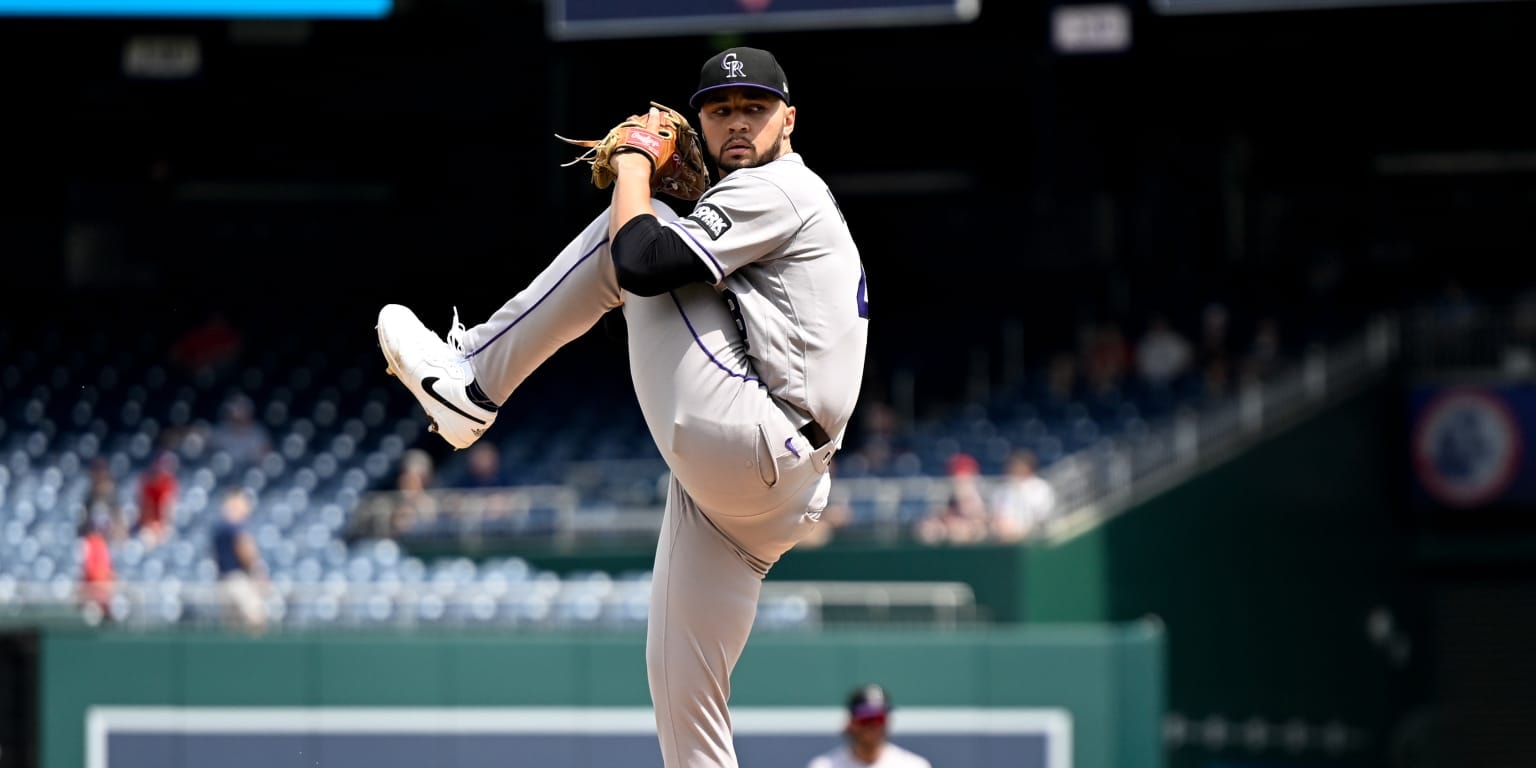
Rockies rookie right-hander Gabriel Hughes is drawing attention for the way he responds when a start goes sideways. In the season’s opening slice of his big-league time, Hughes has shown an ability to push through difficult moments, including stretches where contact quality can shift quickly. The emphasis now, according to the team’s game-week reporting, is not just competing through those patches, but making the hard parts of an outing easier to handle as he settles into Major League rhythm.
The latest example came during Hughes’ outing against the Nationals, where the reporting framed his night as a grind that ultimately produced a completed, workmanlike effort. The club’s write-up highlighted the theme of “tough 5-inning start,” underscoring that the challenge was not about whether adversity would arrive, but about how Hughes would manage it once hitters found a foothold early.
In that same game recap context, the team also pointed to how quickly offense can build on small advantages. Soft contact that becomes hits in the first two innings is a particular kind of frustration for a pitcher in the early frames, because it can turn a controllable sequence into a larger problem before the pitcher has fully seen a lineup’s adjustments. Hughes’ response, per the narrative of the report, was to keep his form and his intent as the inning pressure increased.
That “battle” trait is a key baseline skill for any rookie trying to stay in a rotation. Getting through a tough start matters because it buys more of the same against the next opponent, keeps the development arc moving forward, and reduces the need for constant correction. But the Rockies’ next step, as the story suggests, is outcome and efficiency, meaning fewer moments where innings pile up because hitters capitalize early and the margin narrows for the rest of the night.
For Hughes, this is also about learning the personal details of Major League pitching. The difference between competing and cruising often comes down to how a pitcher sequences once hitters start to recognize patterns. The team’s framing implies that Hughes is already capable of absorbing early trouble, and that the next improvement is to smooth out the volatility by making each at-bat simpler, rather than relying on the ability to escape complicated innings.
If the Rockies can get that second phase of development from Hughes, they improve their ability to map out rotation usage and longer-term planning. A pitcher who can handle setbacks without the outing turning into a fully charged scramble gives the team more options, whether the immediate goal is holding the rotation steady or extending bullpen coverage on days when games turn into late-inning contests.
As Hughes moves forward, the storyline to watch is whether his “stickiness” to the moment translates into more consistent command across an outing, especially in the opening frames. The results may still fluctuate, because rookies face learning curves that do not disappear quickly, but the direction the team is pointing is clear: compete first, then streamline.
For now, Hughes’ first eight weeks in the Majors are being treated as proof of temperament, while the work ahead is being treated as the process of simplifying how he handles adversity. The Nationals game served as a snapshot of that ongoing lesson, and the Rockies’ development plan appears built around turning battles into easier innings as he grows into the rotation role.
Why It Matters
- A rookie’s ability to absorb early setbacks helps determine how long a club can keep him in a rotation role while development continues.
- Turning “battles” into cleaner innings is often the difference between steady Major League outings and constant bullpen stress.
- If Hughes improves in efficiency and sequence management, it gives the Rockies more flexibility in building game plans around his starts.
- The Nationals matchup provides a live example of how Hughes handles hitters when the early margin shrinks.
Key Facts
- Rockies rookie right-hander Gabriel Hughes has established a reputation for battling through tough patches during his first eight weeks in the Majors.
- The team’s reporting frames the next step for Hughes as making outings easier on himself, not only surviving early trouble.
- Hughes’ most recent described outing included a “tough 5-inning start” against the Nationals.
- The recap emphasizes how quickly softly hit balls can become hits early, creating early inning pressure.
- The focus of the story is on Hughes’ response to early adversity and what that means for his continued rotation development.