
THE APEX TIMES
Game Preview: Suns aim to fix ball security and free throws after a sloppy Detroit stop, then test themselves in Chicago
Phoenix’s preseason review starts with two basic themes, take care of the ball and make more free throws, while the center rotation remains a key question as the Suns move on to Chicago.
Phoenix’s preseason continued with a point the team and coaches will not ignore, the Suns were sloppy in Detroit. In the immediate sense, the game served as a diagnostic. In the bigger sense, it highlighted the areas that often show up early in the schedule: ball security, free throws, and how smoothly the frontcourt rotation operates.
In that preview framing, the emphasis is straightforward. Ball security matters because early turnovers can snowball, even in exhibitions where lineups change quickly and rotations are fluid. Free throws matter because, as the preseason progresses, those “misses” become a measurable habit. The Suns’ next step is less about any single play and more about whether they can tighten the fundamentals after the Detroit outing.
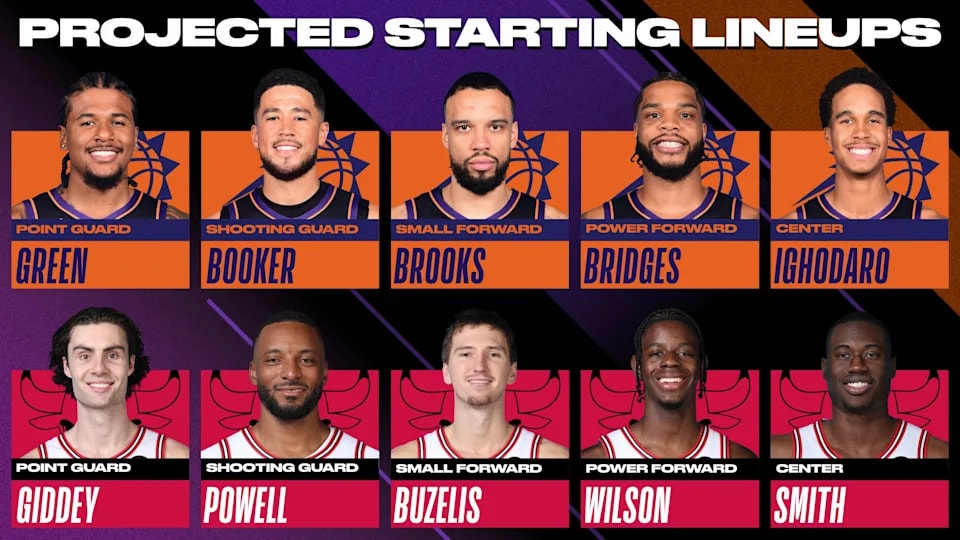
Center rotation is another focal point. Preseason is when teams experiment with matchups and minutes distribution, but it is also when they determine whether different combinations can coexist without eroding spacing or rebounding structure. For Phoenix, the center minutes are being treated as a headline item for the next test against Chicago, suggesting staff is watching how the group handles physicality, screens, and positioning in real time.
The location switch matters for a different reason. Chicago represents a new set of personnel and style, and those differences tend to expose whether a team’s scheme is adaptable. If Phoenix’s issues in Detroit were tied to execution under pressure, the next question is whether the Suns can respond on the road by keeping possession clean and staying disciplined enough to earn and convert free throws rather than giving games away at the line.
This is the preseason, so results are best read as process indicators, not postseason promises. Still, the best preseason teams do not simply “try harder,” they correct specific problems. If Phoenix can reduce turnover frequency, improve free-throw accuracy, and make the center rotation look more coordinated, it creates a foundation that makes the late-stage preseason games and the opening stretch of the regular season easier to manage.
What to watch next in Chicago is whether Phoenix’s possessions look more controlled, particularly in transition and in the early minutes when rotations shuffle. Also watch for whether the Suns’ center group can stabilize rebounds and set screens in a way that supports the perimeter offense. If those areas improve quickly, it suggests the Detroit slip was a correctable execution issue, not a deeper structural weakness.
Why It Matters
- Preseason turnovers and free-throw performance can reveal whether a team is building consistent habits before the regular season begins.
- A stable center rotation affects both rebounding and spacing, two elements that influence how effective the rest of the lineup can be.
- Improving fundamentals quickly in exhibitions can reduce pressure on late roster decisions and integration of new combinations.
- Chicago provides a different stylistic test, which helps determine whether Phoenix’s adjustments are transferable rather than game-specific.
Key Facts
- The Suns’ preseason includes a focus on correcting issues from a Detroit game described as “sloppy.”
- The preview highlights three watch items for Phoenix: ball security, free throws, and the center rotation.
- Phoenix’s next preseason matchup is against Chicago after the Detroit stop.
- The preview frames these factors as the main indicators of whether Phoenix can improve execution going forward.