
THE APEX TIMES
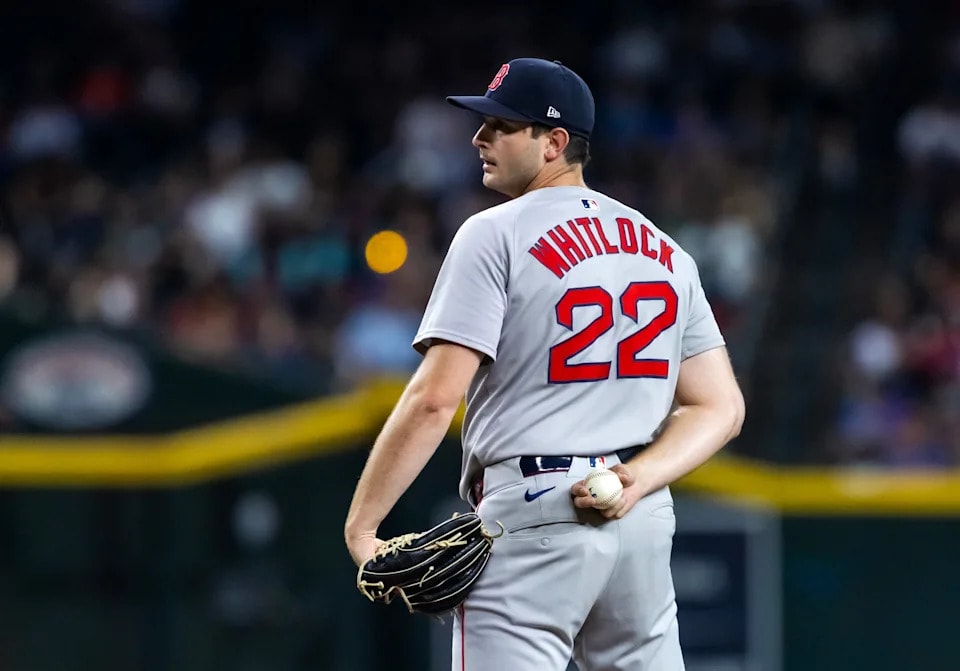
Garrett Whitlock says he pitched through fractured right tibia late in the 2026 season
The Red Sox reliever reports that tests later confirmed a right lower-leg fracture during the latter part of the year, an unusual kind of durability story that also raises new questions about how teams manage pitching health.
The Boston Red Sox learned, through subsequent testing, that relief pitcher Garrett Whitlock had been pitching through a fractured right tibia during the latter portion of the 2026 season, according to Whitlock’s own account reported by Yahoo Sports on Oct. 10.
In the report, Whitlock said he played through the injury after it occurred, and that later tests revealed the fracture rather than a less serious explanation for what he had been dealing with during games. The episode is notable because pitchers rely on the legs to generate delivery mechanics, stabilize repeatable motion, and absorb force with every stride and plant.
Relief roles in MLB are built for short bursts of high velocity and sharp command, so any lower-body issue can be especially consequential even if a pitcher believes he is compensating. Whitlock’s case, as described, points to a familiar tension in professional sports, when the line between “playing through” and risking further damage can be blurry in the moment.
The Red Sox, like every club, manage bullpen usage with both performance and health in mind, and the timing of this revelation matters for how the team and Whitlock interpret the season that just ended. If the fracture was present during the back end of the year, it helps frame why late-season pitching outcomes can shift even for athletes who appear, on the surface, to be functioning normally.
At the same time, a fracture diagnosis changes the lens through which fans and evaluators view any statistical production or command changes during the period in question. Pitching through a broken bone implies not just discomfort, but a mechanical constraint that could affect how a pitcher generates separation, controls direction, and recovers between appearances.
For Whitlock, the immediate next steps likely revolve around medical reassessment, recovery planning, and careful monitoring of how the leg responds under throwing stress, given that a fractured tibia is not a typical “wear-and-tear” ailment. The report does not provide specifics on treatment timeline or clearance, so any conclusions about his readiness would be premature without additional team or medical updates.
Going forward, the key question for the Red Sox will be how the bullpen is structured around Whitlock’s health status and how the organization builds redundancy in leverage innings. More broadly, the story also underscores the importance of diagnostic testing when a pitcher’s function appears to be changing, even if he believes he can still compete.
Why It Matters
- A tibia fracture is a lower-body injury with direct implications for pitching mechanics, stability, and repeatability, which can affect bullpen effectiveness.
- If a fracture was present during late-season appearances, it can reshape how the Red Sox interpret performance trends and usage decisions from that period.
- The incident highlights the gap between how an athlete feels in the moment and what medical testing later confirms.
- For team-building, the Red Sox will likely need to plan bullpen leverage options with health uncertainty in mind until Whitlock’s status is clarified.
Key Facts
- Garrett Whitlock, a Red Sox reliever, said he pitched through a fractured right tibia during the latter portion of the 2026 season.
- The report indicates that tests later revealed the fracture.
- The account was published by Yahoo Sports on Oct. 10, 2026.
- The injury described involves the tibia, a key weight-bearing bone in the lower leg used during pitching mechanics.
- The story centers on medical confirmation after the fact, rather than a contemporaneous announcement.