
THE APEX TIMES
Gary Gill Hill’s four-pitch arsenal gives Mets a fresh look after Freddy Peralta trade with Rays
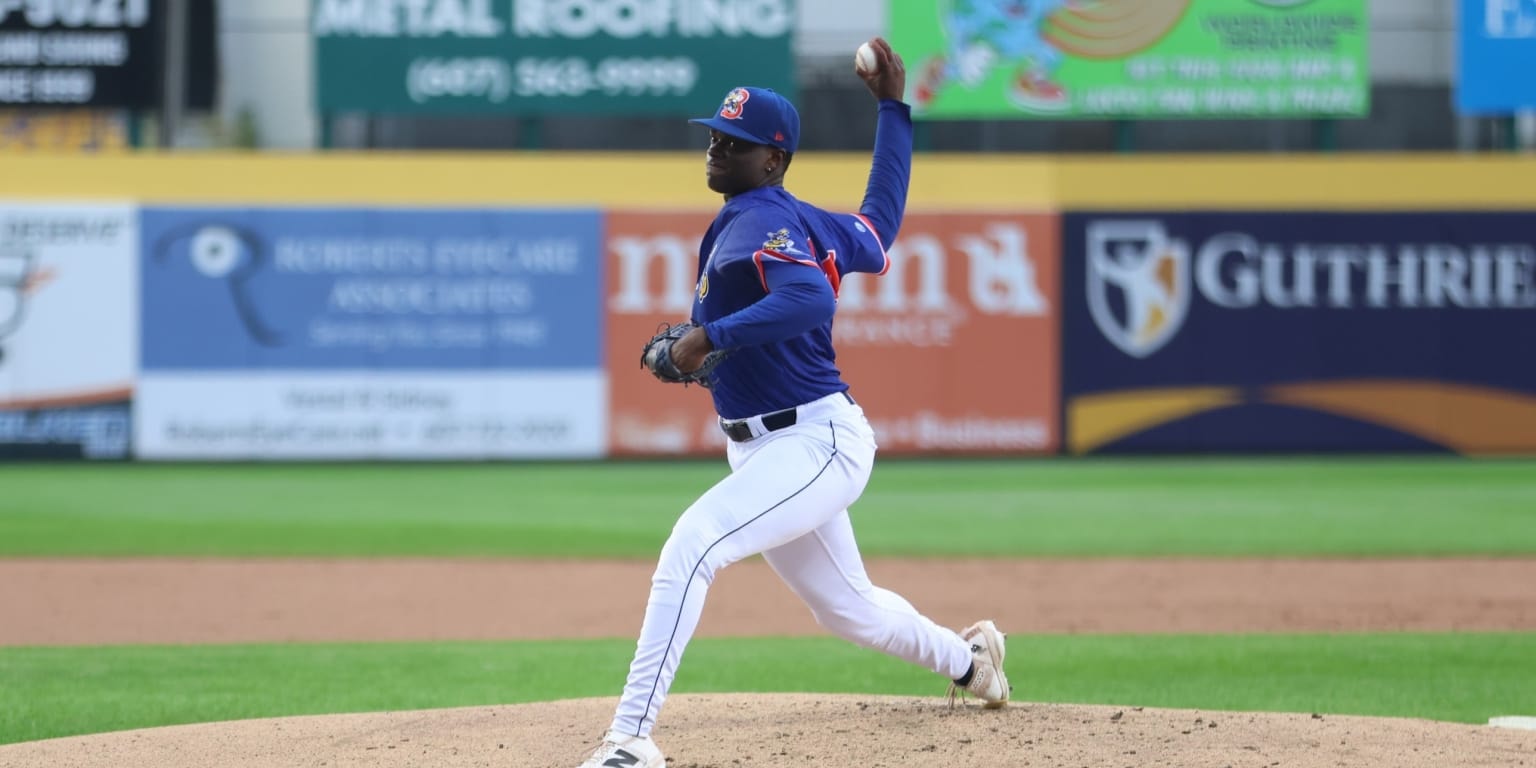
Acquired by New York in the trade that moved Freddy Peralta to Tampa Bay, the Mets’ No. 19 prospect Gary Gill Hill is already turning heads with what the organization calls a “four-pitch mix” ready for the next step.
The Mets did not just add a prospect name at the Trade Deadline. They added Gary Gill Hill, a well-regarded pitching prospect whose skill set, at least in the early framing from the organization, is built around a four-pitch mix and the kind of mix-and-match ability that can travel well through the minor leagues and into major-league auditions.
Gill Hill arrives in New York in the context of the Freddy Peralta trade with the Rays, a deal that reshaped both franchises’ pitching pipelines at the deadline. For the Mets, it created an opening to bring in another young arm they can develop and evaluate as part of a broader roster-building cycle that has leaned on premium prospect talent.
MLB’s Mets team writing describes Gill Hill’s profile as a “sparkling” first impression in the system, emphasizing that the appeal is not limited to one standout weapon. The four-pitch approach matters because it suggests a pitcher can stay functional as hitters adjust. It also indicates that New York sees more than raw talent, viewing the repertoire as something that can be refined into repeatable at-bats-and-batter decisions.
From an evaluation standpoint, a four-pitch package tends to create different paths to outs. Even without getting into specific pitch-by-pitch mechanics, the underlying idea is that a pitcher who can sequence multiple offerings can attack both sides of the plate, change the timing of contact, and keep hitters from leaning on a single visual or release-point cue. The Mets’ public description of Gill Hill’s mix is consistent with that broader development philosophy.
For Gill Hill, this moment is about more than landing on a new organization’s prospect board. It is also about validation, because any new arrival must quickly show that the tools are real and that they translate beyond the scouting report. The Mets’ framing of his early work suggests they believe the repertoire is already ahead of where many pitchers are at similar stages, at least in terms of shaping a workable game plan.
The trade context raises the stakes in the Mets’ long view. Freddy Peralta’s departure to the Rays moved talent in the other direction, meaning New York is now tasked with converting what it received into future innings and depth. Prospect development is rarely linear, but the Mets are clearly betting that Gill Hill’s ability to command and sequence a four-pitch mix gives them a player whose ceiling is worth building around.
What to watch next is how the Mets refine the pitch mix over time. Repertoire quality is one thing, but the next phase usually involves usage, command at higher leverage, and the ability to repeat locations against increasingly advanced hitters. If Gill Hill’s four-pitch approach keeps looking “fun to dream on” after the first stretch in a new environment, New York may have added a high-upside arm to its pitching pipeline just as the deadline window closes.
For Tampa Bay, the deal is also a reminder that deadline trades can reshape a team’s future almost immediately, especially when the exchanged player profiles and the incoming prospects represent different development timelines. In New York’s case, Gill Hill’s arrival provides a ready-made storyline: a prospect with a multi-pitch identity, a clean organizational fit, and an opportunity to earn more meaningful opportunities as the Mets continue building toward the next competitive window.
Why It Matters
- A four-pitch package can be a strong foundation for sustainable pitching success, because it supports more flexible sequencing against hitters.
- Deadline trades affect more than the major-league roster, and prospect acquisitions can influence a team’s pitching depth and future rotation options.
- For the Mets, Gill Hill offers pipeline insurance tied to a pitching identity that the organization appears eager to develop.
- The next evaluation phase will show whether the “sparkling” early promise carries over to higher-level hitters and more leverage situations.
Sources
Key Facts
- The Mets acquired pitching prospect Gary Gill Hill in a trade that sent Freddy Peralta to the Rays.
- MLB’s Mets coverage highlights Gill Hill’s early promise and emphasizes a four-pitch mix.
- The story describes Gill Hill as the Mets’ No. 19 prospect.
- The arrival is framed as Gill Hill making a strong first impression after joining New York.
- The four-pitch framing is presented as central to his pitching value and developmental potential.