
THE APEX TIMES
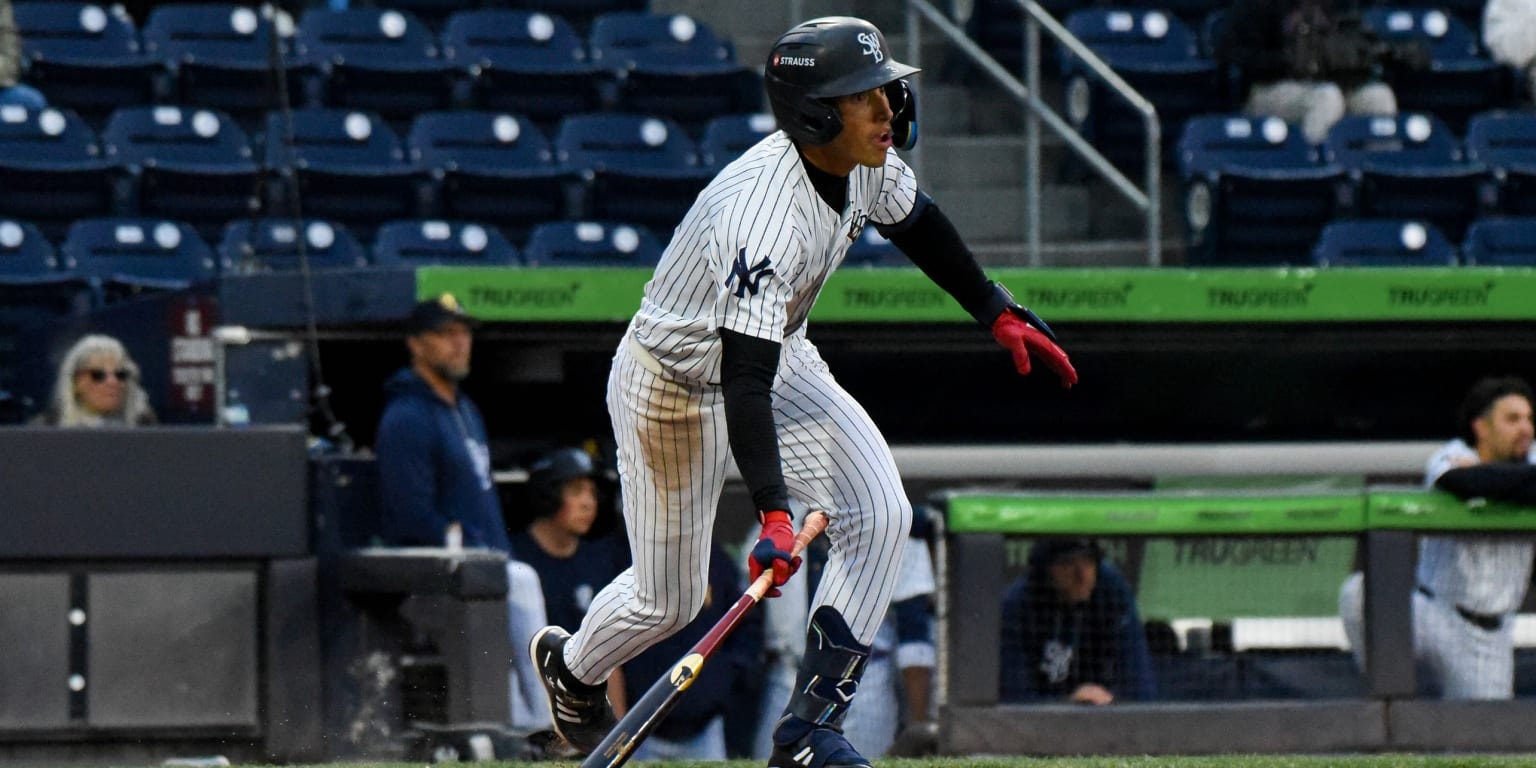
George Lombard Jr. makes a loud Triple-A statement as the Yankees keep betting on their top prospect
After a spring look that included Grapefruit League playing time, the Yankees’ highly regarded prospect carried that momentum into Triple-A, highlighted by a two-homer day for New York’s farm system blueprint.
The Yankees have long operated with a simple internal question, whether a prospect looks like he belongs when the competition gets more professional, more repeatable, and less forgiving. In late April, George Lombard Jr. answered it at Triple-A, delivering a performance that included two home runs in one game and a stretch of power that reinforced the organization’s faith in his bat.
The key context is that Lombard’s jump to Triple-A did not happen in a vacuum. This spring, New York gave him a chance during Grapefruit League action, a move consistent with how the organization tests its most promising players against higher-end pitching before deciding how quickly to accelerate their development. The Yankees’ willingness to provide that exposure suggests they saw maturity in both approach and physical readiness early, rather than treating him strictly as a long-term projection.
Triple-A, of course, is where those projections are forced to become habits. The level is full of players who have already been through major league camps, plus organizational depth that can execute pitches at a higher rate and punish mistakes faster. Against that environment, Lombard’s two-homer day stood out not only for the outcome, but for what it implies about timing and contact quality, especially for a prospect whose reputation is tied to his ability to hit for power.
According to MLB’s team report on Lombard, the production was also part of a brief window in which he homered in consecutive games, a detail that matters because it separates a one-off spike from a more stable pattern. Power that travels game to game is often the first real indicator that a hitter has adjusted to the pace, the sequencing, and the quality of breaking balls they will face at the higher levels of the minors.
For the Yankees, the decision to push their top prospect toward Triple-A at age 20 speaks to their broader development philosophy. They have routinely mixed patience with urgency, especially when a player’s profile includes both physical tools and early signs of advanced hitting behaviors. Promoting Lombard at that age also places him on a fast track inside a system that tends to emphasize readiness over timelines that are built only around service and experience.
Still, it is important not to overstate any single week of minor league baseball. Even the best prospects can have stretches of adjustment, particularly as opponents refine scouting reports and start to attack known tendencies. What matters next is whether Lombard’s power shows up against different pitching styles and whether his overall offensive profile stays productive beyond the headline home runs.
The practical question for the Yankees now is how this performance fits into the rest of their positional planning and the development of the hitters around him. If Lombard keeps demonstrating that his approach is durable at Triple-A, the organization will have more confidence that any future jump, whether later this season or sooner, is built on earned evidence rather than hope. For fans, the immediate watch is simple: can George Lombard Jr. continue to translate spring exposure into consistent production once the margin for error tightens again?
Why It Matters
- A strong Triple-A run is often the clearest near-term indicator that a prospect is close to major league-ready, not just major-league-talented.
- Consecutive-game power suggests more than a single hot moment and can accelerate internal confidence in the Yankees’ prospect timeline.
- The move helps the Yankees evaluate how Lombard’s hitting behaviors translate to advanced pitching and whether adjustments are already in place.
- For New York’s roster construction, progress like this can reshape the urgency and options they consider at the plate over the coming months.
- For the farm system, it reinforces the value of giving top hitters early spring exposure to pressure-test approach before promotions.
Key Facts
- The Yankees’ top prospect George Lombard Jr. delivered a two-homer day at Triple-A.
- The performance came after the organization provided Lombard playing time during Grapefruit League action earlier in the year.
- MLB reported Lombard homered in consecutive games during his Triple-A stretch.
- The Yankees pushed Lombard to Triple-A in late April at age 20.
- The development focus is on whether Lombard’s power and hitting approach hold up against higher-level minor league pitching.