
THE APEX TIMES
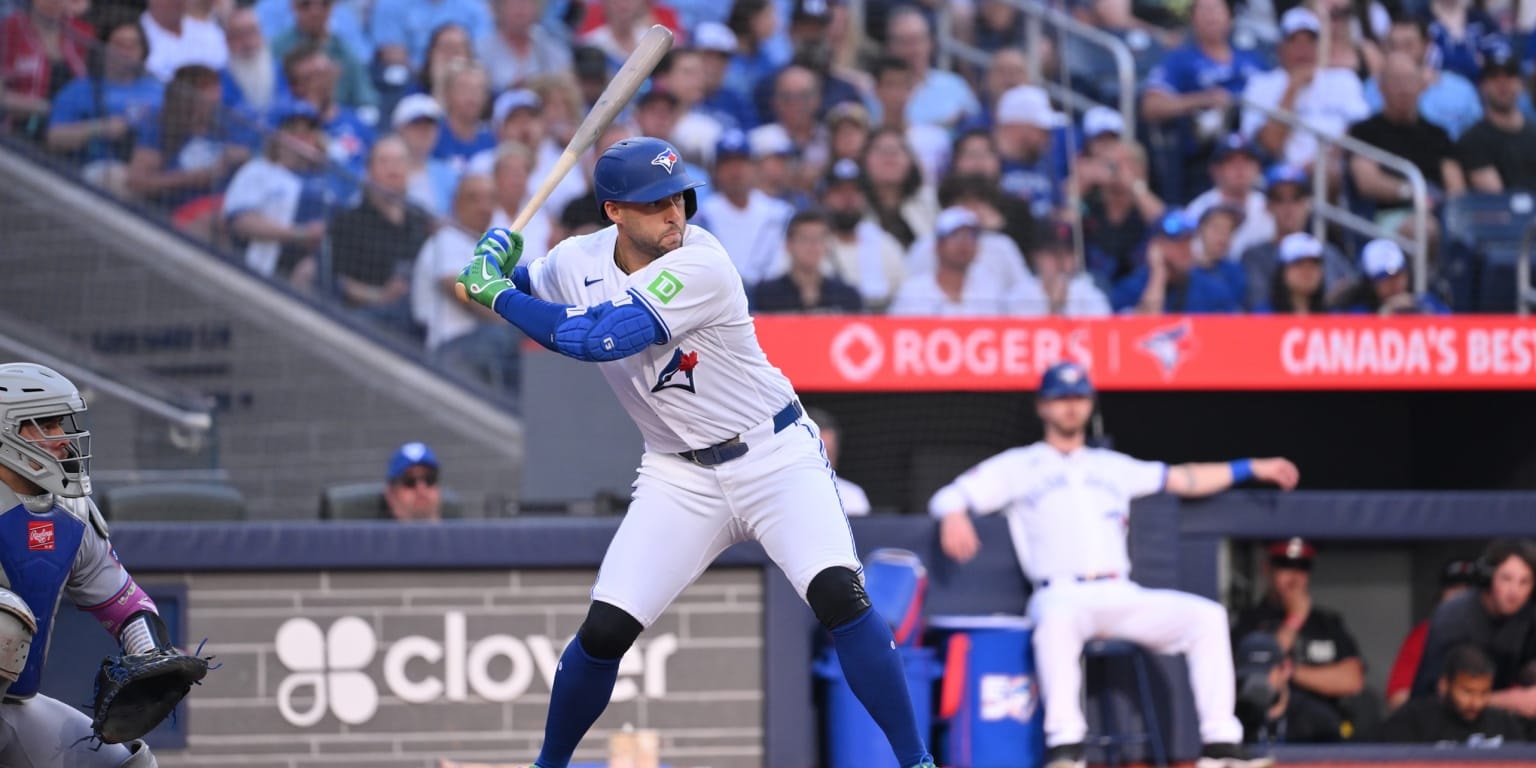
George Springer turns a bloop into a Little League home run as Blue Jays rally early vs. Mets
In the bottom of the first at Rogers Centre, Toronto’s leadoff hitter used raw speed and opportunism to turn what looked like a routine drop into a three-bagger-plus moment, with Juan Soto’s defensive presence helping the sequence stay alive.
Monday night’s game at Rogers Centre offered an old-school reminder that baseball is decided by what happens after contact, not just before it. George Springer, batting leadoff for the Blue Jays, was credited with turning a bloop ball into a full trip around the bases in the bottom of the first against the Mets.
According to MLB’s game report, the play began as a ball that should have stayed shallow, but the way Springer attacked it forced the issue. The early momentum mattered because it arrived immediately after the opening frame began, putting pressure on New York’s approach from the first look at Toronto’s lineup.
The report also credited Juan Soto’s involvement in keeping the moment from ending quickly. With Soto positioned in left, his defense helped set the stage for Springer to keep moving, extending what might otherwise have been a single or an end-of-the-inning outcome into something far more damaging.
This is the kind of hit-and-run problem that is hardest to defend because it is not just about athleticism at the plate. Springer’s decision-making on the bases turned a marginal ball into a clear scoring threat, and the Mets had to scramble to respond once the play continued beyond the “normal” distance of a bloop.
For Toronto, it reinforced the value of speed and alertness at the top of the order. When the leadoff spot produces extra bases early, it can shape the at-bats that follow, affecting how a pitcher attacks the middle of the lineup and how fielders hold their positioning.
For New York, it was a sharp reminder that even routine contact can become innings-long trouble when a defense does not get the first clean stop. When Soto’s defense created the opening for the extra bases, it also highlighted how one correct read in the outfield can be the difference between surviving a mis-hit and turning it into a multi-base swing.
The next thing to watch is whether Toronto’s early-base-running aggressiveness becomes a consistent theme against Mets pitching, and whether New York adjusts its defensive positioning and first-step execution on similar balls in the outfield gap and shallow left.
The play, as described in MLB’s report, is the kind of memorable “how did that keep going?” moment that can stick with fans even if other parts of the game are debated. For the Blue Jays, it was a spark from the leadoff spot that set the tone before the game had a chance to settle.
Why It Matters
- Early-inning extra damage changes how both teams play the rest of the game, especially when it comes from the leadoff spot.
- A bloop turning into a full-around-the-bases play emphasizes base-running aggressiveness and reads, not just contact quality.
- Juan Soto’s defensive involvement underscores the outfield’s impact on how long borderline balls stay live.
- For pitchers and fielders, plays like this can influence how they approach shallow balls and first steps on routine contact.
- Moments like this can be season-long talking points because they show how quickly a game can tilt after the first frame.
Key Facts
- The Blue Jays faced the Mets at Rogers Centre on Monday night.
- George Springer, Toronto’s leadoff hitter, turned a bloop in the bottom of the first into a home run-sized run.
- The decisive moment was described as Springer converting what should have been a short hit into a full trip around the bases.
- MLB’s report credited Juan Soto’s defense in left field as part of the play’s continuation.
- The home-run sequence occurred in the earliest inning of the game.
- The matchup took place in Toronto’s home ballpark, Rogers Centre.