
THE APEX TIMES
Georgia Bulldogs roll out new on-field sponsor, and the internet fixates on car insurance jokes
A new in-stadium branding deal for the Georgia Bulldogs has become an unexpected social-media topic, with fans and trolls focusing on the sponsor’s car-insurance angle amid years of national attention on the program’s off-field driving controversies.
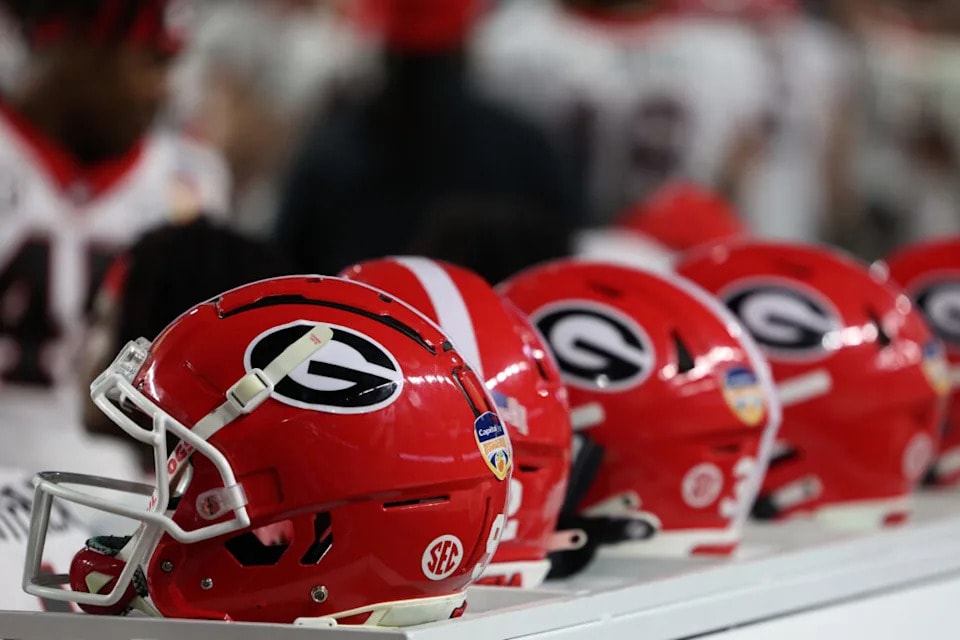
The Georgia Bulldogs have unveiled a new on-field sponsor, and it immediately sparked a predictable wave of internet jokes. According to Yahoo Sports, the sponsor is tied to car insurance, a detail that has drawn attention because the program has long been discussed in the national spotlight over dangerous-driving-related incidents involving members of the football program.
The reaction is less about anything that happened on a game field this week and more about the spotlight Georgia has attracted. Yahoo’s coverage frames the sponsor announcement as something that the public “seriously can’t make up,” pointing to the broader pattern of scrutiny directed at the Bulldogs when it comes to players and vehicle-related behavior.
College football programs frequently depend on sponsor exposure that runs through uniforms, stadium signage, and broadcast graphics. But in cases where a school’s brand has already become entangled with a sensitive off-field theme, new commercial messaging can land differently. In Georgia’s case, the sponsor category is one that the internet has been primed to interpret as a wink or a provocation rather than routine athletics marketing.
The key point for fans is that sponsorship announcements are usually administrative and branding decisions, not statements about conduct. Still, the timing and the type of advertiser can amplify existing public narratives, especially when an issue has been covered repeatedly over multiple seasons and seasons-long cycles of scrutiny.
What the Bulldogs and their partners likely want is straightforward: visibility inside one of college football’s most watched environments. What the broader conversation shows is that the internet often treats sports marketing as fair game for commentary, especially when the subject matter is cars and safety. In this case, the sponsor’s on-field presence becomes a catalyst for public debate about responsibility and accountability in the college-athlete spotlight.
For the team, the next practical question is how the program manages the tone around compliance and conduct in public-facing messaging. For Georgia supporters, the focus is also on how fans separate football branding from serious matters involving vehicle safety. If additional official information is released about the sponsorship, fan-facing reminders about conduct expectations, or university statements tied to the program’s safety policies, that would be the clearest path to understanding how Georgia intends to frame the relationship between athletics and off-field responsibility.
Why It Matters
- When a major program like Georgia adds in-stadium branding tied to car insurance, it can intensify public narratives that already exist around athlete conduct.
- The episode highlights how college football marketing decisions can become part of a broader off-field conversation, even when they are unrelated to any specific incident.
- How the university and athletics department communicate about safety, compliance, and expectations can shape public perception as the season approaches.
- The sponsor focus is likely to be a continuing social-media storyline unless there is official messaging that changes the frame from jokes to accountability.
Sources
Key Facts
- Georgia’s new on-field sponsor announcement has drawn heavy social-media attention centered on the sponsor’s car insurance theme.
- Yahoo Sports connected the sponsor’s theme to the Bulldogs’ history of being discussed nationally regarding dangerous driving violations involving football program members.
- The sponsor announcement is being treated by internet trolls as a joke because of the topic overlap with past scrutiny.
- Sponsorship exposure in college football typically includes stadium branding and other prominent in-game visibility.
- The coverage emphasizes public reaction more than any new incident.