
THE APEX TIMES
Georgia football faces a special-teams rebuild in 2026 after NFL departures
The Bulldogs are entering the 2026 season with a key change on the sideline and in the return and kicking phases, following the NFL exits of two special-teams contributors, Brett Thorson and Zachariah Branch.
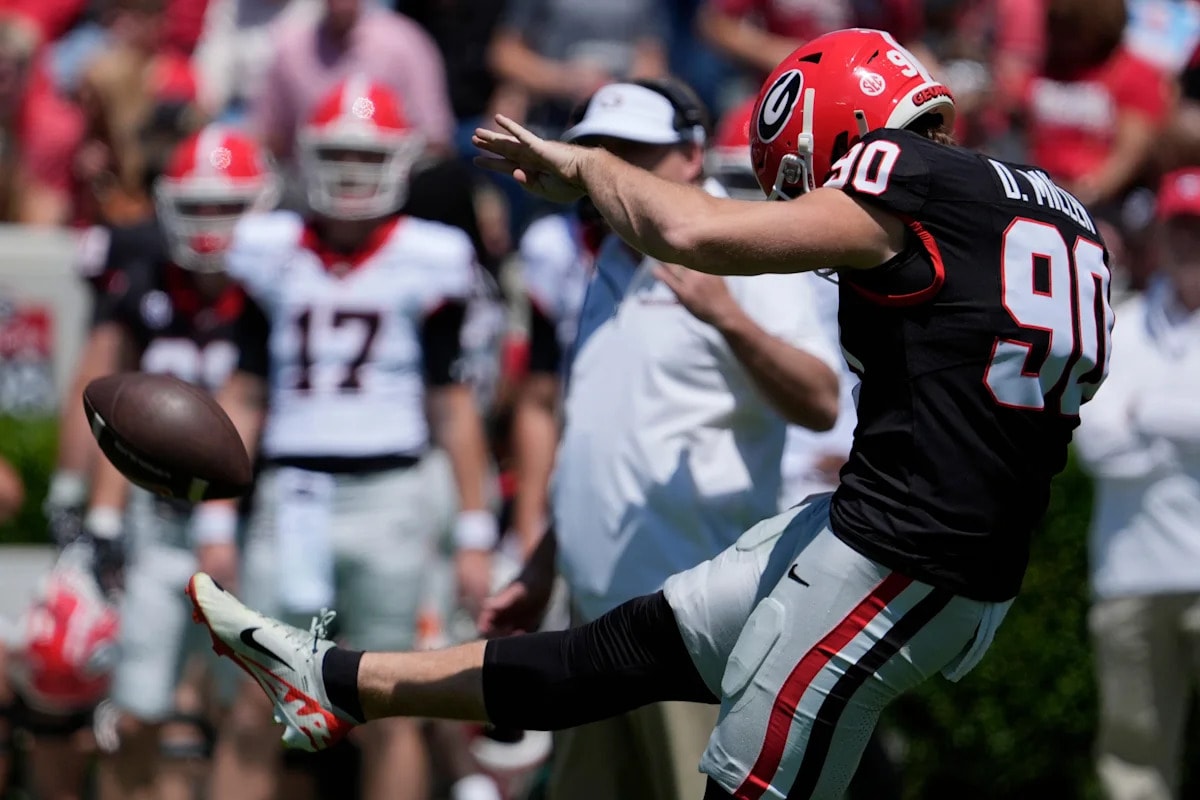
Georgia football’s 2026 preseason conversation has a familiar theme around Kirby Smart’s program, reload and retool, but this time the work sits in a specific unit. Special teams, often the margin in tight nonconference games and SEC matchups, is where the Bulldogs are trying to reset after losing key contributors to the NFL, punter Brett Thorson and returner/coverage standout Zachariah Branch.
Thorson and Branch represent two different special-teams lanes that tend to be hard to replace quickly. Thorson’s role in fielding and directing Georgia’s punting rhythm carries over to how opponents game-plan their returns, especially in the late downs where field position matters most. Branch, meanwhile, was tied to Georgia’s ability to create momentum through return and coverage phases, where speed, decision-making, and consistency show up on a weekly basis.
The urgency for Georgia is heightened by how special teams impact game management across a full season. A punt that lands inside the opponent’s scoring zone, a coverage tackle that prevents a return from turning into a long gain, or a well-timed return that flips field position can swing play-calling on both sides of the ball. When two familiar faces leave at once, the depth chart becomes a bigger storyline than it typically is in August.
Georgia’s approach, according to the way the topic has been framed heading into the new year, is to look for replacement-level production while also smoothing the learning curve for players new to prominent roles. That includes not only execution in live situations, but also timing on blocks, downing punts, and transitions between coverage and return responsibilities. In the SEC, where opponents are fast to adjust, those details become more important as the season progresses.
The preseason context for this kind of change is that Georgia is not unique in rebuilding special teams. The broader league landscape matters, because the talent cycle pushes schools to keep rotating specialists, and it also pressures coaching staffs to find dependable athletes who can absorb multiple roles. Even minor gaps in coordination can show up quickly once conference play begins and opponents become more precise.
For 2026, the practical questions for Georgia are straightforward. Who handles punting consistently under game pressure. Which roster spots absorb the coverage workload and maintain tackle discipline in space. And who, if anyone, can replicate the impact Branch provided on returns and related phases. How those answers come into focus during preseason work and early-season games will shape how fans and analysts evaluate Georgia’s margins in close contests.
The bigger takeaway is that Georgia’s football identity is often described through offense and defense, but in 2026 the program’s “next man up” reality is centered on special teams. When the Bulldogs get those units settled, it can stabilize the entire weekly routine. When they do not, it can turn small field-position swings into recurring issues that opponents can exploit.
Why It Matters
- Special teams can influence field position and momentum, which often decides close games in the SEC.
- Replacing both a punting contributor and a return/coverage contributor at the same time increases the coordination challenge for a young depth chart.
- Georgia’s ability to stabilize punts, coverage, and returns early can affect how the Bulldogs manage opponents’ big-play opportunities.
Key Facts
- Georgia football is entering the 2026 season with special-teams turnover.
- The departures to the NFL cited are punter Brett Thorson and Zachariah Branch.
- The article frames the season as a period of change specifically for Georgia’s special teams.
- The piece ties the timing of the reset to broader preseason All-SEC team discussion from one year to the next.