
THE APEX TIMES
Ger Schwedes, Syracuse standout and WWII survivor, dies at 88
The College Football Hall of Famer, who overcame Nazi bombings during World War II and later became a key piece of Syracuse football’s championship legacy, died Aug. 23 at home in Fayetteville, New York.
Gerhard H. “Ger” Schwedes, a College Football Hall of Famer whose life included surviving Nazi bombings during World War II, died Aug. 23 at his home in Fayetteville, New York. He was 88. Schwedes was remembered not just for endurance off the field, but for a rare combination of athletic versatility and high-impact play that made him a standout at Syracuse University and later in the pro ranks.
At Syracuse, Schwedes became known as a talented, multi-position star whose contributions helped shape the program’s defining era. The late Hall of Famer was cited as a player who helped lead the Orange to their only national football championship, a benchmark achievement that remains central to how Syracuse football history is told.
His versatility mattered in an era when players were often asked to do more than specialize. Yahoo Sports described Schwedes as a “talented multi-position star,” a label that fits the way his career is typically discussed, both for how he operated at the college level and for why professional teams would value his ability to contribute in different roles.
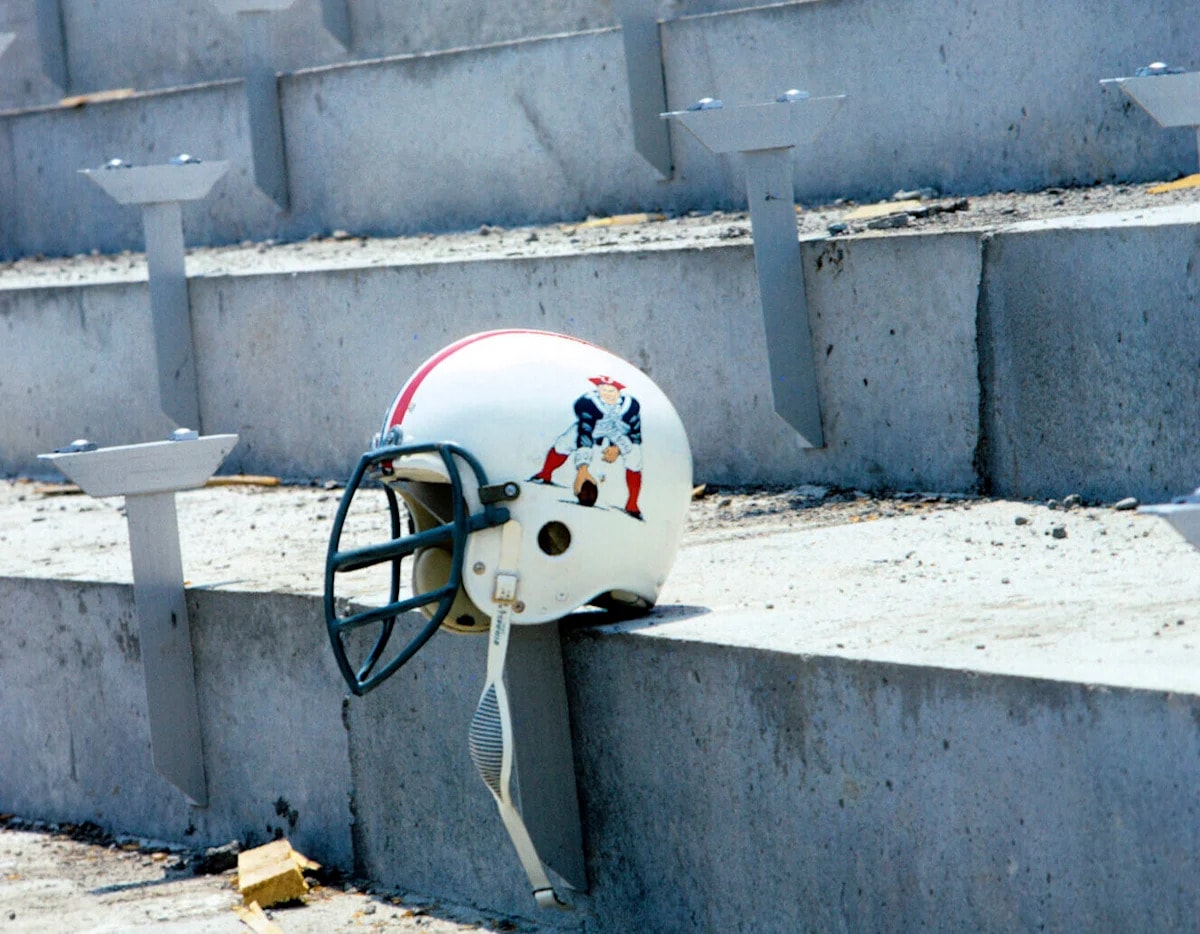
Schwedes also reached the NFL with New England, appearing on the inaugural Patriots roster. That fact places him in the earliest chapter of a franchise that would grow into one of the league’s most enduring brands. Even without detailing his pro statistical impact, the roster membership itself underscores the transitional nature of his career, moving from a championship college program to the formation of a new pro team.
The personal story behind his football accomplishments carries equal weight. Yahoo Sports reported that he survived Nazi bombings in World War II, a background that framed Schwedes’ later achievements. In retrospective accounts of athletes from that generation, survival and perseverance often become inseparable from athletic legacy, and Schwedes’ Hall of Fame recognition reflects both what he accomplished and what it cost him to get there.
For Syracuse, Schwedes’ death is another reminder of how much of the program’s identity is tied to a small set of figures from its championship run. For football fans, the passing of a player associated with both a national title and the early Patriots highlights a deeper link between college football’s historical peaks and the sport’s long continuity into the modern era.
What to watch next is how Syracuse and the College Football Hall of Fame formally honor Schwedes’ memory, including the way they place his WWII experience alongside his on-field contributions. His legacy is likely to be revisited during the upcoming college season and in the context of how past national champions continue to influence program storytelling today.
Why It Matters
- Schwedes’ death marks the passing of a figure tied to Syracuse’s only national football championship, keeping that championship legacy in public focus.
- As a player associated with the early New England Patriots roster, his career connects college football’s historic peaks to the franchise’s foundation era.
- His WWII survival story adds perspective to how athletes of his generation carried extraordinary off-field experiences into the sport’s mainstream spotlight.
- His Hall of Fame status ensures his name remains part of the sport’s institutional memory, beyond team-specific nostalgia.
Key Facts
- Gerhard H. “Ger” Schwedes died Aug. 23 at his home in Fayetteville, New York, at age 88.
- Schwedes was a College Football Hall of Famer.
- Yahoo Sports described him as a Syracuse University standout and a multi-position star.
- Yahoo Sports reported that he helped lead Syracuse to its only national football championship.
- Schwedes was on the inaugural Patriots roster.
- Yahoo Sports also reported that he survived Nazi bombings during World War II.