
THE APEX TIMES
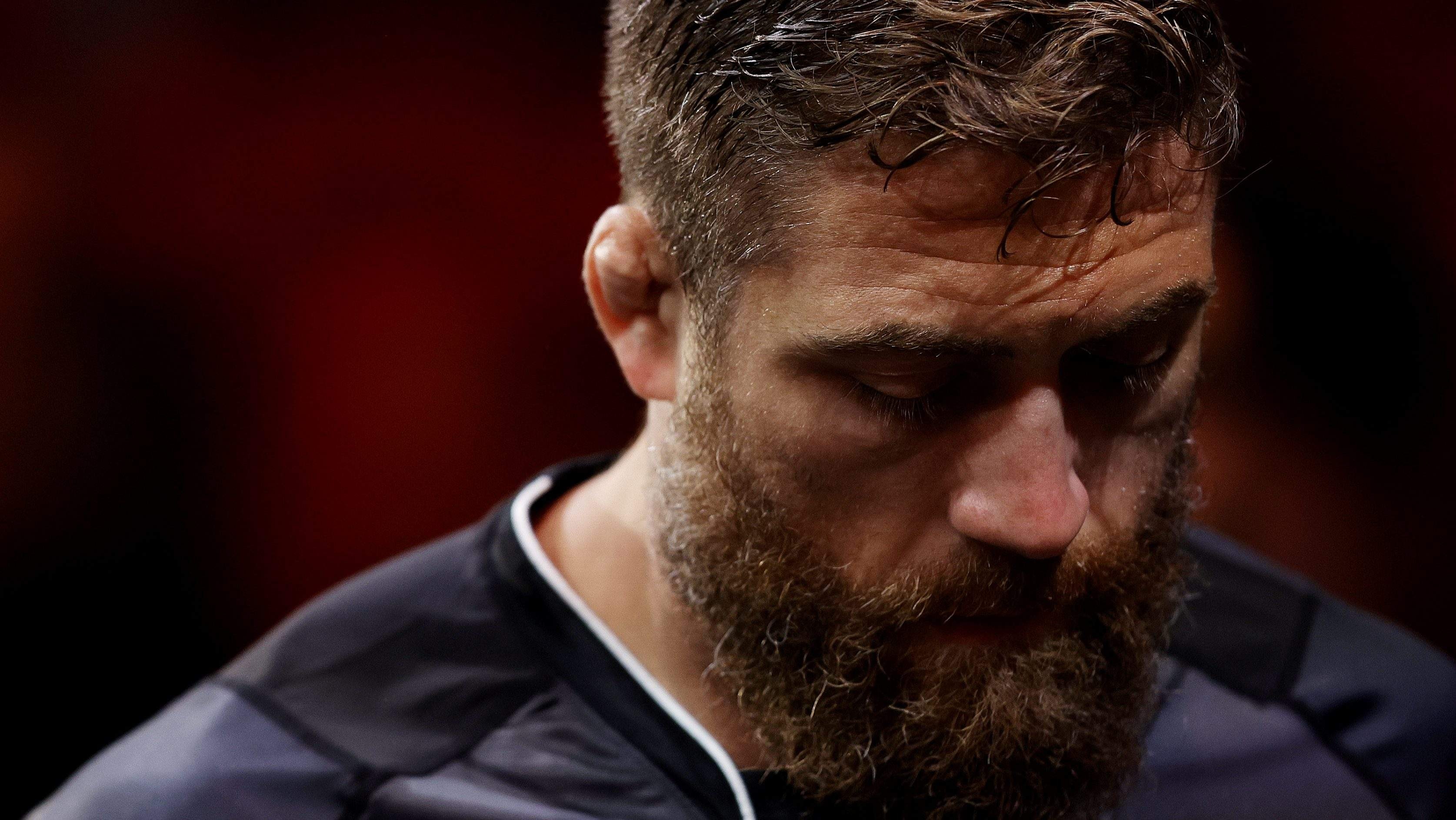
Gerald Meerschaert explains why he chose to retire after a final UFC run
After a 60-fight UFC career ended at UFC Vegas 122, the longtime veteran said his decision was driven by more than one outcome, stepping away in the aftermath of his loss to Julius Walker.
Gerald Meerschaert’s second-round finish loss at UFC Vegas 122 was not just the end of a bout, it was the end of his UFC career. In the featured preliminary card matchup against Julius Walker, Meerschaert was stopped via TKO in the second round. After removing his gloves, he told UFC commentator Michael Bisping that he was retiring from the sport.
The 38-year-old Meerschaert framed the moment as a personal decision rather than a sudden reaction. The report describes him as a “long-time UFC veteran,” and characterizes his career as spanning 60 mixed martial arts fights in total. The decision to walk away, as he presented it on the night of his retirement, underscored how fighters with long UFC tenure often weigh cumulative wear, preparation cycles, and how they want their careers to end.
Meerschaert’s UFC run included a reputation built on durability and willingness to fight through the grind of a stacked division. Even without a final statistical breakdown in the account, the outline of his career length is the key context here. Sixty total pro fights is the kind of body of work that typically means years of camps, recurring medical evaluations, and a constant balancing act between performance and long-term health. The bout result served as the visible punctuation mark, while his in-cage remarks gave the explanation that retirement had already become the plan.
UFC Vegas 122 itself added a familiar arc to the card. It was a featured preliminary setting where fighters often earn opportunities for bigger stages, but veterans can also seize the platform to close chapters. With Meerschaert stepping away immediately after the loss, the storyline shifted from the immediate competitive outcome to the broader question of what comes next for a fighter who has been a constant presence for so long.
In retirement terms, Meerschaert’s timing matters because it leaves the UFC with an experienced skill set that fans have come to associate with his style. Fighters of his tenure often serve as benchmarks for younger opponents, and their departures can subtly change the competitive texture of a division, especially when matchups rely on a familiar mix of grappling and stand-up exchanges.
There is also a broader human element to watch going forward. When a veteran announces retirement in the Octagon right after a defeat, it can shape how the UFC and its athletes think about the transition from competing to other roles, such as coaching, gym ownership, or media work. Meerschaert’s decision could become a reference point for other long-tenured fighters deciding when to stop.
For fans, the next thing to monitor is how the UFC handles the wake of his retirement. Whether it affects matchup possibilities for opponents who might have been penciled in for a future bout, and whether Meerschaert remains connected to the sport in another capacity, are the practical follow-ups. In the short term, the UFC Vegas 122 finish and his immediate announcement ensure that his final UFC moment will be remembered as much for the announcement as for the stoppage itself.
Why It Matters
- Meerschaert’s retirement removes a long-tenured veteran from UFC rosters and changes the experience level available in future matchmaking.
- The timing of the decision, delivered immediately after a defeat, highlights how fighters evaluate career longevity beyond a single result.
- Veterans leaving the promotion often open up opportunities for newer opponents to fill roles once occupied by steady, durable UFC performers.
Sources
Key Facts
- Gerald Meerschaert retired from the UFC after his fight at UFC Vegas 122.
- Meerschaert lost to Julius Walker by second-round TKO in a featured preliminary bout.
- After the loss, Meerschaert removed his gloves and told UFC commentator Michael Bisping he was retiring.
- The report describes Meerschaert as a long-time UFC veteran and cites a 60-fight mixed martial arts career.
- Meerschaert was 38 years old at the time of the retirement announcement.