
THE APEX TIMES
Giants partnership with Kalshi puts spotlight on baseball’s widening ties to gambling markets
San Francisco’s reported move to work with Kalshi has reignited debate about sports leagues and teams leaning into prediction markets, even as MLB has tried to manage the risks and optics of gambling.
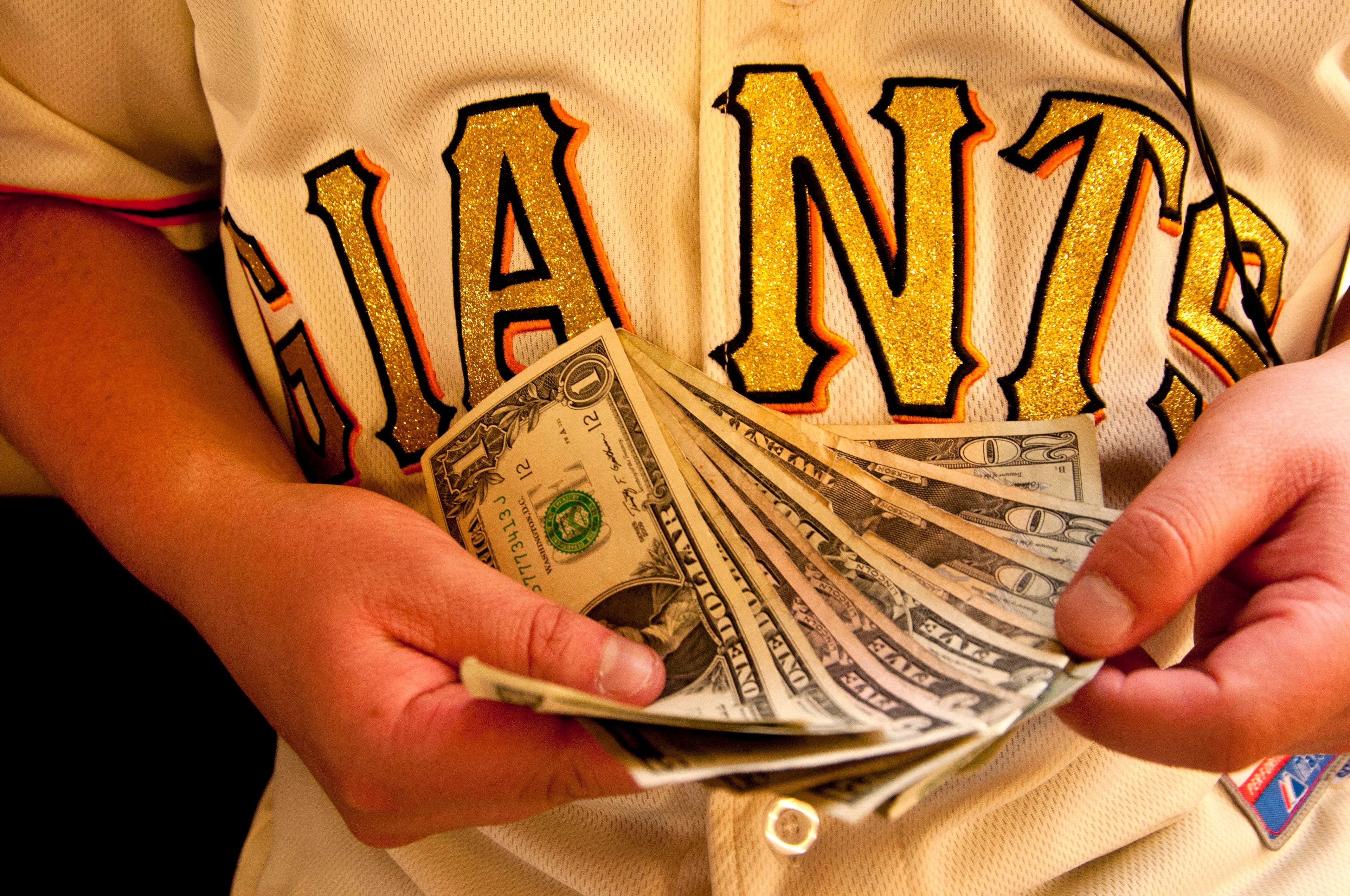
San Francisco’s reported partnership with Kalshi has become one of the most visible examples yet of how quickly gambling-adjacent technology is entering major-league sports. In a piece published Tuesday, Yahoo Sports criticized the Giants for what it described as a pattern of choices that further integrate the franchise into the prediction-market ecosystem, positioning the move as a new flashpoint in an already sensitive area for MLB.
Kalshi is best known for running a form of prediction market where people trade contracts tied to real-world outcomes. When major sports organizations interact with these markets, it tends to raise two immediate questions for fans and regulators alike: whether the relationship undermines the culture of fair play, and whether it creates additional channels for betting influence to bleed into how sports are consumed.
The Giants’ reported decision matters beyond the optics because it speaks to MLB’s long-running attempt to balance modern revenue opportunities with public trust. Gambling is already a major part of the sports economy in the United States, but teams and leagues still face pressure to keep advertising, fan engagement, and competitive integrity concerns from crossing lines. MLB has previously set expectations around data use, promotion, and the handling of betting-related risks, and that framework is exactly what many critics point to when they say the market is moving faster than the guardrails.
Yahoo Sports’ framing is notably blunt, using strong language to characterize the franchise’s approach. While editorial tone does not establish facts by itself, the central claim in the reporting is clear: the Giants are associated with Kalshi in a way that brings the prediction-market brand closer to the team’s fanbase. That alone is enough to shift the discussion from abstract policy to an immediate, team-level engagement decision.
There is also a practical dimension. Prediction markets reward participants for collecting information and reacting quickly to changes in conditions, which can range from lineups to in-game momentum. That creates a different behavioral pull than traditional sports betting because participants are incentivized to update their beliefs continuously, sometimes around granular developments. Supporters argue that prediction markets can operate like analytics, reflecting what the public expects, while opponents worry about whether the feedback loop makes it harder to keep sports viewing separate from wagering behaviors.
For the Giants, the broader consequence is reputational as much as competitive. Even if no on-field advantage is created by a partnership, fans may interpret the move as a report that the franchise prioritizes modern monetization and engagement tools over the traditional posture that baseball holds regarding gambling. For MLB, the partnership also becomes another test of how consistently league-wide standards and team-level initiatives align in public perception.
What to watch next is whether additional official confirmation details accompany the relationship, including how it is marketed to fans and what exact product features are involved. The next question will be how MLB and team partners describe any integrity safeguards and whether they publish specific guidance on how prediction-market engagement is supposed to coexist with competition-focused norms. Until those details are clear, the Giants’ connection to Kalshi will likely remain less a settled transaction and more a continuing debate about the future of baseball fandom.
Why It Matters
- A team-level partnership with a prediction-market operator can change how fans perceive MLB’s relationship to wagering ecosystems.
- Prediction markets can encourage faster, more frequent information updates, which may heighten concerns about betting influence and integrity narratives.
- The Giants’ choice may shape how other MLB clubs weigh monetization opportunities against reputational risk.
Key Facts
- Yahoo Sports reported that the San Francisco Giants have partnered with Kalshi.
- The article’s argument is that the partnership deepens the Giants’ connection to prediction markets and intensifies criticism from fans.
- Kalshi is associated with prediction-market products tied to real-world outcomes.
- The story highlights ongoing tensions between mainstream sports engagement and the integrity and optics concerns around gambling-adjacent markets.