
THE APEX TIMES
Giants’ sack leadership since 1982: Lawrence Taylor and George Martin share the 1983 mark
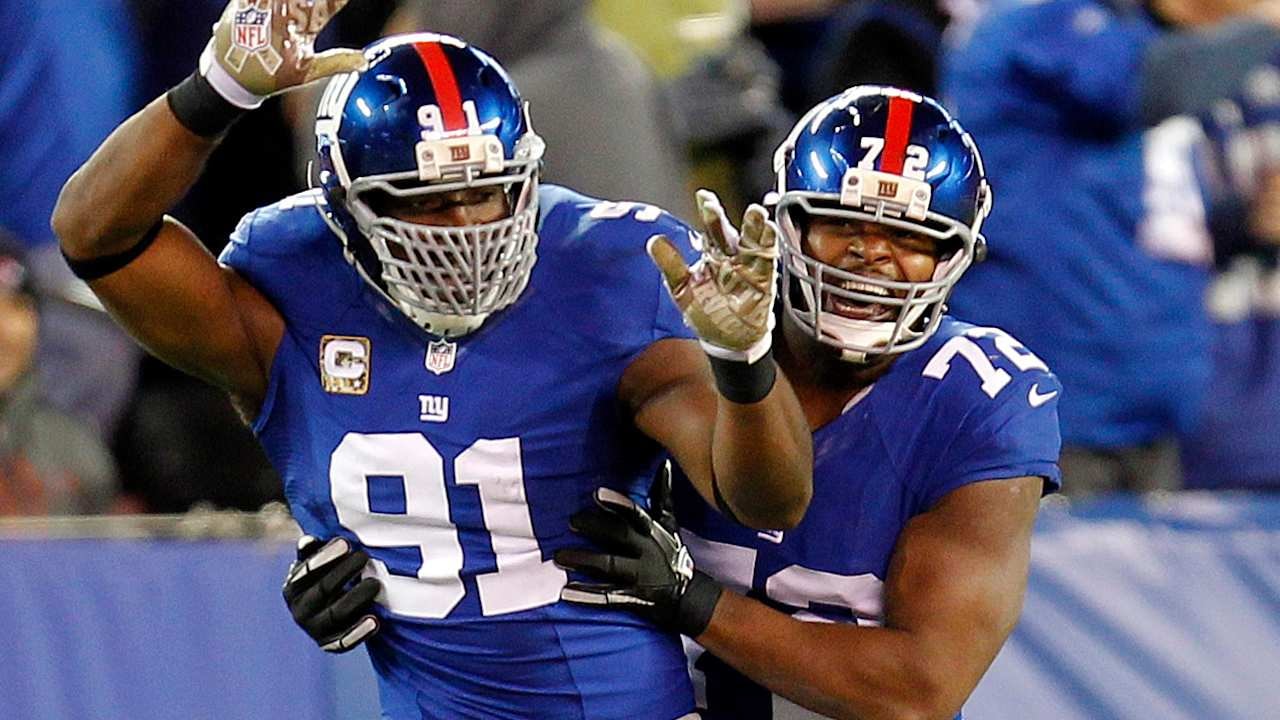
New York’s team history of season sack leaders goes back to the year sacks became an official NFL statistic. In 1983, a young edge-rushing Lawrence Taylor tied George Martin for the franchise lead with nine sacks.
The New York Giants have tracked their yearly sack leaders for more than four decades, and the pattern tells a simple story about the franchise identity. From the first season sacks became an official NFL statistic in 1982, the Giants’ most disruptive defensive performances often arrive through the same lens, one player chasing the quarterback until the numbers justify the effort.
That context is built into a historical gallery, which lists each Giants season sack leader since 1982. One season stands out early in the franchise archive: 1983 ended in a tie, with Lawrence Taylor and George Martin both leading the team with nine sacks. It is a small number by modern standards, but it anchors the Giants’ pass-rush history in the exact moment the sack stat became part of the league’s formal recordkeeping.
The significance of that 1983 tie goes beyond trivia. Taylor’s early emergence matters because the Giants were in the process of becoming a team built to win in the trenches, and sacks are the most direct statistical output of that strategy. In an era when quarterbacks were still learning how offenses would adjust, a nine-sack team leader represented a consistent threat, not just a one-off flash.
George Martin’s presence in the same season also reflects how the Giants’ defensive emphasis did not rest on a single name. Martin, long recognized as a foundational figure in New York’s front line, paired with Taylor’s rise to show that the Giants could generate pressure from multiple spots along the edge and inside-out. The franchise’s sack-leader lists are a reminder that “dominance” in pass rushing is often built across personnel, not just drafted stardom.
As the years moved forward, the Giants’ sack leadership would rotate through different skill sets, but the purpose stayed the same: create long-yardage situations and force uncomfortable decisions in the pocket. The sack leader in any given season typically becomes the player opponents game-plan for, because teams can’t ignore the quarterback disruption when it shows up consistently across downs.
That theme remains relevant when looking at the current era. In a recent statistical breakdown, Brian Burns was described as having a career-high pace with an entry number of 13.0 sacks and a path noted toward a rare 20-sack Giants season. The same article also placed those targets in franchise context, recalling that Michael Strahan set the NFL single-season record with 22.5 in 2001, while Lawrence Taylor had 20.5 in 1986. Put another way, the Giants’ sack leadership timeline links the 1980s breakthrough to later franchise milestones, and it helps explain why the sack number still functions as a shorthand for pass-rush ceiling.
What to watch next is how the Giants sustain sack production at the team level. A season sack leader is a useful indicator, but the deeper question is whether the pressure is repeatable, whether scheme and personnel adjustments keep producing clean lanes to the quarterback, and whether that production comes with the discipline to limit the opponent’s ability to neutralize the rush.
For readers using the sack-leader gallery as a reference, the most important caveat is that sack totals are shaped by era. Quarterback styles, offensive tendencies, and even how pass attempts are distributed across a schedule can all influence the numbers. Still, the 1983 tie between Taylor and Martin with nine sacks captures the early logic of the Giants’ defensive philosophy the moment sacks became official, and it remains a key thread running through the franchise’s defensive history.
Why It Matters
- Sack totals are the most direct measure of pass-rush impact, and the Giants’ yearly leaders highlight how New York builds its defensive identity.
- A franchise sack leader often becomes a focal point for opponents’ protection schemes, shaping game plans week to week.
- The Giants’ recordkeeping since 1982 offers a consistent historical framework, even though sack totals vary by era.
- Connecting early sack milestones like the Taylor/Martin 1983 tie to later peaks helps explain why the Giants still treat the pass rush as a core roster standard.
Sources
Key Facts
- published a franchise history of season sack leaders for every year since 1982, when sacks became an official NFL statistic.
- In 1983, Lawrence Taylor and George Martin tied as the Giants’ season sack leaders with nine sacks.
- The Giants’ sack-leader list is designed to identify who produced the most quarterback pressure for New York in each season since 1982.
- ’s statistical previews have placed current sack milestones in franchise context, including reminders of Michael Strahan’s 22.5-sack NFL-record season and Lawrence Taylor’s 20.5-sack 1986 season.
- Recent coverage has also discussed Brian Burns reaching a career-high pace toward a rare 20-sack Giants season.