
THE APEX TIMES
Gillian Robertson says she doubts weight behind Din Thomas apology after UFC 330 remarks
The UFC fighter addressed her former coach’s post-fight comments and response, saying she is not convinced by his apology and underscoring how quickly reputations, relationships, and trust can unravel in MMA.
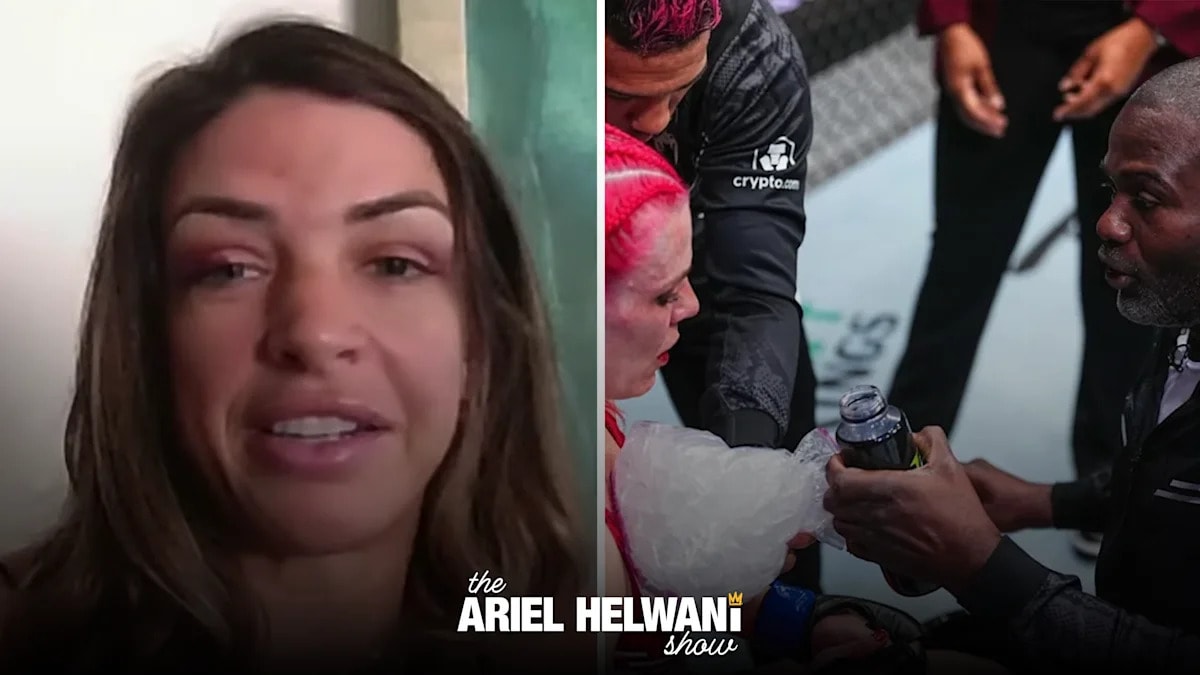
Gillian Robertson says she is not giving much credence to an apology from her coach, Din Thomas, after the pair’s fallout played out in public following UFC 330. In an exclusive statement to Uncrowned, Robertson responded to Thomas’ remarks after a controversial moment that sparked criticism across the sport and forced the conversation into the spotlight beyond the cage.
Robertson’s central point was that the apology did not land with her. While Thomas publicly offered a form of acknowledgment, Robertson characterized his apology as lacking substance, telling Uncrowned that there is “not much weight” in it. The comment reframed the dispute from a post-fight heat-of-the-moment incident into a longer-running question about accountability, sincerity, and what the apology means to the person directly affected.
The timing is significant. UFC 330, like other major numbered pay-per-view events, magnifies everything that happens inside and around the Octagon, turning personal conflict into a mainstream story. When coaches speak in the aftermath of fights, their words can shape how the public interprets a fighter’s performance, preparation, and even character. In this case, Robertson is effectively disputing the narrative that Thomas’ apology attempted to reset.
This dispute also highlights the unusual visibility of MMA coaching. Din Thomas is widely recognized in the sport as a veteran trainer, and when a high-profile coach’s conduct becomes part of the story, athletes often have to weigh silence against speaking up, especially when public pressure grows. Robertson’s decision to respond suggests she believes the record needs to reflect her perspective rather than rely on a coach’s explanation alone.
For fans and observers, the practical impact may show up in how athletes and gyms navigate training relationships in the future. Even when fighters maintain their routine and professionalism, public disputes can influence trust within camps, how fighters evaluate guidance, and how teammates and promotion partners perceive the culture around a given training group. Robertson’s comments do not settle the issue, but they do make clear that, at least from her standpoint, the apology did not resolve the underlying concern.
There is still an open question about what comes next for both parties. Robertson’s statement, as reported by Yahoo Sports, does not spell out additional steps, such as any formal separation, legal action, or further public exchanges. Without more primary documentation or official statements from all sides, the audience is left with two competing narratives: Thomas offering an apology, and Robertson dismissing its impact.
What to watch next is whether Robertson’s position prompts broader responses from others close to the camp and whether the sport’s governing media ecosystem revisits the incident as more information emerges. In MMA, reconciliation sometimes plays out privately, but when the public record already includes controversy, the fighter’s silence or speech can be just as consequential as the next fight itself.
Robertson’s remarks land on a day when the UFC’s calendar and public attention are always moving to the next headline. Still, this story’s center of gravity is not performance metrics, it is relationships and credibility in a discipline that runs on preparation, trust, and clear communication between athlete and corner.
Why It Matters
- Coach-fighter accountability is increasingly scrutinized in MMA, and Robertson’s response keeps the focus on whether public apologies translate into real credibility.
- The UFC’s high-visibility post-fight moment can magnify personal disputes, shaping public perception of both coaches and fighters.
- If trust issues linger, they can affect future training dynamics, corner communication, and how athletes assess guidance from high-profile coaches.
- Public disagreements like this can influence how camps manage reputation risks, especially when coaches are known figures with large platforms.
Sources
Key Facts
- Gillian Robertson addressed Din Thomas’ apology after controversial post-fight remarks connected to UFC 330.
- Robertson said she is not giving “much weight” to Thomas’ apology, according to an exclusive statement reported by Yahoo Sports.
- The comments were part of a dispute that moved beyond private training circles into broader public discussion after a major UFC pay-per-view event.
- Robertson’s statement was delivered to Uncrowned, as described in the Yahoo Sports report.
- No additional official resolution or next-step actions were detailed in the report beyond Robertson’s assessment of the apology.