
THE APEX TIMES
Detroit’s second baseman is sidelined again with a left oblique issue, less than two weeks after being activated following a prior month-long absence.
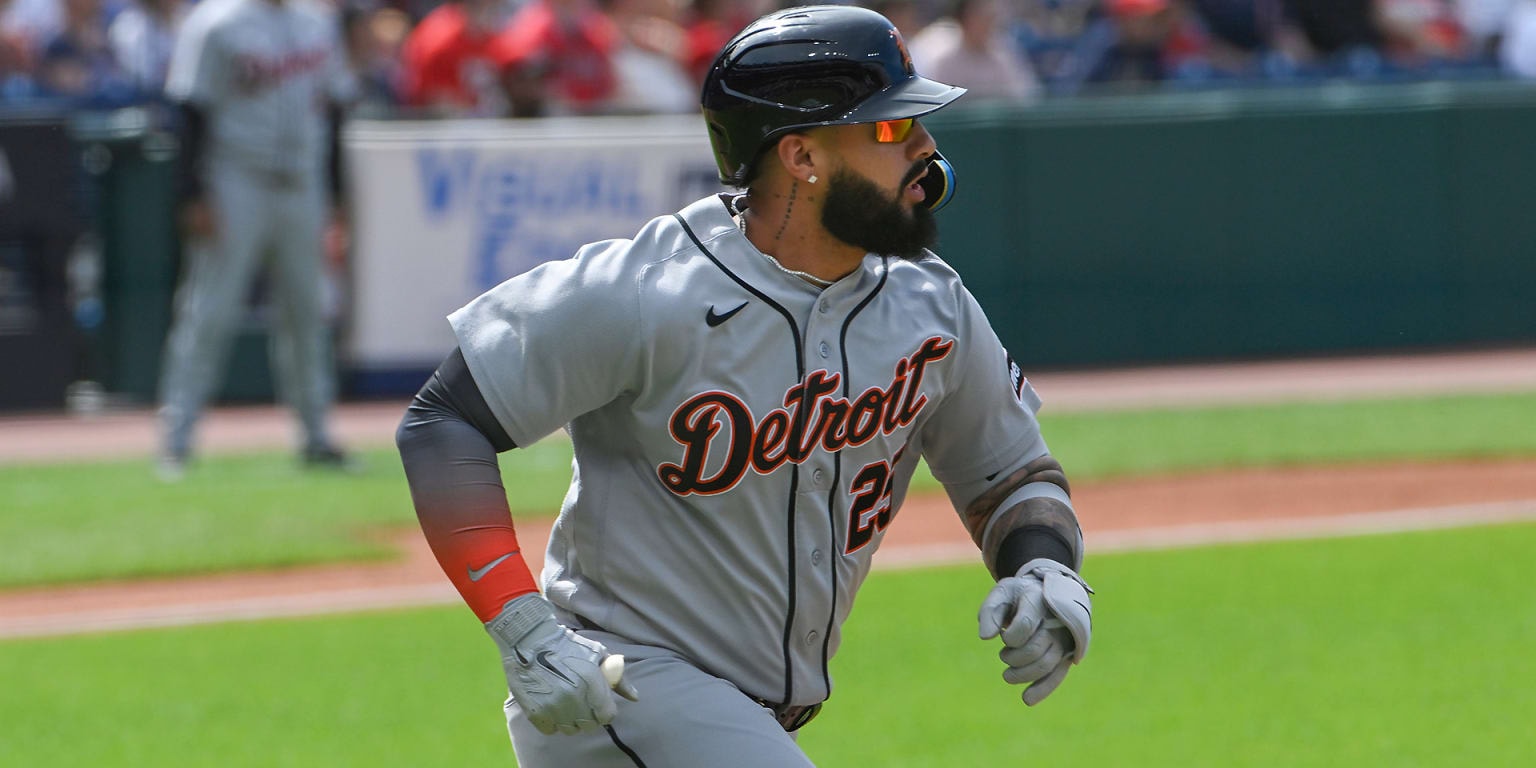
Detroit Tigers second baseman Gleyber Torres is headed back to the injured list with another left oblique strain, a setback that arrives shortly after his most recent return from the same type of injury. The move was made Wednesday and is retroactive to Tuesday, according to an MLB transaction notice tied to the team’s reporting from Houston.
Torres’ latest IL placement underscores how disruptive oblique injuries can be for infielders, not just because of the initial soreness, but because the muscle group is central to both batting mechanics and rotational movements required for throwing. The team’s update frames this as a recurrence, with the left oblique “bothering” him anew, and it marks the second strain in that area.
This is not the first time Torres has dealt with the problem this season. The Tigers activated him from the IL only about two weeks earlier, after he had missed a month with the same injury. Now, with the oblique flaring again, he faces additional downtime and time spent trying to stabilize his conditioning and swing readiness before he can return to full game workload.
As a regular presence in the Tigers’ middle infield mix, the timing matters. When a player stays sidelined across a return-and-recover cycle, the team must reshuffle at second base and across the infield, using other options to cover innings and reps while also managing lineup balance from day to day.
The Tigers’ roster decisions in the coming days will likely be shaped by the length of this latest IL stint and by how quickly Torres can progress through whatever rehab and strengthening steps are required for oblique recovery. Clubs typically treat oblique strains with caution because re-aggravations can follow premature increases in intensity, especially once batting practice and live at-bats resume.
For Torres, this also adds uncertainty to his near-term availability. Even when an injury is not season-ending, repeated oblique issues can make it harder to build consistent at-bats and rhythm, which can affect timing, power output, and defensive range if the player returns before feeling fully stable in the torso area.
What to watch next is whether the Tigers provide a clearer window for his progression beyond the IL designation, including how he responds to rehabilitation and whether the team can maintain steadier coverage at second base in his absence. A smooth recovery would offer the most important report that this recurrence is contained, but another setback would prolong the ripple effects across Detroit’s lineup and defensive alignment.