
THE APEX TIMES
Golden Knights’ comeback attempt falls short after costly first-period collapse in 4-2 loss to Wild
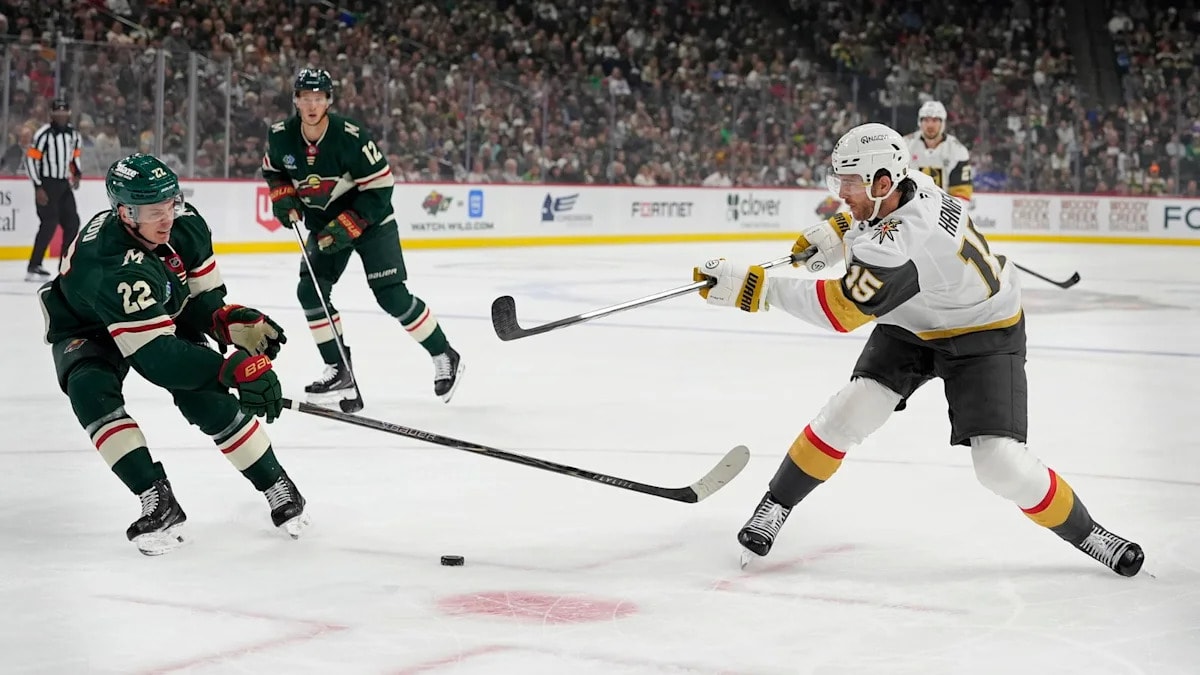
Vegas scored twice to pull within striking distance, but a six-minute first-period stretch proved too costly as the Minnesota Wild held on for a 4-2 win. Coach Ryan Craig pointed to execution and composure as the difference.
The Vegas Golden Knights’ bid to turn momentum into a full comeback against the Minnesota Wild ended in a 4-2 loss, with one short window in the opening period doing the most damage. According to the report, a disastrous six-minute stretch early in the game flipped the tone from promising start to urgent scramble, leaving Vegas to chase from behind rather than set the terms of play.
Even with the early deficit, the Golden Knights responded with the kind of offensive punch that can erase mistakes quickly in the NHL. Rasmus Andersson scored to give Vegas a chance to settle back into the flow, and William Karlsson added another goal as the game tightened. Those strikes suggested the Knights were capable of manufacturing scoring chances even after Minnesota’s early separation.
But the comeback ran out of room. The report indicates Vegas was unable to complete its rally, and that failure was tied to the same theme that surfaced during the postgame discussion: execution and composure. Coach Ryan Craig’s comments, as summarized, framed the issue less as effort and more as what happens when a team loses discipline for even a few shifts and then has to navigate the emotional rebound.
For Vegas, this kind of game matters because the NHL punishes lapses immediately. When a deficit is created in a tight span, teams often end up taking riskier routes to offense, which can invite more defensive breakdowns or turn momentum back to the opponent. The Golden Knights still found a way to put the score within reach, but the report’s emphasis on a “costly” lapse suggests the gap was never fully closing.
Minnesota, meanwhile, benefited from a situation that looked briefly in doubt. By holding onto the lead long enough for Vegas to score, the Wild protected the hard part of the night, the transition from defending in bursts to defending for the full stretch. The final score of 4-2 reflects that Vegas was in the fight late, but not in position to finish it.
What to watch next for the Golden Knights is how they respond to the pattern the report highlights: a promising start followed by a short collapse that forces the rest of the game into a reactive mode. If Vegas can tighten the first-period decision-making and keep composure during high-pressure sequences, their ability to come back from deficits should become more than an occasional outcome.
For the Wild, the takeaway is the value of converting a brief advantage into a full game result. After establishing separation during that six-minute stretch, Minnesota’s job became managing the response, and the report indicates Vegas never made the rally stick. That is the kind of game that can define confidence, particularly when an opponent has demonstrated it can score and change the scoreboard quickly.
Why It Matters
- A six-minute collapse is often the difference between winning and losing in the NHL, even when a team scores multiple times.
- Vegas demonstrated it can get back into games, but the inability to finish once it got within range points to the need for steadier stretches.
- Minnesota’s ability to protect a lead after allowing goals highlights the importance of game management when momentum swings.
- For both teams, the outcome reinforces how early-period discipline and late-game composure can shape results quickly.
Sources
Key Facts
- The Minnesota Wild defeated the Vegas Golden Knights 4-2.
- The report attributes Vegas’s trouble to a six-minute first-period stretch.
- Vegas received goals from Rasmus Andersson and William Karlsson.
- Vegas attempted a comeback but could not complete it.
- Coach Ryan Craig described the lapse as costly in terms of execution and composure.