
THE APEX TIMES
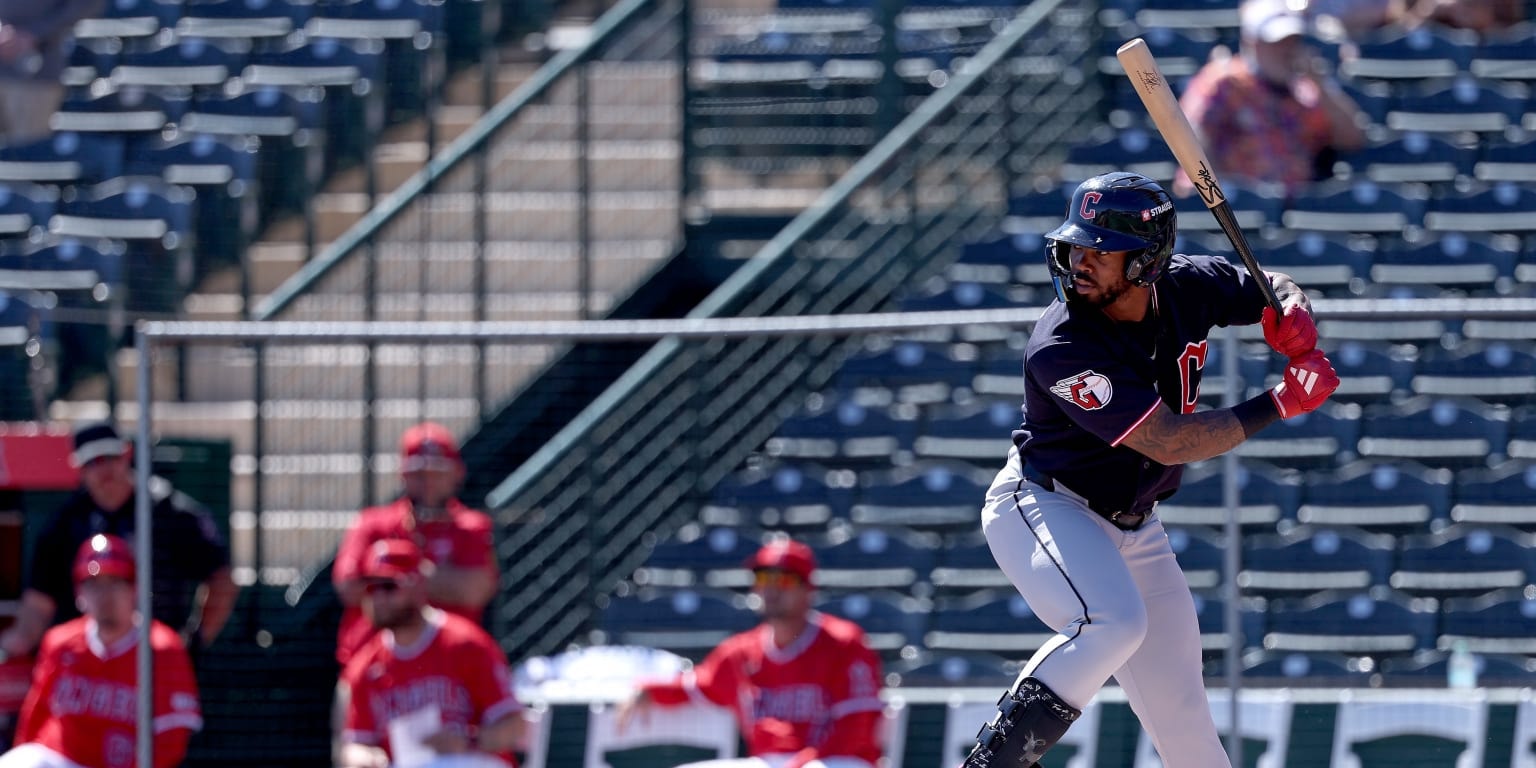
Cleveland turns to Kahlil Watson, a long-developed infield-outfield type, to cover for a stint on the injured list by teammate Chase DeLauter.
The Cleveland Guardians made a move that every prospect measures their timeline by and every team eventually needs. According to MLB’s official team reporting, the Guardians called up right-hander Kahlil Watson as No. 12 on their prospect list, with Chase DeLauter placed on the injured list. The call came Tuesday night, and Watson’s immediate reaction was personal as much as it was professional: he phoned his mother, then his father, then his girlfriend, before the reality of the promotion fully settled in.
Watson’s path to the Major Leagues has been shaped by development more than by reputation alone. MLB’s write-up describes years of work that included position changes, followed by repeated opportunities to prove he could handle new defensive assignments and the demands that come with them. For a young player, those adjustments are rarely glamorous, but they often determine whether a club can trust a prospect with real innings and real game situations.
The Guardians’ decision reflects the way Cleveland builds depth, especially when a veteran role player is suddenly unavailable. With DeLauter on the injured list, the roster picture changes quickly, and the team’s next best option must do more than perform at the plate. The call-up matters because it tests whether the prospect’s defensive versatility has translated into consistency at a Major League level, where late-game decisions and baserunning angles are tighter and more frequent.
Watson’s promotion also comes with the emotional weight that MLB’s account highlights. At 23 years old, he is old enough to have learned how quickly opportunities can appear, vanish, and then return. MLB notes that his development journey included being challenged at different stops, which is consistent with how modern organizations treat prospects who are still figuring out where they can contribute most efficiently.
For the Guardians, the immediate priority is stabilization, not spectacle. When a hitter like DeLauter is sidelined, the club has to protect its lineup structure and keep production from leaking while it waits for the IL situation to resolve. That pressure often falls on the newest call-up, especially if the replacement has limited Major League at-bats to lean on.
As for what to watch next, the focus should be on the two parts of Watson’s assignment that his promotion most clearly indicates: first, how quickly he handles Major League pitching and game speed, and second, whether Cleveland can deploy him defensively without sacrificing late-inning flexibility. If Watson’s development has prepared him for multiple looks and roles, this stretch will reveal how much of that readiness carries over once he reaches the highest level.
In the broader picture, the call-up underscores how Cleveland treats its prospect pipeline as an active roster tool, not a long-term plan sitting on a shelf. DeLauter’s IL placement creates a short-term opening, and Watson’s arrival becomes the test case for the organization’s belief that development, patience, and repeated adjustments can produce a player ready to contribute when the calendar turns.
The Guardians did not turn to Watson simply as a one-day fill-in. MLB’s official report frames the promotion as the culmination of a process, which means the club likely expects him to earn his playing time rather than just occupy it. The next games will show whether Watson’s story of adaptation can become a lasting chapter in Cleveland’s season.