
THE APEX TIMES
Guardians feel the weight of late-inning misfires as young core presses for clutch answers
Kyle Manzardo’s ninth-inning frustration against Yankees right-hander Fernando Cruz underscored a broader challenge for Cleveland, which is trying to convert its best opportunities into late runs as the season tightens.
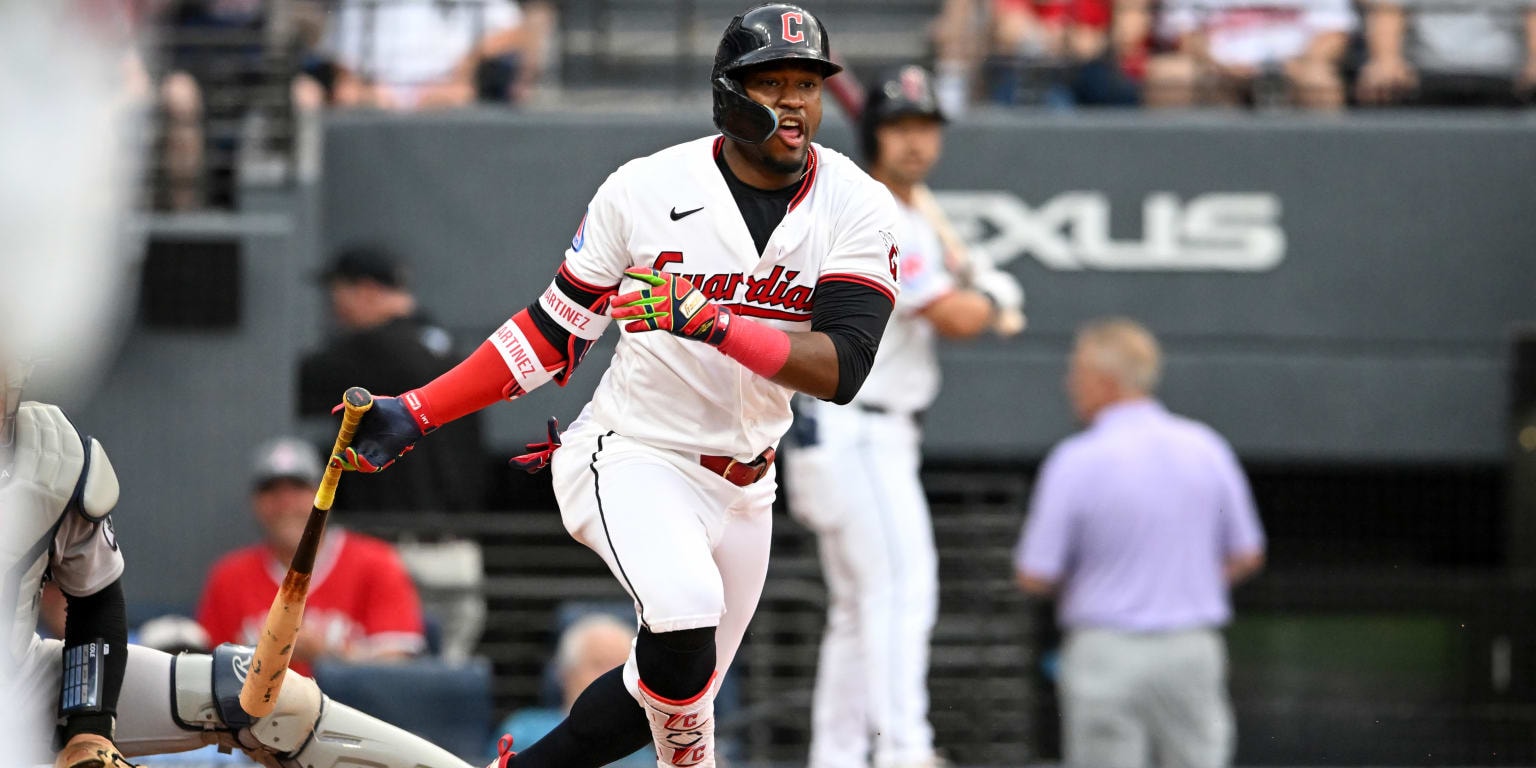
CLEVELAND, June 9, 2026: The Guardians’ late-inning push Tuesday night carried a familiar sting for a young lineup trying to find its footing in high-leverage moments. In the ninth inning at Progressive Field, first baseman Kyle Manzardo stepped in as a potential winning-run situation developed, and the emotion on his face told its own story when the at-bat ended in frustration rather than relief.
Manzardo worked against Yankees right-hander Fernando Cruz, a matchup that became tense quickly once Cleveland got into the heart of the order. Cruz opened the inning by allowing a leadoff walk to Chase DeLauter, then settled into the kind of command that changes at-bats, including one pivotal sequence where the plate umpire process and a split-finger pitch left the Guardians with fewer outs and fewer answers.
According to MLB’s account of the inning, Cruz’s fifth pitch of the at-bat was a 1-2 splitter. After Manzardo swung, third-base umpire Nate Tomlinson ruled the swing a check-swing appeal, turning what Cleveland hoped would be a rally into another moment of controlled Yankee pitching. For Manzardo, it was less about one pitch and more about the accumulation of nearly-but-not-quite outcomes that can define a team’s season at the margins.
This is the kind of situation where young hitters and rising teams are tested, not just by the quality of the opposition, but by how quickly they can reset after a single leverage pitch flips the script. Cleveland’s core is still in the process of shaping its identity, and late innings are where that identity becomes visible to the home crowd and, eventually, to the postseason tiebreakers that separate contenders from also-rans.
For New York, Cruz’s ability to induce uncertainty in the strike zone matters because it protects late bullpen and makes rallies feel fragile. For Cleveland, the broader concern is consistency under pressure, particularly when the lineup creates opportunities and then must convert them into runs before opponents can change pitching plans.
In practical terms, clutch performance is rarely a single-strand problem. It is often a mix of timing, pitch recognition, and the willingness to fight for contact or take a walk when the count offers it. The Guardians’ frustration in this instance was tied to a runner already reaching, an at-bat that moved through multiple pitches, and an umpire’s ruling that removed a step in the direction of the at-bat Cleveland wanted.
As the season continues, Cleveland’s next step is to keep turning late innings into repeatable processes instead of one-off exorcisms. Tuesday’s image of Manzardo in agony is a reminder that, in the American League’s middle stretch, execution in tight moments can carry just as much weight as the volume of chances created.
What to watch next for the Guardians is whether they can translate their opportunities into sustained late scoring, especially when they face pitchers who can command breaking balls and splitters at full leverage. The team’s young players will be asked to keep producing contact, keep patience, and respond quickly when an umpire review or a single well-timed pitch changes the inning’s direction.
Why It Matters
- Late-inning conversion is often where seasons are decided, and Cleveland’s young core is still learning how to turn opportunities into runs under maximum leverage.
- The Yankees’ ability to finish at-bats, including check-swing outcomes on splitters, highlights the competitive margin for teams chasing late-inning success.
- When a lineup’s rallies stall in high-leverage moments, it affects not only the game result but also confidence and approach for the next similar matchup.
- As the season tightens, small execution gaps in the ninth inning can influence playoff positioning even when a team’s offensive chances are frequent.
Key Facts
- In the ninth inning Tuesday at Progressive Field, Kyle Manzardo stepped to the plate with Cleveland in a potential winning-run situation.
- Manzardo faced Yankees right-hander Fernando Cruz.
- Cruz allowed a leadoff walk to Chase DeLauter to begin the inning.
- On an 0-2 sequence, Cruz threw a 1-2 splitter as the pitch count moved to the fifth pitch of the at-bat.
- After Manzardo swung, third-base umpire Nate Tomlinson ruled the swing a check-swing appeal.
- The at-bat ended with Manzardo displaying visible frustration rather than a Cleveland late-inning breakthrough.