
THE APEX TIMES
Héctor Rodríguez’s two-homer burst from the leadoff spot fuels Reds’ big late rally vs. Giants
Terry Francona adjusted the batting order for the series finale, elevating rookie Héctor Rodríguez above Elly De La Cruz, and the move paid off with a dramatic, late-game offensive surge.
San Francisco saw a rare late offensive explosion as the Reds staged a historic rally in their Wednesday series finale against the Giants. With manager Terry Francona looking for more consistent run production, he made a notable lineup adjustment by moving rookie Héctor Rodríguez into the leadoff spot. The change immediately altered the top of the order, placing Rodríguez in front of Elly De La Cruz, who had been leading off for the Reds every game up to that point, according to the team’s recap.
Francona’s decision reflected a practical problem. The Reds had been facing an ongoing issue of finding enough offense to turn opportunities into runs, especially at pivotal moments in games. In that context, the leadoff change was less about long-term tinkering and more about creating a spark and forcing a different look for opposing pitching from the start.
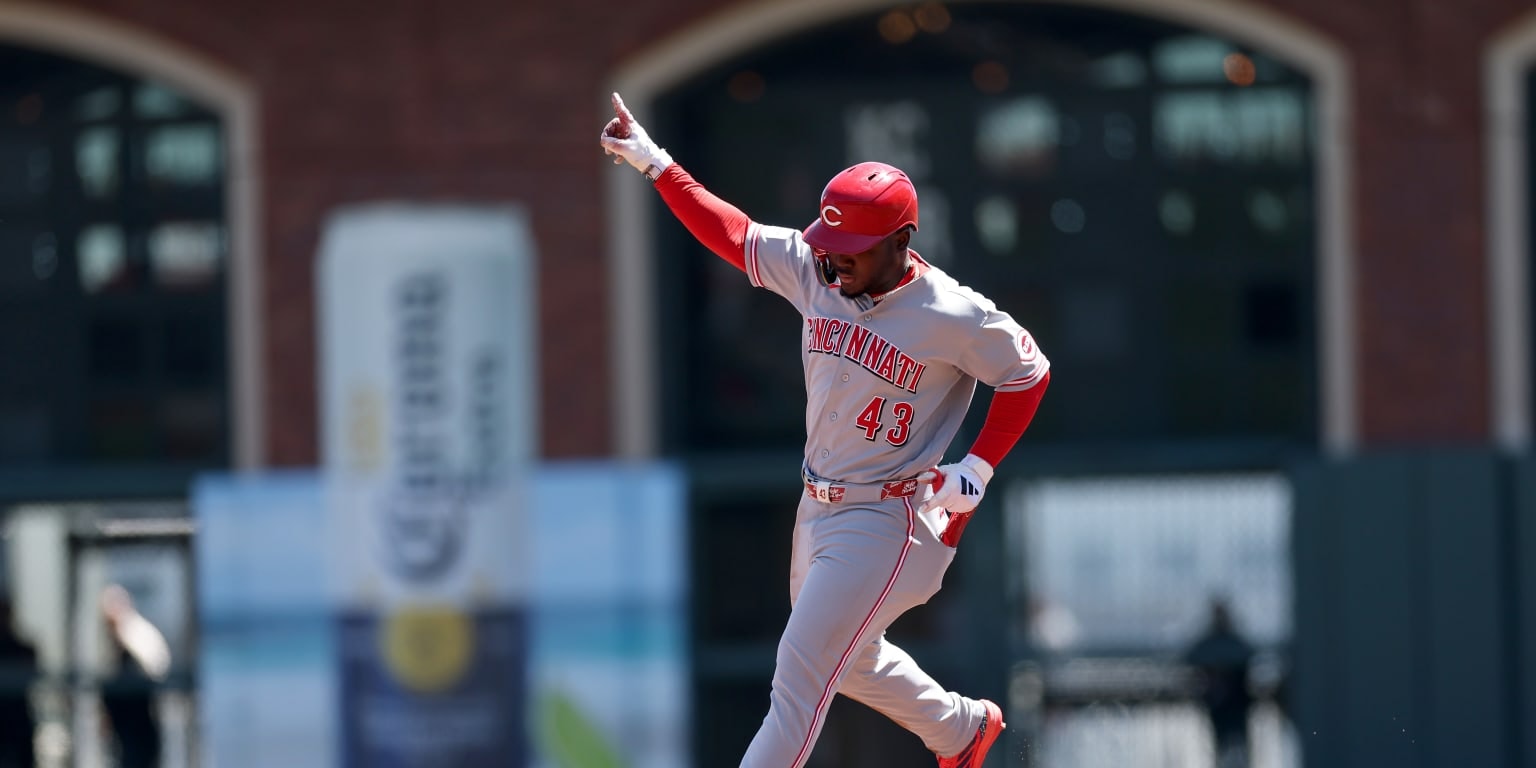
Rodríguez responded with the kind of performance that makes lineup experiments worth remembering. MLB’s game recap credited him with a two-homer cameo that helped ignite the Reds’ run surge late in the game. The headline detail from the official report was not only the power display, but the timing, as the Reds put together a seven-run ninth inning that transformed the game in a matter of innings.
That final stretch is where most rallies are made or broken, and this one carried a storyline beyond the box score. A rookie beginning a game in the leadoff role is already an uncommon look, but the production that followed gave the maneuver a clear payoff: it created early impact, then carried into the late inning swing that pushed the Reds into the kind of momentum teams chase all season.
The rally also underscored how quickly roles can shift in a long schedule. Elly De La Cruz’s absence from the leadoff slot was striking because it ended a streak of him leading off for the Reds. Still, the official report treated the decision as a matchup and performance-based tweak rather than a demotion or a permanent reassignment, with Francona using the lineup as a tool to address the team’s broader offensive challenge.
For Cincinnati, the most important takeaway is that the club found an extra gear late, and the immediate trigger was a lineup move that put Rodríguez in position to set the tone. For San Francisco, it was a reminder that even against a Giants team that could survive earlier stretches, late innings can turn quickly when the offense connects in clusters.
What to watch next is whether Francona keeps Rodríguez at or near the top of the order after this standout showing, and whether De La Cruz’s role resets immediately. The Reds now have a concrete reference point for when they need more run production, and the leadoff experiment has already produced a memorable, late-game payoff.
Why It Matters
- A successful lineup adjustment can change how a team attacks at-bats, especially when run production has been inconsistent.
- Late-inning rallies like this can swing momentum and provide a blueprint for future close games.
- The shift affects batting order roles at the top, which can influence plate appearances for both De La Cruz and the lineup behind him.
- For a rookie, impactful production from the leadoff role can expand managerial trust and opportunities.
Sources
Key Facts
- Terry Francona moved rookie Héctor Rodríguez into the leadoff spot for the Reds’ Wednesday series finale against the Giants.
- Elly De La Cruz was leading off every game for the Reds up to that point before the lineup change.
- Rodríguez produced a two-homer performance in the game.
- The Reds scored seven runs in the ninth inning to complete a major late rally.