
THE APEX TIMES
Heather Dinich questions the case for Tennessee’s preseason AP Top 25 ranking at No. 20
The ESPN analyst challenged why the Volunteers were placed in the upper tier of the preseason AP poll, opening a debate about how much preseason hype should outweigh the need for proof on the field.
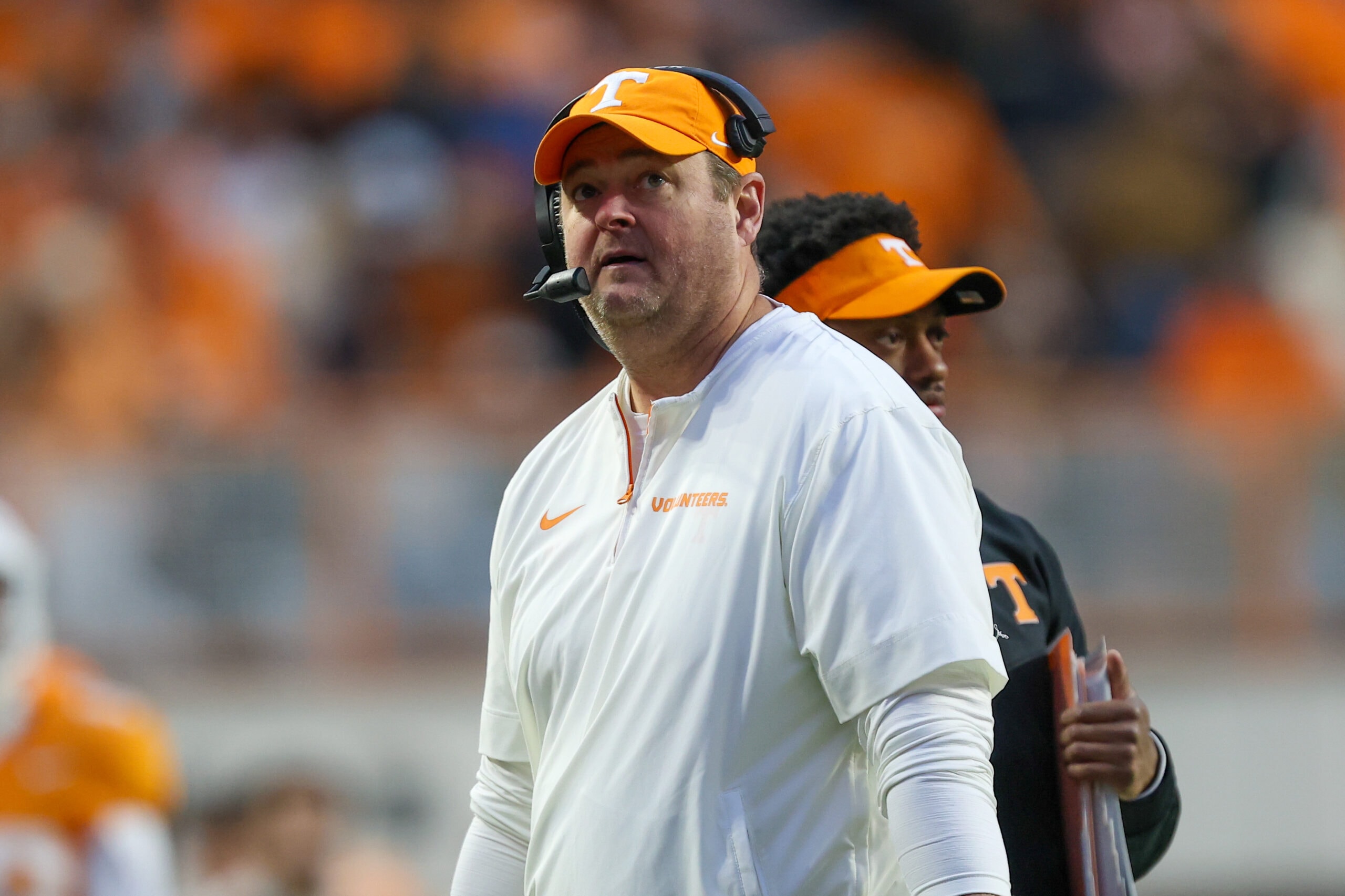
On Monday, Tennessee appeared in the preseason AP Top 25, landing at No. 20. ESPN analyst Heather Dinich publicly questioned the logic behind that placement, saying she “didn’t exactly love” the ranking and raising doubts about what justifies Tennessee being positioned in the preseason top 25.
Dinich’s critique matters beyond the immediate argument over one spot in a national media poll. The preseason AP Top 25 often becomes a shorthand for expectations heading into the season, shaping the way fans interpret early games, how programs are discussed in the SEC title conversation, and how quickly a team is expected to prove itself against other ranked opponents.
The Volunteers’ No. 20 placement also places them in a particular kind of pressure zone. Teams ranked in that neighborhood are usually treated as legitimate national contenders by the broader media, but not quite as safe bets as the higher-ranked programs. That means Tennessee can face scrutiny quickly if the season does not match the “top 25” label, even if the squad is still finding its rhythm early.
Dinich’s comments are best understood as a spotlight on the preseason process itself. Preseason ranking systems and media ballots are built on prior-season performance, program reputation, roster projections, and coaching expectations, but they also require voters to predict how quickly changes will translate into results. When a prominent national voice like Dinich challenges a specific placement, it underlines how much room there is for disagreement about the strength of teams before a snap is played.
Tennessee’s standing at No. 20 also matters because the SEC context intensifies every preseason decision. In a conference where multiple programs are frequently ranked, one school’s placement can influence narratives about the league’s depth and who has the clearest path to late-season prominence. Even if the AP ranking does not directly control the College Football Playoff, it tends to affect public perception of the “pecking order” when the first rankings updates arrive.
For Tennessee, the next step is straightforward: convert the preseason discussion into performance. The Volunteers’ credibility, as framed by Dinich’s skepticism, will hinge on whether the on-field results match the expectations attached to a top-25 preseason slot. If Tennessee starts slowly, Dinich’s critique will likely be repeated by those arguing preseason rankings are too generous. If the team performs well early, the question becomes whether the No. 20 placement was conservative, too high, or simply reflective of the uncertainty that always exists before the season.
What to watch next is not another ballot or a ranking graphic, but the first stretch of games that allows Tennessee to separate projection from reality. In the weeks after kickoff, the AP poll will give clearer answers, and the “why are they ranked?” debate will shift from preseason reasoning to evidence drawn from actual outcomes. Dinich’s comments may be only one analyst’s opinion, but they point to the central test for any preseason-ranked program: earn the ranking, or fall out of the conversation.
Why It Matters
- Preseason AP rankings influence how quickly national narratives form around teams, including SEC contenders.
- A mid–top 25 placement creates pressure to prove value against expectations attached to a ranked label.
- Public debate about preseason rankings highlights the uncertainty voters face before the season starts.
- Tennessee’s early-season results will determine whether the No. 20 slot is viewed as fair, too high, or too low.
Sources
Key Facts
- Tennessee was listed in the preseason AP Top 25 at No. 20.
- The preseason AP Top 25 was released on Monday.
- Heather Dinich said she “didn’t exactly love” Tennessee’s No. 20 preseason ranking.
- Dinich’s reaction raised questions about the justification for Tennessee being ranked in the preseason top 25.