
THE APEX TIMES
Hector Rodriguez leads off as Reds try to snap a grinding scoreless stretch under Terry Francona
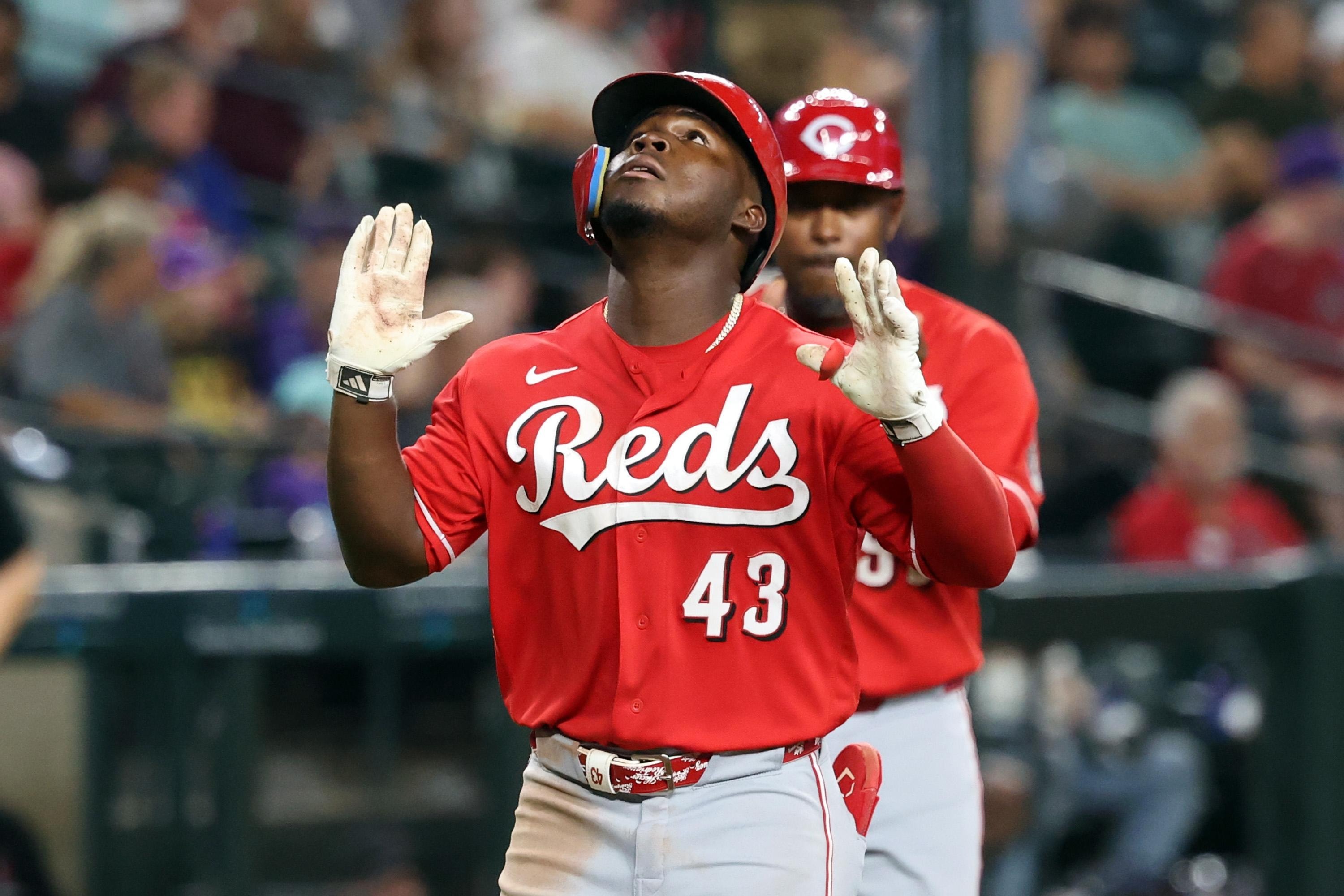
Cincinnati’s lineup has struggled to produce even in matchups it would prefer to control, and a new effort for early offense highlighted Friday’s storyline. The Reds’ opening threat came via Hector Rodriguez, with the team continuing to chase answers in a broader problem that has stretched across multiple games.
Cincinnati found a first spark at the top of the order when Hector Rodriguez reached base to lead off, a small but meaningful moment for a Reds team that has been searching for consistent offense. In the same breath, the game story carried the larger backdrop: an extended stretch of Cincinnati not scoring. According to Yahoo Sports’ recap, the Reds had run off a string of 23 straight innings without plating a run, a drought that forces every at-bat to carry extra weight.
The scarcity of production has been particularly stark against San Francisco. Yahoo Sports reported that in two games versus the Giants, only a Sal Stewart solo home run has pushed a run across the plate. That kind of limited output concentrates pressure inside the lineup, because when one swing is the lone source of offense, the rest of the lineup has little margin for error.
Terry Francona’s role in the storyline is not about tactics alone, it is about urgency. Yahoo Sports framed the situation as Francona “gets desperate for offense,” a reminder that when the ability to score starts to disappear for stretches, managers typically lean more heavily on maximizing early opportunities, attacking innings that shape the game, and trying to keep opponents from settling into a rhythm.
Part of Cincinnati’s frustration is that the matchup has not been entirely clean from the Giants’ side, either. Yahoo Sports noted that San Francisco starting pitchers were forced to exit in the second inning in those two games due to injuries. Even with that, the Reds still had trouble cashing in, which underscores how difficult it has been for them to sustain rallies, convert baserunners, and score multiple runs once an opponent’s day is disrupted.
Rodriguez’s leadoff appearance matters because early innings often set the ceiling for an offense that has gone cold. In a game where an extended scoreless run hangs over the team, leadoff baserunners can change the math for the hitters behind them, potentially turning “chase a single run” at the end of the night into a multi-attempt approach earlier in the game. It also gives the dugout more time to work through an opponent’s bullpen, rather than needing one big inning to salvage everything.
Stewart’s home run, meanwhile, remains the kind of game-altering moment that, in calmer offensive cycles, is supported by additional damage. When the only run in two games has come from a solo shot, it suggests that Cincinnati has been generating moments but not enough of them, or not converting them into additional runs across the lineup. A solo homer can keep a team in reach, but it also cannot cover repeated innings of inaction.
What to watch next for Cincinnati is whether the leadoff spark becomes the beginning of a pattern rather than an exception. If the Reds can turn early baserunners into extra-base pressure, extend innings, and score with runners in scoring position, the team will start to reverse the “every at-bat matters” spiral that comes with runs of scorelessness. Against a Giants club already dealing with departures on the mound, that is the opening for Cincinnati to do more than put a single run on the board.
Even with the urgency, the broader lesson in this stretch is that offense is not built from one highlight. It is built from repetition, from stringing together the right sequence of at-bats, and from producing runs in different ways. For Francona’s Reds, Rodriguez getting on early is the right direction, but turning it into sustained scoring is the job that still has to be finished.
Why It Matters
- For Cincinnati, a prolonged scoreless stretch changes how every inning is managed, because scoring opportunities become harder to come by and harder to replace.
- The fact that the Reds’ main run came via a solo homer highlights how limited production has been across the rest of the lineup.
- Early baserunners from the leadoff spot can be the difference between a one-run game and a multi-run game, especially when an offense is otherwise stalled.
- With injuries forcing early pitcher exits for the Giants, the Reds’ ability to turn that into consistent runs will determine whether this is a temporary scare or a continuing offensive collapse.
Sources
Key Facts
- The Reds had a reported 23 straight scoreless innings streak at the time of the Yahoo Sports recap.
- In two games against the Giants, Yahoo Sports reported Cincinnati had only one run scored, a Sal Stewart solo home run.
- Friday’s game story highlighted Hector Rodriguez hitting leadoff for Cincinnati.
- Yahoo Sports reported the Giants’ starting pitchers exited in the second inning in those two matchups due to injuries.
- Terry Francona’s approach was described by Yahoo Sports as increasingly urgent in response to the scoring drought.