
THE APEX TIMES
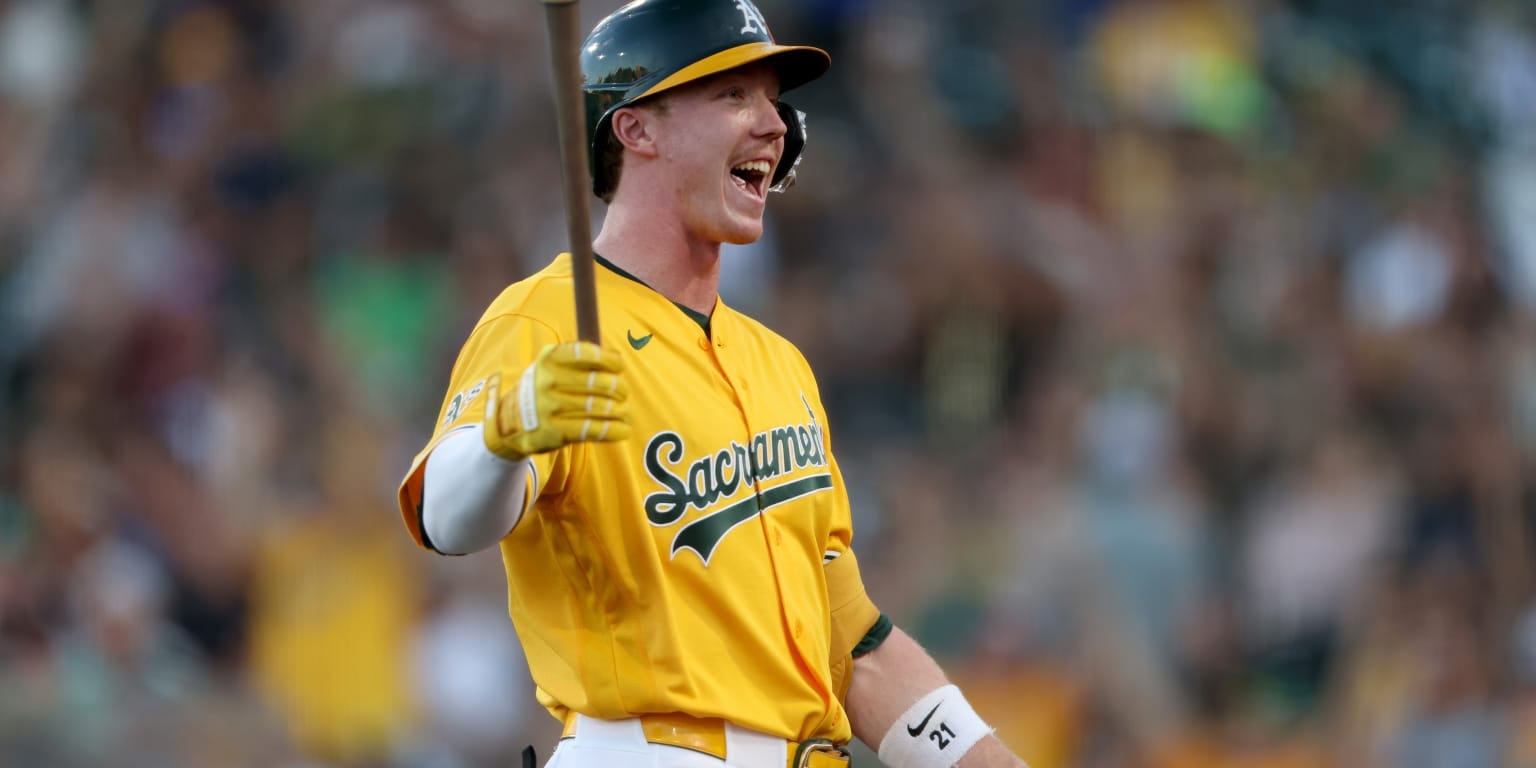
Henry Bolte’s fast start and near-cycle push hot streak in Athletics’ loss to Rangers
Against Texas, Bolte posted a first-inning single, a three-run homer that barely kissed the left-field foul pole, and a double that kept the door open for a late-game historic moment.
WEST SACRAMENTO, Calif. On a night when the opposition came in steady and organized, Henry Bolte made it clear that his recent swing changes have not taken a back seat to the calendar. In Saturday’s game against the Rangers, the Athletics left fielder did not wait for an opportunity to build momentum, singling in the first inning and setting the tone for a performance that stayed one at-bat away from something uncommon.
Bolte’s impact tightened in the second inning. With the opportunity to turn a productive start into bigger damage, he drove a three-run homer to left field that reportedly just scraped the foul pole, a finish that underscores both his power and the precision of his contact. Home runs that find the foul pole rarely look accidental, and this one came early enough to shape the feel of the game for the Athletics offense.
As the night continued, Bolte kept his bat in the middle of the strike zone long enough for his total to climb again. He added a double, extending his run of extra-base production and keeping the “near-cycle” conversation alive as innings moved on. Even when a cycle does not materialize, the path toward it can still be revealing, particularly for a player demonstrating repeatable timing.
By the time the at-bats stacked up, the core theme was simple: Bolte was adjusting to baseball in real time. The sequence of a first-inning single followed by a foul-pole three-run homer and then a double is the kind of offensive profile that suggests a hitter seeing the ball well across different situations and locations. Whether the swing is built for a hard contact outcome or a more controlled line drive, the at-bat-to-at-bat consistency matters.
The Athletics ultimately fell to the Rangers despite Bolte’s output, but individual performances can still carry longer-term importance. A hitter who can produce multiple types of damage, including power that lands at the very edge of fair territory, gives a team more options to drive runs when the game’s early plan hits resistance.
For the Rangers, Bolte’s near-cycle night functioned as a reminder that the Athletics’ lineup is not only about the top of the order. It takes only one hitter finding rhythm to force pitchers into uncomfortable decisions. Against that kind of damage, pitching staffs must choose between pitch location that risks hard contact and more cautious pitching that can invite pitches over the heart.
What to watch next is whether Bolte’s adjustments persist beyond this one stretch. Sustained production is often less about one pitch or one inning and more about whether a hitter can replicate the same process when scouting books catch up. If the Athletics can keep getting him quality looks as games become tighter, Bolte’s performance in this one could serve as a sign that his recent momentum is not just a temporary spike.
Why It Matters
- A near-cycle performance is a high-leverage offensive marker, showing a hitter can impact multiple bases in a single game.
- Power that reaches the foul pole tends to change how pitchers manage the outer part of the plate, not just the batter’s next at-bat.
- For a team trying to build consistent scoring chances, a player who produces both gap hits and drive power increases lineup flexibility.
- Even in a loss, performances like this can indicate whether recent batting changes are sticking long enough to matter in later contests.
Sources
Key Facts
- Henry Bolte singled in the first inning against the Rangers.
- Bolte hit a three-run homer in the second inning that just scraped the left-field foul pole.
- Bolte added a double as part of a near-cycle effort.
- The game was played in West Sacramento on Saturday.
- The Athletics lost to the Rangers despite Bolte’s multi-hit, power-heavy night.