
THE APEX TIMES
Holly Rowe returns to the Texas spotlight with both nerves and professionalism
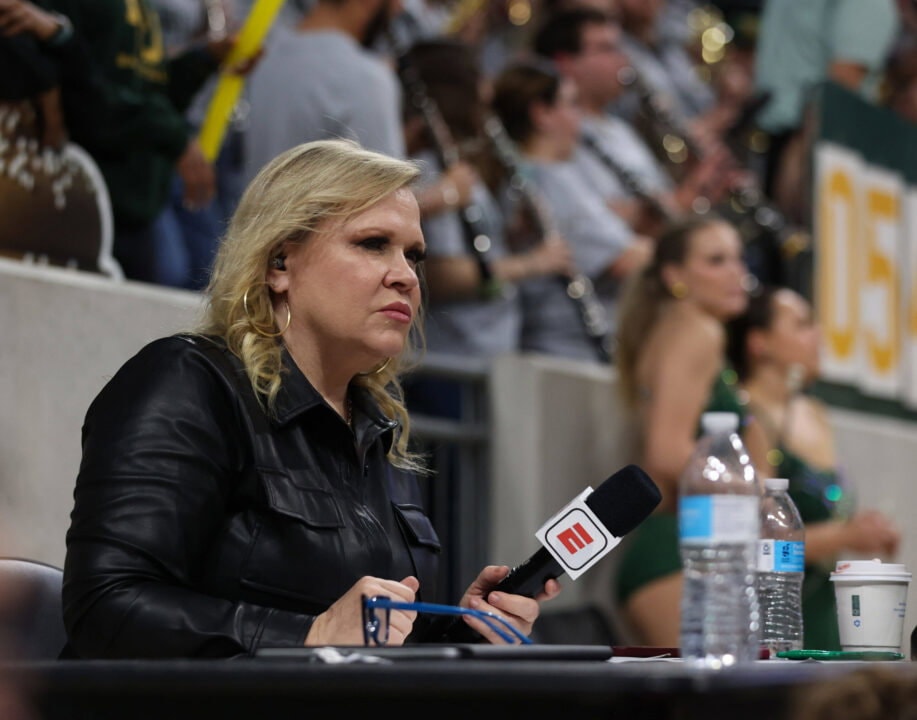
ESPN sideline reporter Holly Rowe says she is carrying raw emotion and professional focus as she heads back to the setting where she previously crossed paths with Texas coach Steve Sarkisian, after weeks of intense online scrutiny following an awkward postgame exchange.
Holly Rowe is returning to the “main stage” this weekend with the kind of emotional duality that comes with covering college football in the most public way possible. The ESPN reporter, known for her on-field presence during high-stakes games, is facing renewed attention after an awkward postgame exchange involving Texas coach Steve Sarkisian became a focal point for online criticism.
Rowe’s situation highlights the pressures that sideline reporting can carry in a sport where every moment is magnified. In the modern media cycle, a few seconds after a game, combined with a short clip and social commentary, can take on a life of its own. For a reporter whose job depends on accuracy, calm access, and relationship management in high emotion, the fallout can last far longer than the final whistle.
According to the report, Rowe’s return comes after weeks of intense scrutiny. That timing matters because it shifts the story from a single in-game interaction to an extended period of public evaluation. The emphasis is not on whether the exchange was ultimately “right” or “wrong,” but on how a veteran broadcaster re-centers her approach while the internet watches and judges.
The backdrop is also personal and professional. Rowe is not walking into a neutral environment; she has history with Sarkisian, and the report frames this weekend as a place where those past interactions will be impossible to ignore. That adds a different layer to sideline coverage, where reporters are expected to transition quickly from the emotional turbulence of a game to the disciplined tone of a broadcast role.
For ESPN, the decision to put Rowe back in that spot speaks to a familiar broadcasting principle. Networks rely on experienced reporters to bring context without being consumed by the noise. In college football, sideline reporters are tasked with capturing the immediacy of what is happening around the field, while also keeping the broadcast moving and the information reliable.
For viewers and teams, what to watch is how the moment is handled on-air. Will Rowe’s approach lean more directly into acknowledging the scrutiny, or will she focus strictly on the job and let the game itself reset the atmosphere? Either way, her return will function as a test case for the broader question of how broadcasters manage public narratives without losing the steadiness the role requires.
Rowe’s story is unlikely to end with one game. Online attention can resurface quickly, and any new awkward pause, misstep, or misunderstood exchange could invite another round of commentary. But the central development is clear: she is back, aware of the scrutiny, and determined to treat this weekend as a professional assignment first, even while emotion remains present.
Why It Matters
- It underscores how quickly college football moments can turn into long-running online storylines, even when they involve reporters rather than players.
- Rowe’s return tests how media professionals maintain broadcast composure when scrutiny is already established before the next kickoff.
- For Texas and its head coach, the media attention around off-field interactions can shape perceptions long after the game ends.
Sources
Key Facts
- ESPN sideline reporter Holly Rowe is returning to the broadcast main stage this weekend after facing weeks of intense online scrutiny.
- The scrutiny followed an awkward postgame exchange involving Texas coach Steve Sarkisian.
- The report says Rowe will carry both raw emotion and professional focus as she heads back to the setting tied to her history with Sarkisian.
- The story centers on the challenges of sideline reporting in college football’s high-visibility environment.