
THE APEX TIMES
How did Seattle’s defense keep the passing game under control in overtime at Denver?
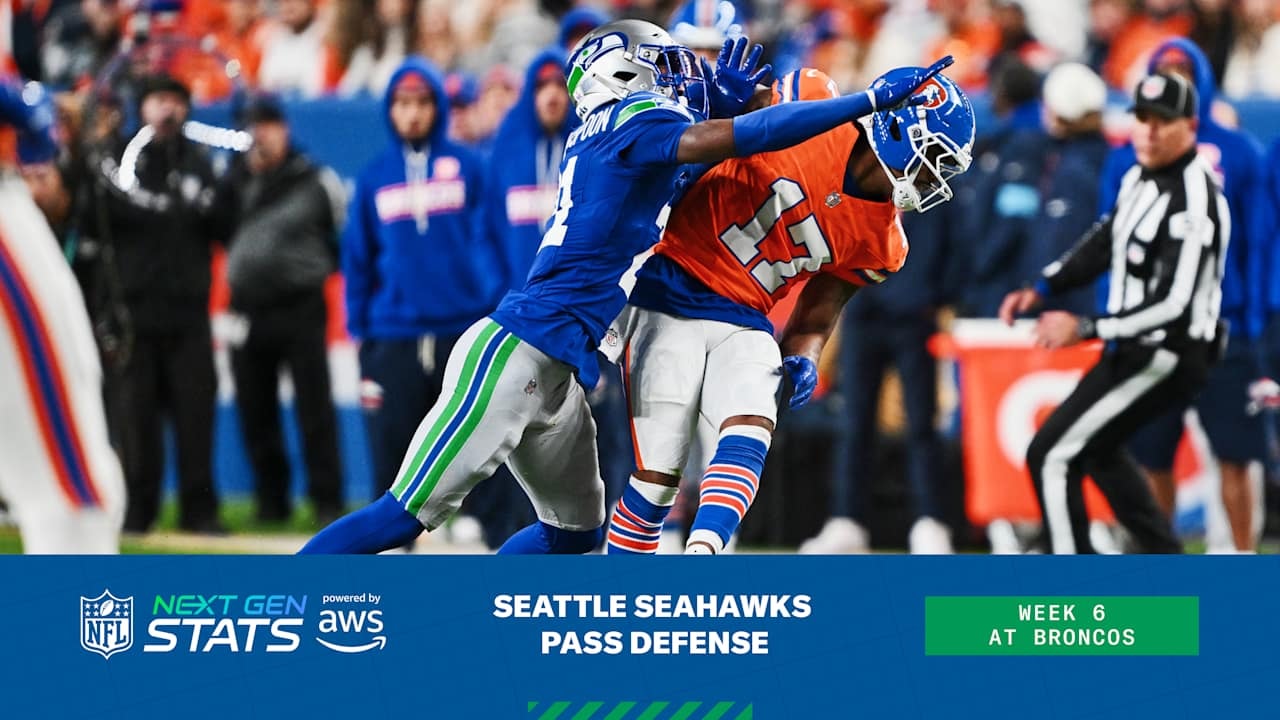
After two long touchdown drives put the Seahawks behind early, Seattle’s defense tightened coverage, generated pressure, and limited Bo Nix’s passing to short gains, forcing overtime before falling 17-14.
The Seahawks were already in a difficult position early at Denver on Thursday night, after allowing back-to-back touchdown drives that stretched long enough to put Seattle down 14-3. But from that point, Seattle’s defense sharply reduced what Denver could do through the air.
Seattle’s pass defense and pass rush combined to limit Broncos quarterback Bo Nix to 107 passing yards on 27 attempts. According to NFL Next Gen Stats, each of Nix’s 17 completions came on throws with fewer than 10 air yards, and he went 0 for 33 on downfield attempts (10-plus air yards).
The change showed up statistically in how completions were distributed. Nix averaged only 0.9 air yards per completion, the second-lowest mark of his career, as Seattle kept the Broncos from sustaining vertical passing plays after the early touchdowns.
The Seahawks’ defensive run continued across the rest of regulation and into overtime. Denver managed only two first downs and totaled 43 yards after those two second-quarter touchdown drives, ending most possessions quickly, including punts and drives that ended with kneel-downs before halftime and after regulation.
Seattle ultimately forced overtime, but the game ended when a Denver turnover gave the Broncos a short field and they converted it into a game-winning kick without needing a first down. Head coach Mike Macdonald credited the response and execution after the early deficit.
Why It Matters
- The performance highlights Seattle’s ability to correct quickly after unusual early touchdown sequences, tightening the passing game despite an early deficit.
- Limiting completions to short air yards changes offensive game plans, because it forces drives to be built through shorter gains and reduces big-play upside.
- Even in a loss, the second-half shift provides a concrete example of how Seattle’s defensive coverage and pass rush can alter downfield passing efficiency.
- The overtime outcome keeps attention on finishing details, but the overall run after the first two touchdowns sets a positive reference point for the Seahawks’ defensive identity.
Key Facts
- Seattle entered a difficult stretch early, after allowing back-to-back long touchdown drives that left it trailing 14-3 at Denver.
- Bo Nix finished with 107 passing yards on 27 attempts against the Seahawks.
- Every one of Nix’s 17 completions came on throws under 10 air yards, and he was 0 for 33 on throws of 10-plus air yards.
- Nix averaged 0.9 air yards per completion, the second-lowest mark of his career.
- After the two second-quarter touchdown drives, Denver totaled 43 yards and two first downs for the remainder of the game.
- Seattle forced overtime but lost 17-14 after a turnover led to Denver’s game-winning kick.