
THE APEX TIMES
How Jonathan Aranda became a cornerstone for the Rays’ World Series run
A Cuban scouting detour in 2015 and years of internal position changes led the Rays to first base stability with their longest-tenured player.
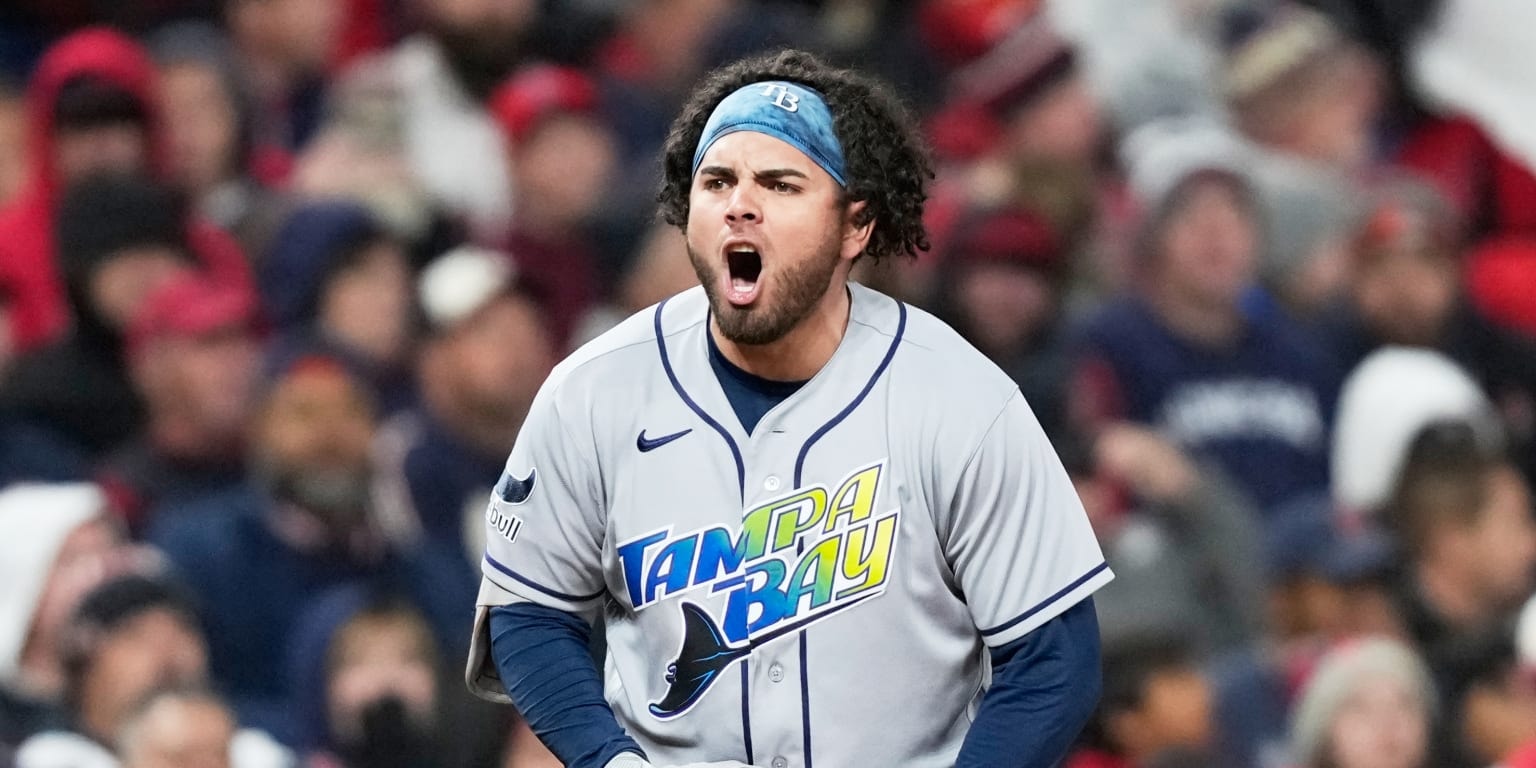
The Rays’ postseason identity has been built on more than star power. Jonathan Aranda, Tampa Bay’s long-tenured first baseman, has become an everyday presence in the middle of the lineup as the club heads toward its first World Series championship.
Aranda’s path started with a scouting trip that was never supposed to be about him. In 2015, Rays international scouting director Carlos Rodriguez wanted to evaluate Cuban outfielder Randy Arozarena, who was training in Tijuana, Mexico. The organization lacked the international spending capacity to sign Arozarena at the time, so Rodriguez leaned into the team’s philosophy of always keeping an open eye at the ballpark, leading him to a 17-year-old Aranda.
The Rays evaluated Aranda after a younger-player workout at Toros’ academy and offered him $130,000. Aranda signed with Tampa Bay on July 2, 2015, beginning a 11-year association that would later become a major storyline in the organization’s player development approach.
While the Rays ultimately settled on Aranda as their first baseman, the defensive plan was not settled early. He began his professional career at second base, moved around the infield for much of his development, and even spent time under an idea to convert him to catcher after the pandemic wiped out the 2020 minor league season.
Those experiments were tied to Aranda’s bat, which often forced the organization to keep raising its expectations. In 2019 at High-A, he hit.272, and in 2021 for Double-A Montgomery he slashed.330/.418/.543 with 14 home runs and 22 doubles across 102 games. The Rays never started him behind the plate, but the organization used the attempt to learn more about how his skills translated.
When Aranda reached Triple-A, the production remained strong, and the Rays continued to believe he was ready. Over parts of three seasons from 2022 to 2024, he batted.315 with a.959 OPS in Triple-A, while during limited major league opportunities in that same span he hit.222 with a.692 OPS.
In the majors, the question became timing and role clarity rather than potential. The Rays cleared a lane for Aranda to be their first baseman in 2024 and again in 2025, but injuries disrupted the opportunity. This year, with health intact, he emerged as one of the Rays’ most consistent lineup fixtures and a key part of their October push.
Aranda’s regular-season footprint in his role was substantial. He started 148 games during the 2026 regular season, and he batted.274 with a.792 OPS. The story of his World Series presence is, in the Rays’ telling, also a story of staying with one player through multiple organizational phases until the fit finally became permanent.
Team officials framed Aranda’s journey as both scouting success and player development success. Senior director of baseball development Jeff McLerran credited consistent internal belief, noting that scouts saw reason to expect Aranda would hit at the highest level. McLerran also described Aranda’s organizational longevity as a product of discipline and growth, especially as he improved his first-base defense to meet the team’s standards.
For Aranda, the focus now is what comes next. With the Rays eyeing their first franchise World Series championship, he has positioned himself as the most recognizable example of the organization’s patient approach to building a lineup around a player for the long term.
Why It Matters
- Aranda’s long-tenure role reinforces the Rays’ organizational model of repeated internal evaluation and development rather than rapid roster churn.
- Stability at first base supports the Rays’ lineup construction, particularly as a left-handed bat placed between other core contributors.
- The storyline connects scouting planning from the international market to on-field payoff in October, illustrating how cap constraints can redirect decisions.
- Aranda’s presence helps define the Rays’ postseason outlook as they pursue the first World Series title in franchise history.
Sources
Key Facts
- Carlos Rodriguez, the Rays’ international scouting director in 2015, began the Aranda story while trying to evaluate Cuban outfielder Randy Arozarena in Tijuana, Mexico.
- The Rays lacked international spending capacity to sign Arozarena in 2015, and Rodriguez’s trip ultimately led to the Rays offering Jonathan Aranda $130,000.
- Aranda signed with Tampa Bay on July 2, 2015, and later played in multiple roles in the organization, including an ill-fated attempt to make him a catcher.
- As a hitter, Aranda posted a.330/.418/.543 line with 14 home runs and 22 doubles in 102 games for Double-A Montgomery in 2021.
- In the 2026 regular season, Aranda started 148 games and batted.274 with a.792 OPS for the Rays.
- The Rays cleared a path for Aranda at first base in 2024 and 2025, but injuries interrupted those seasons before he stayed healthy this year.