
THE APEX TIMES
How the Seattle Pilots became the Milwaukee Brewers
Eight years before the Mariners opened in 1977, Seattle had a Major League club of its own. It was the Pilots, and within two seasons it moved to Milwaukee and became the Brewers, thanks to voters, a domed-stadium plan, and a bankruptcy-driven timeline that left uniforms half-changed.
Before the Seattle Mariners ever played a regular-season game, Seattle’s first Major League franchise was the 1969 Seattle Pilots. After a single season, the club relocated and re-emerged in Milwaukee as the Brewers, turning a one-city experiment into a long-running franchise.
The road to landing that first team in the Pacific Northwest was political as much as baseball-related. MLB’s expansion plan required local voters to pass an initiative to expand Sick’s Stadium and support construction of a permanent domed ballpark. The effort was backed publicly by MLB President Joe Cronin and, in a high-profile appearance, legendary players Joe DiMaggio, Mickey Mantle and Carl Yastrzemski.
Once Seattle earned the franchise, the Pilots entered MLB’s 1968 Expansion Draft with picks that shaped their first season. Their first selection was veteran first baseman Don Mincher, an All-Star in 1967 who produced 25 home runs and an.854 OPS with California. Seattle’s second pick was Tommy Harper, who went on to steal 73 bases to lead the majors in 1969.
On April 8, 1969, Seattle played its first game against Mincher’s former team, the Angels, and won 4-3 at Anaheim. The club started relatively well, reaching 35-39 by July 1, but then faded to a 64-98 finish, ending with one tie.
Even the Pilots’ schedule included an unusual stop: a 163rd game. Under then-rules, if a tied game was called after at least five innings were completed, it was replayed from scratch. The Pilots played a 1-1 tie in 10 innings versus the Angels on Sept. 12 at Sick’s Stadium, and then played it again the next day, winning 6-4 as the first game of a doubleheader.
Milwaukee’s connection formed before the move, when the city was still trying to replace the franchise that had left. After the Braves departed for Atlanta in 1965, Milwaukee sought a new team, aided by businessman Allan H. “Bud” Selig. That effort included White Sox regular-season games in 1969 at County Stadium, including a June 16 contest versus the Pilots that Milwaukee hosted while the Seattle franchise still existed.
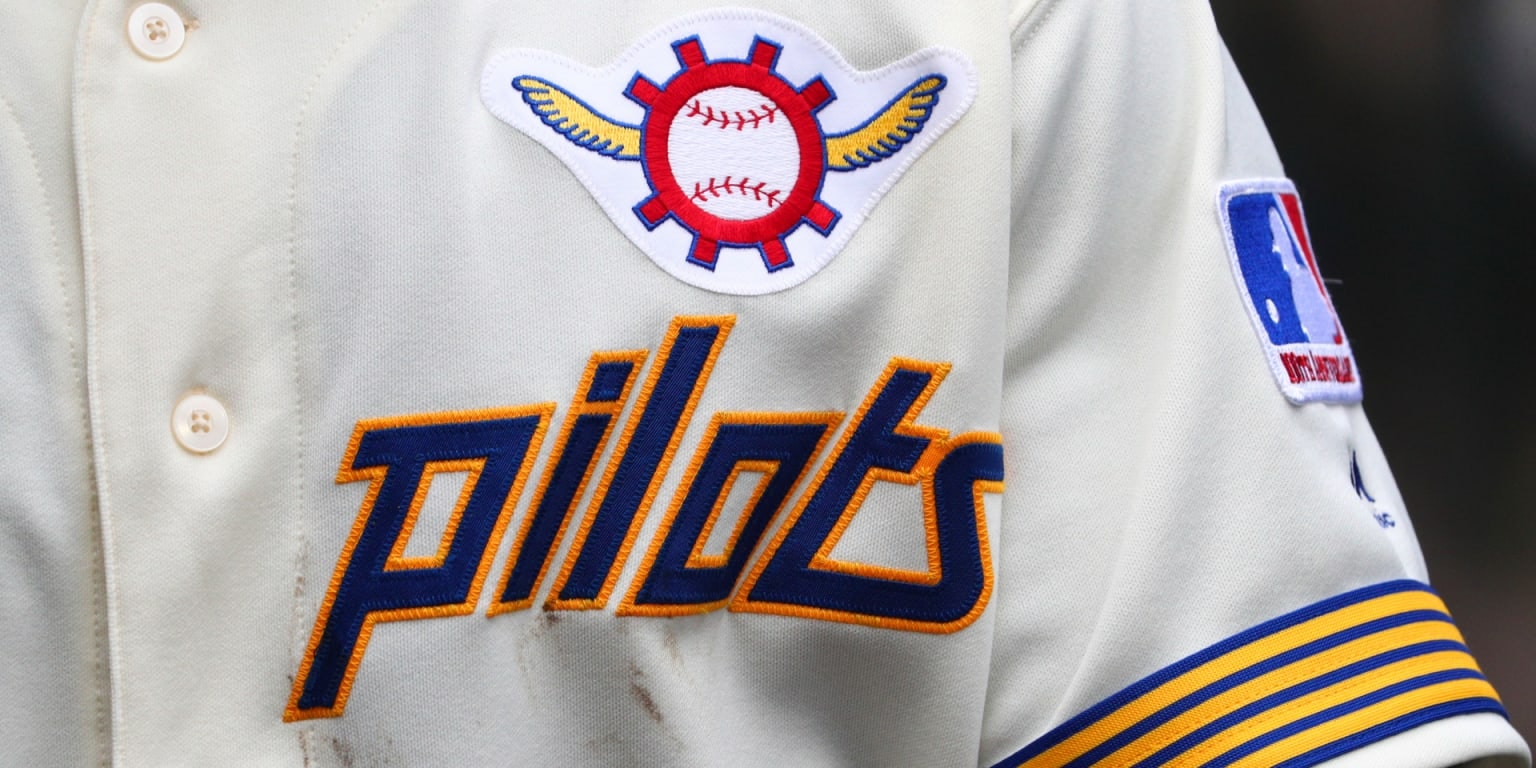
The relocation itself accelerated after the Pilots’ first season. The franchise filed for bankruptcy, and after the bankruptcy court approved a sale, the club was moved to Milwaukee. The court approved the sale on March 31, 1970, leaving little runway for “truck day” preparations because the trucks and equipment were already staged for spring training in Tempe, Arizona, and drivers did not know whether the destination would be Seattle or Milwaukee. The Seattle uniforms were also still marked “Pilots” before being adjusted.
Officially, the papers were signed on April 2, 1970, making the Seattle Pilots the Milwaukee Brewers. The Brewers opened their first home game in Milwaukee on April 7 at County Stadium, though they lost 12-0 to the Angels. Milwaukee would serve as the club’s home for the next three decades, until a new ballpark was built.
Why It Matters
- It explains why the Milwaukee Brewers’ franchise history includes a Seattle origin story, despite the club’s long Milwaukee identity.
- It shows how MLB expansion depended on local government action and stadium construction, not just on-field planning.
- The “Game 163” illustrates how rule mechanics and weather could affect the statistical record, even for a last-place team.
- Milwaukee’s earlier hosting of other teams highlights how relocation paths can form years before a franchise officially changes cities.
- The bankruptcy-to-move timeline demonstrates how off-field financial realities can compress the logistical window for a new season.
Key Facts
- Seattle’s first Major League team, the 1969 Seattle Pilots, preceded the Mariners by eight years.
- Voters approved an initiative that allowed Sick’s Stadium expansion and supported construction of a domed permanent ballpark.
- The Pilots’ 1968 Expansion Draft included first baseman Don Mincher and speedster Tommy Harper.
- Seattle’s lone 1969 season included a replayed “Game 163” after a 1-1, 10-inning rain-caused tie versus the Angels.
- Milwaukee’s path to a Major League club was helped by Bud Selig’s push, including White Sox regular-season games at County Stadium in 1969.
- After bankruptcy, the bankruptcy court approved a sale on March 31, 1970, and the move to Milwaukee was finalized when the papers were signed April 2, 1970.
- The Brewers opened at Milwaukee’s County Stadium on April 7, 1970, with a loss to the Angels.