
THE APEX TIMES
How the Tarik Skubal-to-Dodgers deal came together, and what it indicated for the Tigers
New reported details explain why Detroit moved early on its blockbuster Cy Young ace trade, and how a major bidding process shaped the final package.
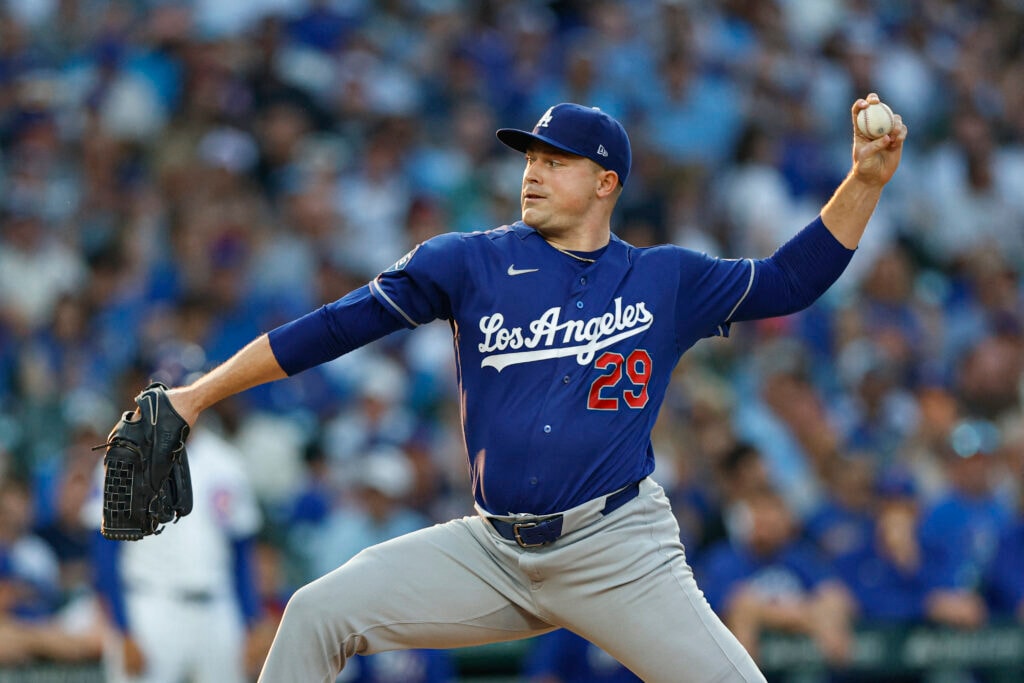
A week after Tarik Skubal was sent to the Los Angeles Dodgers in a blockbuster trade, additional reporting has filled in more of the transaction’s backdrop, including how the Tigers handled negotiations and why they chose to complete the deal when they did. The reported structure of the move is straightforward: Detroit received right-hander River Ryan plus two prospects, outfielder Zyhir Hope and right-hander Brady Smith, in exchange for the two-time American League Cy Young winner.
According to ESPN’s Jeff Passan and The Athletic’s Ken Rosenthal, the Dodgers were not negotiating in a vacuum. MLB Trade Rumors’ recap of their discussion says several prominent teams were involved at least to some degree before the eventual outcome became Detroit’s destination for the package. The names cited were the Brewers, Rays, Yankees, Braves, and Cubs, reflecting how quickly Skubal’s trade value turned the situation into a multi-team contest rather than a one-to-one swap.
One of the more pointed details in the reporting is timing. MLB Trade Rumors notes that the Tigers made the trade last Saturday night, instead of waiting until closer to the 5 p.m. CT trade-deadline window on Monday. The implication is that Detroit viewed momentum and certainty in its best offer as more important than squeezing the latest possible moment out of the market. That kind of decision often matters when a team believes it will lose leverage if it waits too long, or when it wants to control what happens to its pitching assets and return package without creating extra uncertainty around competing bids.
For Los Angeles, the trade’s purpose is equally clear, even if the fine print of contract terms and roster logistics is not addressed in the reporting summarized here. Skubal’s profile as a top-of-the-rotation starter gives the Dodgers a high-end piece for a contender built around pitching depth and postseason readiness. In practical roster terms, Detroit’s return of Ryan, Hope, and Smith suggests the Tigers were willing to part with immediate ace-level performance in order to replenish their system with multiple controllable looks, including two prospects who can develop into rotation and bullpen options over time.
The prospect component also helps explain why teams stayed interested. Ryan gives a receiving club a premium pitching return, while Hope and Smith expand the horizon of outcomes. Even when a deal is described as “blockbuster” in headlines, the market’s realism often hinges on whether the prospects included can reasonably be projected to contribute beyond a single standout. The reporting that Detroit fielded significant interest indicates the Tigers had enough competition to shape a return they considered both valuable and broad enough to justify the loss of Skubal’s established track record.
What to watch next is how the Dodgers integrate a pitcher with Skubal’s reputation into their postseason plan, and how Detroit turns Ryan, Hope, and Smith into a longer-term rebuilding timeline. The reporting also raises a broader deadline question: whether teams that have an ace-like commodity should prioritize finishing the deal early to lock in leverage, or whether waiting can produce a better haul. In Detroit’s case, the chosen path was earlier, suggesting the Tigers believed the best combination of certainty and return was already available rather than something that would improve late in the window.
Why It Matters
- The Dodgers improved their title-picture by acquiring a proven top-tier starting pitcher.
- Detroit’s approach suggests the Tigers prioritized locking in a compelling return package rather than waiting for late-deadline escalation.
- Multiple-contender interest underscores how ace-level starters can function like market-wide accelerants during the deadline window.
- The quality and variety of the prospect haul will shape how quickly the Tigers can translate a rebuilding move into future roster stability.
Key Facts
- Tarik Skubal was traded to the Los Angeles Dodgers in a deal reported as a blockbuster move.
- The Tigers received right-hander River Ryan, outfielder Zyhir Hope, and right-hander Brady Smith in return for Skubal.
- Skubal is described in the reporting as a two-time American League Cy Young Award winner.
- The reported discussions included involvement from the Brewers, Rays, Yankees, Braves, and Cubs before the Dodgers ultimately acquired Skubal.
- The trade was completed last Saturday night rather than closer to the 5 p.m. CT trade-deadline Monday window.