
THE APEX TIMES
Ian Rapoport links Patrick Mahomes’ extension to Lamar Jackson’s next contract spotlight
With Kansas City’s historic deal reshaping the quarterback market, Ravens insider Ian Rapoport framed how the ripple effect could tighten expectations around Baltimore’s franchise pivot and the business case for surrounding talent.
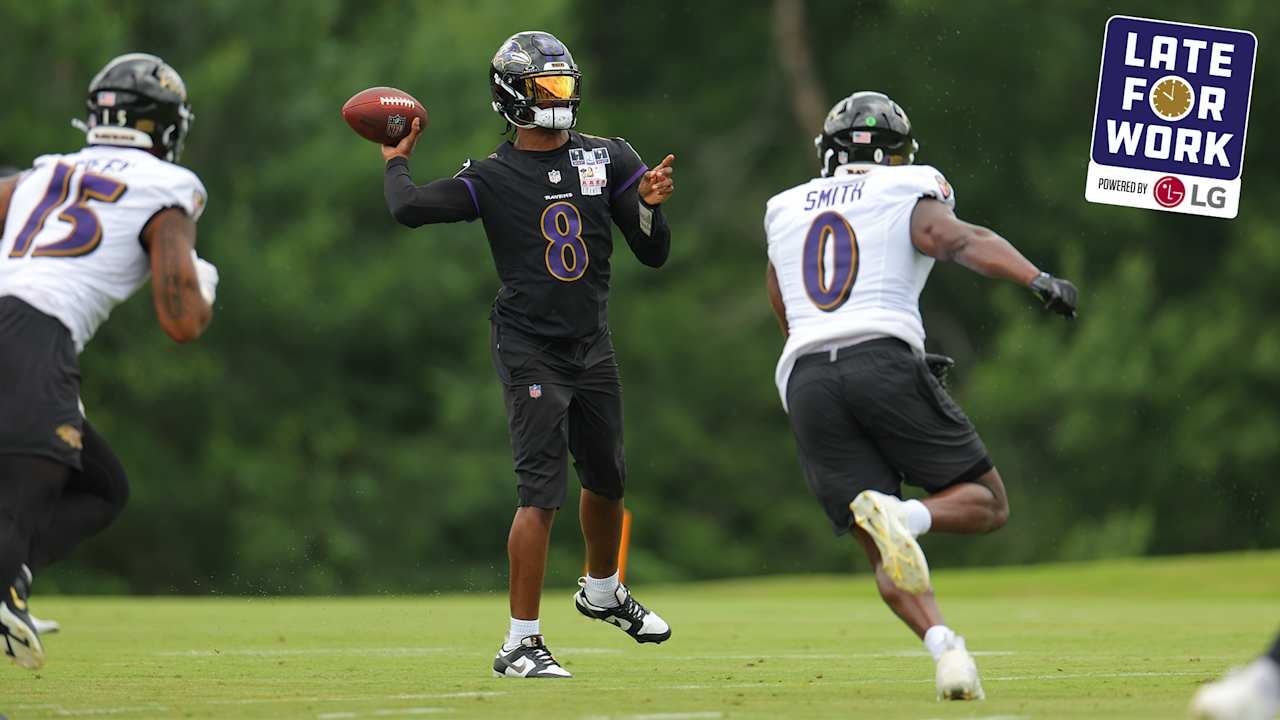
The NFL’s quarterback market does not change in isolation, and Ian Rapoport’s latest take started with that premise. In a conversation anchored to Patrick Mahomes’ historic contract extension with the Kansas City Chiefs, Rapoport argued the quarterback bar has effectively moved, and that shift will inevitably intensify attention on Lamar Jackson and the Baltimore Ravens as the organization plans for the next phase of its roster construction.
Rapoport’s point was less about a direct comparison and more about the market math. Mahomes’ extension is a benchmark-level move that resets expectations for what the league considers top-tier quarterback compensation, timing, and leverage. From there, the spotlight naturally widens, because the quarterback position is the gravitational center of every contract ecosystem in the sport, particularly for teams that build around athletic play, dynamic passing windows, and a run game designed to keep defenses honest.
Within that broader quarterback conversation, Rapoport tied the money to roster strategy. He pointed to Roquan Smith’s contractual landscape as another example of how elite positional value can ripple outward. If an inside linebacker market resets at the high end, it indicates that front offices are still willing to spend to defend the middle of the field. For a team like Baltimore, where scheme demands linebackers who can cover ground and handle coverage responsibilities, market-setting paydays can force a synchronized approach to extensions and renewals, rather than piecemeal deals that leave holes in the salary structure.
Rapoport also addressed division-level perception, specifically the AFC North. He suggested the AFC North’s collective quarterback talent has placed the group in the lower half of the league’s division rankings by quarterback quality, a framing that matters because it shapes narratives heading into the season. The storyline does not automatically determine results, but it does influence how fans and media interpret each team’s risk tolerance, offensive creativity, and urgency to add impact players. In that context, the Ravens’ title trajectory becomes more than a field goal and a postseason run, it becomes a question of whether Baltimore can translate its roster decisions into answers that stand up under scrutiny.
For Lamar Jackson and the Ravens, the practical takeaway from Rapoport’s argument is that the quarterback market’s new reference point raises both expectations and bargaining complexity. Even when contract details are not being reported in the moment, market benchmarks change the range of outcomes. That can affect how teams prioritize cap management, whether they pursue long-term extensions or maintain flexibility, and how they build a supporting cast that can sustain both regular-season production and playoff-caliber execution.
There is also a second-order effect, the one that often gets overlooked. When a team with a franchise-caliber quarterback secures a landmark deal, it can stabilize the organizational plan and reduce internal uncertainty. That stability, in turn, can strengthen negotiating posture on other positions, including core defenders and skill players whose roles depend on quarterback consistency. Rapoport’s emphasis on Smith, and on how inside linebacker value can move, points to that broader philosophy: paying the right defenders and keeping the scheme intact helps a quarterback’s performance stay repeatable.
What to watch next is how quickly the league treats Mahomes’ extension as a new pricing model. The quarterback headline will do most of the work, but the more revealing developments will come from contract conversations across the roster. For Baltimore, the immediate question is how the Ravens balance the quarterback-driven market reality with the cost of maintaining elite coverage principles, especially in games where opponents try to attack the seams and force linebackers into high-leverage matchups.
Why It Matters
- A new quarterback benchmark changes what teams believe they must pay, which affects contract leverage and planning timelines.
- If inside linebacker markets move, it can force teams to re-evaluate how they retain core defensive pieces without disrupting salary structure.
- Narratives about division quarterback strength influence how each franchise is judged and how urgently it is expected to prove itself.
- For the Ravens, the quarterback spotlight affects the team-building approach, especially around maintaining coverage integrity in high-leverage games.
Sources
Key Facts
- Ian Rapoport framed Patrick Mahomes’ historic contract extension with the Kansas City Chiefs as a reset of the quarterback market.
- Rapoport’s analysis connected that quarterback reset to increased attention on Lamar Jackson and the Baltimore Ravens.
- Rapoport discussed Roquan Smith as an example of how a market shift for inside linebackers could affect team contract planning.
- Rapoport characterized the AFC North as landing in the lower half of division rankings by quarterback talent.
- The underlying theme in Rapoport’s comments was how market benchmarks drive both quarterback expectations and broader roster-building priorities.