
THE APEX TIMES
Illinois Basketball’s Fifth-Year Question, and What an Extra Piece Would Mean in 2026-27
With the Illini holding a roster spot in reserve, the program’s staff is weighing whether a veteran addition would improve fit, depth, and continuity for a team that expects to contend again.
Illinois is back in the roster conversation that defines August college basketball: whether a fifth-year player is worth the scholarship investment for 2026-27. Yahoo Sports reported that the Illini have room to add to the roster, noting that as of mid-August Illinois lists 14 players and that head coach Brad Underwood previously confirmed the program has “a roster [spot] open if we need it.” The question is not whether Illinois can add, but whether it should, given what a projected contender typically gains and what it risks by changing personnel late in the process.
The fifth-year option has become a regular feature of roster planning since the modern transfer era made player movement more common and more immediate. For a team preparing for another high-stakes season, the advantage of a veteran addition is usually straightforward: experience in pressure moments, a more certain role definition, and a quicker path to effective minutes. The potential downside is also familiar. A late addition can complicate rotations, add another body to a group that must develop chemistry in preseason practice, and dilute reps for younger players who are expected to contribute as the calendar turns toward conference play.
Illinois’ position is especially interesting because the program is already positioned as a team built to contend. According to Yahoo’s report, the Illini do not necessarily “need” another player in a purely talent-based sense. That shifts the emphasis from overall roster quality to specific team needs, such as addressing fatigue risks in heavy minutes roles, tightening matchups against physical opponents, or smoothing out substitutions in games where foul trouble and late-game possessions can determine outcomes.
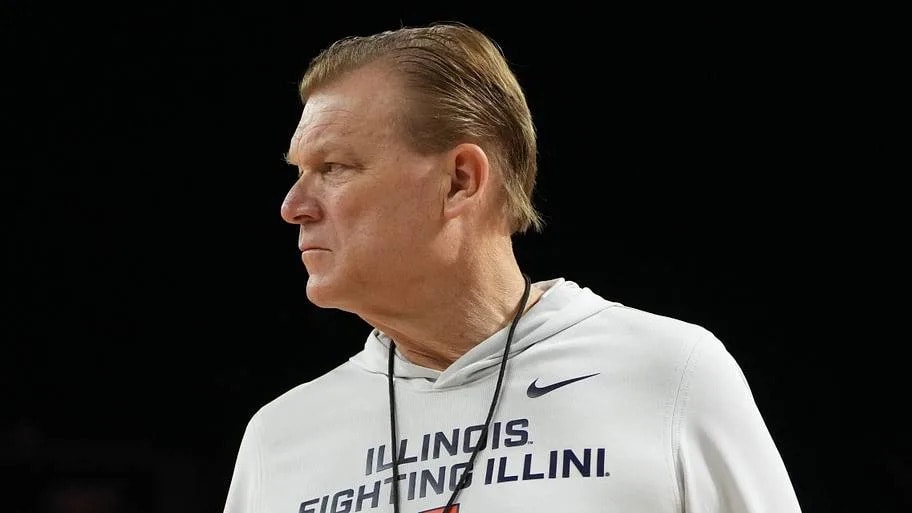
Underwood’s comment about having an open roster spot, first noted in late June, frames Illinois’ stance as flexible rather than fixed. The staff can keep options open without committing to a particular path, which matters in a period when the transfer market can change quickly and when available fifth-year candidates may vary based on their own priorities. Even for a contender, there is a window where waiting can be useful, because the right fit often appears only after other teams make their decisions.
Still, the best-case fifth-year signing is rarely just about adding experience. It is about adding experience in the right way. A veteran guard who can run offense differently from the current group can help in late-game sequences. A veteran big can influence rebounding and rim protection in specific matchups. A veteran wing might provide steadier perimeter defense if the existing depth chart becomes thin due to matchup-based lineups. The Illini, as described by Yahoo, must decide whether any fifth-year availability aligns with their style and rotation needs well enough to justify the change.
For now, the most reliable information is Illinois’ stated flexibility and the roster count Yahoo cited, not the identity of any specific target. That means the next move to watch is not only whether the Illini eventually add a fifth-year player, but also how the program approaches preseason planning if it does. If Illinois remains at 14 players, it will suggest the staff believes internal development and the current roster balance are sufficient. If it does add, the key question for 2026-27 will be role clarity, specifically how the fifth-year piece fits into the Illini’s substitution patterns and closing lineups as Big Ten play approaches.
Why It Matters
- A fifth-year addition can change rotation quality, especially in late-season games where depth and experience often decide close contests.
- For a projected title contender, the cost of an extra body is often fewer reps for younger contributors, so the fit has to be precise.
- Illinois’ roster flexibility may also reflect how the staff plans to manage preseason development before conference matchups intensify.
- Whether Illinois adds or stands pat will influence how the Illini’s season narrative starts, including expectations for continuity versus rapid adjustment.
Key Facts
- Yahoo Sports reported that Illinois had a roster count of 14 players as of mid-August ahead of the 2026-27 season.
- Head coach Brad Underwood previously confirmed the program has “a roster [spot] open if we need it.”
- The central issue is whether adding a fifth-year player would improve fit and depth for a team expected to contend, rather than whether Illinois can add talent.
- The decision would be evaluated through rotation needs and how an added veteran would affect reps, chemistry, and game-day matchups.