
THE APEX TIMES
In a season engineered for the playoffs, NBA preseason still matters for the next wave of rotation players
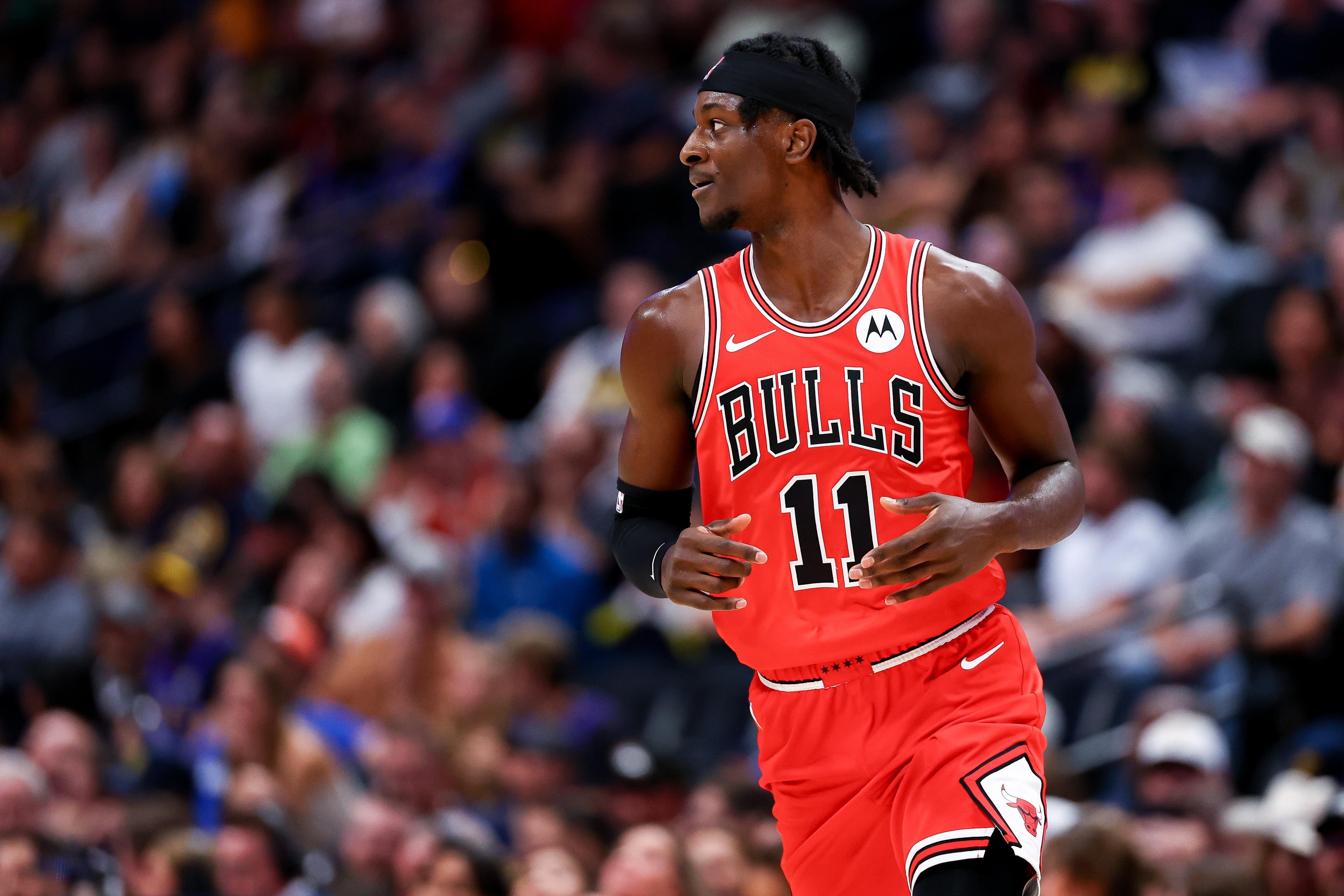
With an 82-game regular season and a lengthy postseason, the purpose of preseason is easy to dismiss. Still, for younger role players trying to earn leverage in the rotation, these early games can accelerate the leap from promise to reliable minutes.
NBA preseason is often treated like an indulgence, an extra runway layered on top of a schedule that already runs long enough to test every team’s depth. The regular season still stretches across an 82-game slate, and the calendar then tightens into months of playoff basketball for teams that keep advancing. Yet preseason games keep arriving, about five per team, and they can expose which young players have the skills and decision-making to translate practice habits into live, high-speed reps.
That distinction matters because preseason is rarely about one-night heroics. For players on the fringe, coaches and front offices are using the period to sort out roles: who can defend with consistency, who understands spacing and rotations without the reminders, and who can handle pace when the opponent’s starters are swapped out and lineups get more chaotic. The “standout” storylines that emerge tend to be less about headline production and more about whether a player looks comfortable when the margin for error shrinks.
The league’s rhythm also makes preseason meaningful in a practical way. Star players typically pace their workload, which means the most instructive minutes for emerging contributors often come when the game looks less like a rehearsed set and more like an accumulation of small, repeatable reads. Those reads show up in possessions that do not end in a box-score headline, such as recognizing when to attack a closeout, staying disciplined on off-ball coverage, and making the next pass before the defense can recover.
For teams, the value of a preseason leap is roster management as much as it is on-court performance. With so many regular-season games, the margin for relying on a short rotation is thin, especially when injuries and fatigue inevitably create openings. Young role players who can separate themselves early give coaches flexibility later, allowing starters to rest while maintaining defensive structure and spacing integrity.
Even when preseason results do not foreshadow standings, they can clarify the internal pecking order. A player who repeatedly shows the right instincts against multiple lineup combinations has a better chance of being trusted for late-game possessions and specific defensive assignments. In the postseason, those trust decisions often determine whether a team can keep its strengths intact as opponents target weaknesses.
What to watch next is whether the early momentum, if it exists, carries into the parts of the season that carry weight. The most relevant question is not who flashes first, but who earns repeat minutes once the regular season begins to compress games and tighten coaching rotations. For these “ready to make a leap” players, preseason is the audition, but the season decides whether the leap becomes a role.
Why It Matters
- Preseason performance can influence early-season rotation decisions, which shape a team’s midseason flexibility.
- With a long regular season and extended postseason, reliable bench options can protect starters and preserve matchup advantages.
- Young players who display consistent instincts may be more trusted for high-leverage defensive tasks later.
- The preseason can help clarify who can handle game-speed decision-making when lineups get unusual.
Key Facts
- NBA teams play about five preseason games each.
- The regular season is an 82-game slate.
- The postseason runs for roughly four additional months for championship teams.
- Preseason often coincides with veterans pacing themselves into shape.
- Young role players are the group most likely to benefit from preseason minutes.