
THE APEX TIMES
In Nashville, Mack Brown and football insiders dissect the new economics of building a roster
A Build-A-Roster convention in downtown Nashville put roster budgets, transfer-portal churn, and AI scouting tools under the same spotlight, with Mack Brown emphasizing the hard trade-offs behind recruiting and winning.
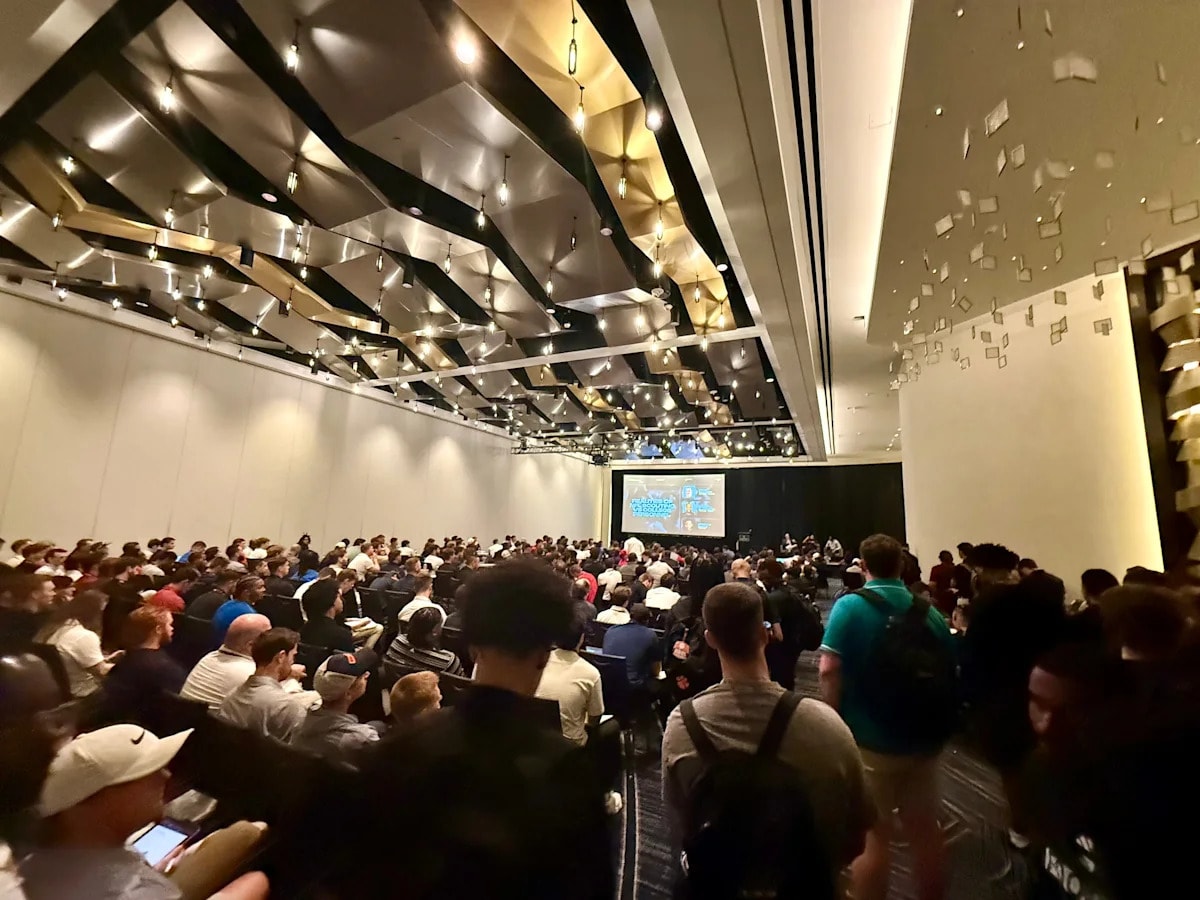
Inside college football’s annual arms race for talent, money is no longer the only currency. At a Build-A-Roster convention in Nashville, the conversation turned to how programs plan rosters in an era shaped by the transfer portal and the sport’s shifting revenue rules. The biggest ballroom in a downtown Nashville hotel was standing-room-only as College Football Hall-of-Famer Mack Brown held court with coaches, analysts, and industry insiders on what it takes to assemble a winning roster in 2026.
Brown, now working from a position of experience and influence rather than a sideline, framed roster building as a budget problem as much as a scouting problem. In the revenue-sharing era, the “race for talent” described at the event is not just about who can recruit the most prospects, but who can sustain the roster math when players move, roles evolve, and every addition carries an opportunity cost. The Build-A-Roster theme, as presented at the event, centered on the realities of college football budgeting and the difficulty of converting recruiting plans into repeatable on-field results.
A second thread running through the gathering was the transfer portal’s effect on long-term planning. Instead of seeing roster construction as a linear pipeline, teams now have to treat the portal as both a pressure point and a strategic tool, one that can disrupt depth charts but also provide relief when evaluation lines up. Speakers and attendees discussed how programs balance immediate needs with longer development cycles, and how the portal changes the timing of roster decisions, including how staffs prioritize evaluations and roster targets.
Against that backdrop, the event also looked outward to technology. The convention’s agenda highlighted AI-powered scouting and analysis as an emerging factor in how teams evaluate prospects and compare options. The discussion did not suggest a shortcut to sound coaching, but it underscored how modern recruiting environments increasingly rely on data gathering, pattern recognition, and faster decision-making. In practice, that means programs are trying to apply more systematic methods to identify talent and reduce uncertainty, even as roster volatility keeps the evaluation window tight.
For Brown and the insiders in attendance, the key question was how all these pressures coexist. Money and AI can change the process, but building winners still requires culture, development, and fit, not simply volume. The event’s central premise was that strong recruiting and roster management are now inseparable from financial planning, personnel strategy, and the ability to adjust quickly when the market for players shifts through the portal.
What to watch next is whether teams operationalize these ideas in ways that show up on the field. The convention suggests the next competitive edge may come from staffs that can marry disciplined budgeting with effective player evaluation and rapid adaptation. If AI tools continue to influence scouting workflows, and if roster plans increasingly account for portal movement from the start, the gap between programs may widen based on decision-making speed and consistency, not only recruiting reach.
Why It Matters
- Roster construction is becoming a year-round finance and personnel strategy, not just a seasonal recruiting effort.
- Portal volatility increases the value of staffs that can both evaluate quickly and manage long-term depth-chart development.
- The integration of AI scouting tools could change how quickly programs identify and compare prospects, shifting recruiting advantages toward process efficiency.
Sources
Key Facts
- A Build-A-Roster convention was held in downtown Nashville with an audience described as standing-room-only.
- College Football Hall-of-Famer Mack Brown appeared as a central figure at the event.
- The event discussion focused on roster budgets in college football’s current revenue-sharing environment.
- Attendees discussed the transfer portal’s impact on how programs plan and build rosters.
- AI-powered scouting and analysis were highlighted as part of modern roster evaluation and decision-making.