
THE APEX TIMES
In the lab: An alternative look at offensive efficiency, where the Astros’ early-base-loading says more than the box score
A striking early-inning sequence raises a familiar question for MLB teams: when you put runners in scoring position but do not convert, what does that do to offensive efficiency, and what role do home runs actually play in the equation?
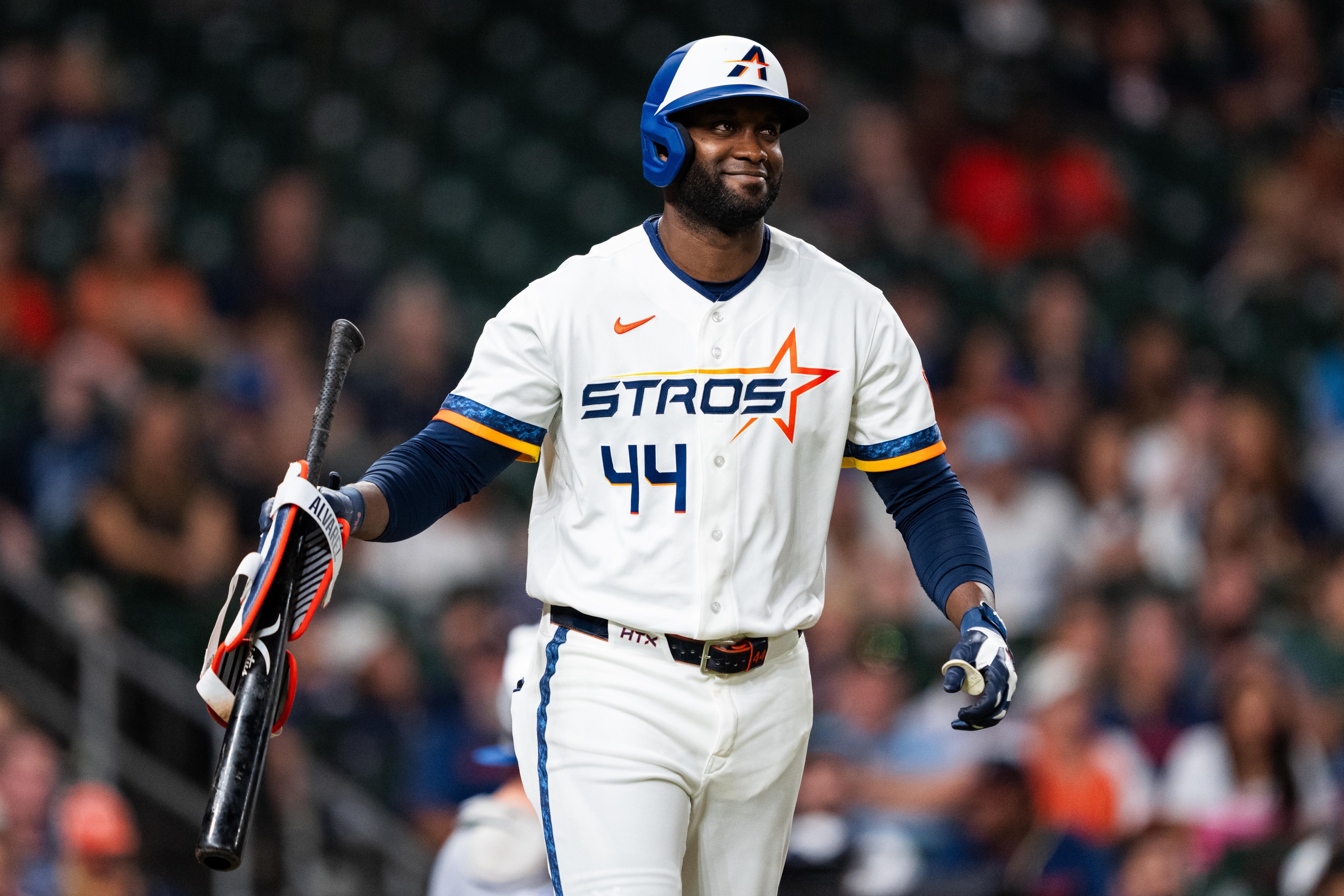
The Astros’ offense is often evaluated through the results it produces, but a recent look at one game sequence zoomed in on the process itself and asked what “efficiency” really means. In the early innings described in the report, Houston loaded the bases twice in the first two innings, yet came away with only one run across those opportunities, finishing with just one out recorded between the two base-loaded chances. The point was not that the Astros failed to create looks. It was that they created looks and then did not cash them in at the same rate, which is where efficiency debates usually start.
That contrast matters because offensive efficiency is, at its core, about converting chances into runs, not simply generating volume. Base loading is a form of opportunity, and opportunity can come from discipline, extra bases, patience, and the ability to reach ahead of the final out. But once those runners are on base, the offense has to translate leverage into scoring. When a team repeatedly reaches the “high-leverage” starting point of the inning and still comes up short, analysts often interpret it as either poor finishing skill, poor luck, or a gap between shot quality and run quality.
The article’s other organizing idea is the connection between home runs and efficiency. Home runs are sometimes treated as a shortcut metric because they are self-contained in a way that many non-homers are not. A ball hit over the fence bypasses the need for subsequent base-running, plate discipline on the next pitch, and extra plate appearances with runners in motion. The tradeoff is that relying on homers can distort what an offense “should” look like if you are evaluating it beyond raw slugging outcomes. The report frames home runs as part of a broader efficiency discussion, not the whole definition.
For the Astros specifically, the early-inning example also highlights a common rhythm issue: loading the bases creates a chance to score, but it does not guarantee that the team will score quickly. Even when hitters make solid contact or work counts effectively, the inning can still stall if the ball is turned into outs, if double plays arrive at inopportune times, or if the defense makes the kinds of plays that turn a promising sequence into a brief one. The report’s wording about “leaving” baserunners underscores the idea that the process can look productive without being productive enough.
What makes this kind of statistical “lab” framing useful is that it challenges the comfort of single-number thinking. Offensive efficiency, depending on the approach, can be measured with ratios, run expectations, or conversion rates. But any method has to decide what to do with events that sit in the gray area between outcomes, such as productive outs and sequencing-driven swings. Two base-loaded scenarios can look identical on paper even if the context, number of outs remaining, batter quality, and pitch-to-contact outcomes differ underneath. The report’s spotlight on an early two-innings stretch is essentially a reminder that the story of an offense can live inside small windows of opportunity.
At the same time, it would be a mistake to treat one sequence as a long-term diagnosis. Baseball is noisy, and base runners do not always result in runs even for elite offenses. A team can “underperform” a stretch and later regress toward a more expected conversion rate, or it can “overperform” and then look less efficient in hindsight. If you are tracking offensive efficiency over a season, one game is best read as evidence of a theme, not proof of a trend.
Still, for Houston’s fans and front-office-minded analysts, the takeaway is clear: the Astros can manufacture high-leverage situations, but conversion is the part that separates efficient scoring from stranded potential. The next watch point is whether the team’s run production in similar leverage states steadies, particularly as pitchers and defenses adjust and as the batting order’s sequencing effects become more consistent across games.
The broader MLB implication is that home runs, while valuable, can over-simplify efficiency if they are used as a proxy for everything else. The report’s premise suggests a more layered evaluation: an offense’s efficiency should reflect not only whether it clears the bases, but also how often it turns runners-on-base moments into runs across varied contexts. That is a practical question for October-caliber teams, because playoff baseball compresses time and multiplies the cost of failing to convert early opportunities.
Why It Matters
- Base loading is a meaningful setup event, so repeated failures to score from it can indicate a conversion gap even when the offense creates opportunities.
- How teams convert high-leverage situations can shape standings outcomes in late-season races.
- Discussions of offensive efficiency often hinge on whether home runs should be treated as a catch-all measure or one piece of a larger evaluation.
- Sequencing and context matter, so process-oriented looks can provide perspective beyond final totals.
Key Facts
- The report describes an Astros game in which Houston loaded the bases twice in the first two innings.
- Across the two base-loading opportunities, the team totaled one run and had a combined one out recorded.
- The piece frames offensive efficiency as a concept that can be tested by specific game sequences.
- The report connects the discussion of offensive efficiency to the role home runs can play in converting scoring chances.