
THE APEX TIMES
Inbox: Why joint practices can help, even if they do not replace the preseason’s evaluation value
A Packers.com reader weighs the limits of live contact in joint practices, arguing they cannot equal the game tape produced in a preseason setting.
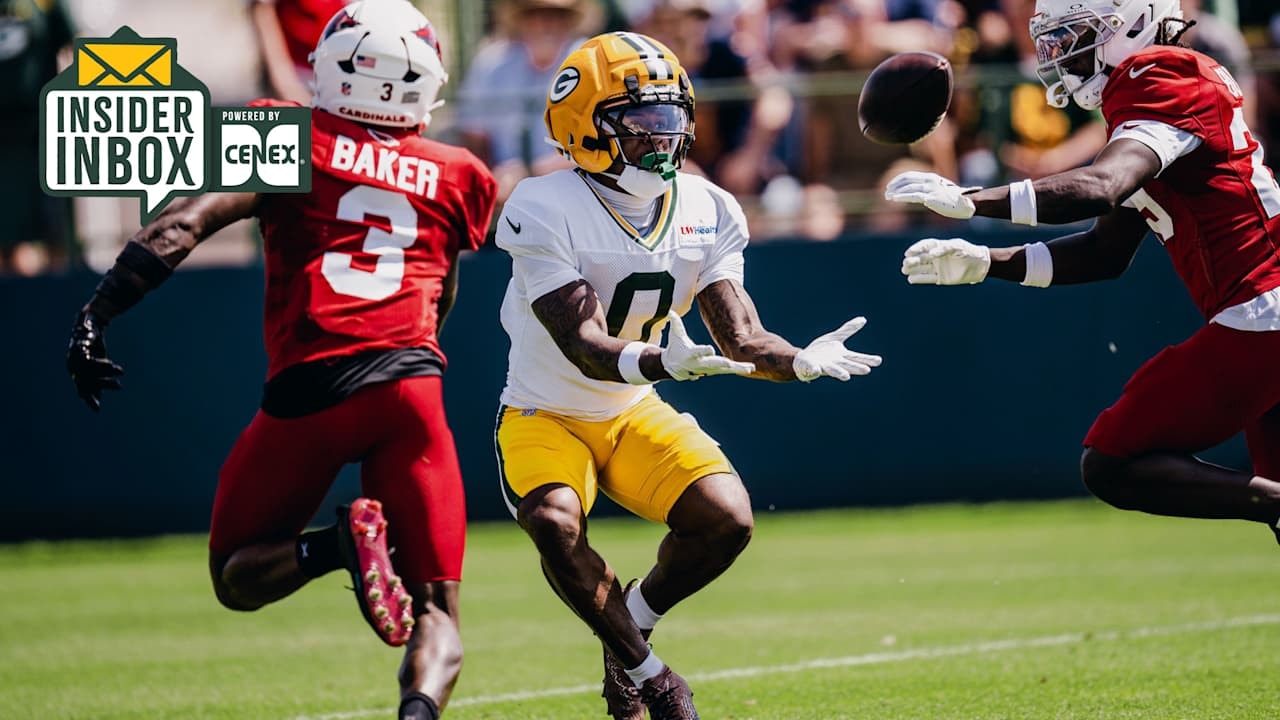
In this week’s Inbox, a reader tackles a practical question for the NFL evaluation cycle: how much live contact is actually available when two teams share practice reps, and can joint practices do what preseason games do for coaches and players. The reader’s core point is straightforward, joint practices have value, but they do not mirror the full range of variables that show up once the hand is dealt in a true preseason contest.
The reader questions whether the differences are matters of intent or mechanics. They point to the common practice of protecting quarterbacks from hits, essentially assuming the starter is “red-shirted” during live segments, but then press the harder issue: what do defenders and special teams actually learn from tackling and physical exchanges if key players are limited in how they can be hit and how they can be tackled. In the reader’s framing, the safest answer is not that joint practices are useless, but that they are inherently different from a game environment designed for evaluation.
Their comparison is rooted in how coaches build decision-making confidence. Preseason football, while still distinct from the regular season, forces multiple layers of risk and realism at once: game-speed timing, stance-to-stance transitions under fatigue, sustained drives, and the communication pressure of live scoring contexts. Joint practices, by contrast, are structured around rehearsed situations, a controlled pace, and a shared agreement on what contact looks like. Even when both sides want competitive football, the practice format still carries fewer uncontrollable elements than a matchup.
The reader also argues that the “cards” analogy matters. Not everyone knows what they are really measuring until the action is on the field and the evaluation is made with full-body football rather than selected reps. That is the tension underneath the Inbox question, joint practices can teach the fundamentals, but they may not fully answer the same questions that a preseason game answers about readiness, discipline, and the ability to execute under pressure.
What makes the discussion relevant beyond one team is that joint practices have become a regular feature of modern training camps, often used to tighten timing between unfamiliar opponent looks and to increase the number of live-action moments for both offenses and defenses. Teams benefit from the repetition against different schemes, and players benefit from seeing real personnel alignments rather than getting the same look over and over against their own roster.
Still, the reader’s skepticism reflects a legitimate evaluation problem for staffs. If starters are constrained, or if live contact rules limit certain kinds of tackles, then the measure changes. One can gain clarity about preparation and technique without gaining the same evidence about who can sustain contact across a longer sequence of snaps. The difference may be academic on paper, but on the roster decisions that come later, it can matter.
For what to watch next, the question is not whether joint practices are “better” than preseason games, but whether each tool is being used for the right purpose. Joint practices can be a catalyst for competitive readiness and schematic adaptation, while preseason games can be the final proving ground for how players respond when the structure loosens and the evaluation is made in a full matchup setting. The Inbox debate is likely to keep resurfacing because NFL football is a game of small margins, and the evaluation process turns those margins into roster reality.
Why It Matters
- Joint practices are used across the league to increase competitive reps, so questions about contact and realism directly affect how teams evaluate readiness.
- If key players are limited, the staff’s evidence base for certain decisions (especially regarding who handles live physical situations) may rely more heavily on game tape.
- The debate reflects a broader roster-evaluation challenge in the preseason, where not every snap carries the same information.
Key Facts
- The story is based on an Inbox column published by on August 27, 2026.
- The reader argues joint practices are valuable but cannot equal preseason games for evaluation purposes.
- The reader raises concerns about how live tackling and contact work in joint practices, especially regarding quarterbacks.
- The reader suggests quarterbacks are often limited during live periods, which affects what defenders can evaluate.
- The central question is what, if anything, joint practice contact can measure compared with preseason game action.