
THE APEX TIMES
Indiana Fever’s MVP push for Caitlin Clark sparks debate about “split the votes” dynamics, WNBA analyst says
As the Indiana Fever’s social media activity turns attention toward MVP talk, a league analyst argues that the way attention is directed could complicate Caitlin Clark’s path to the award.
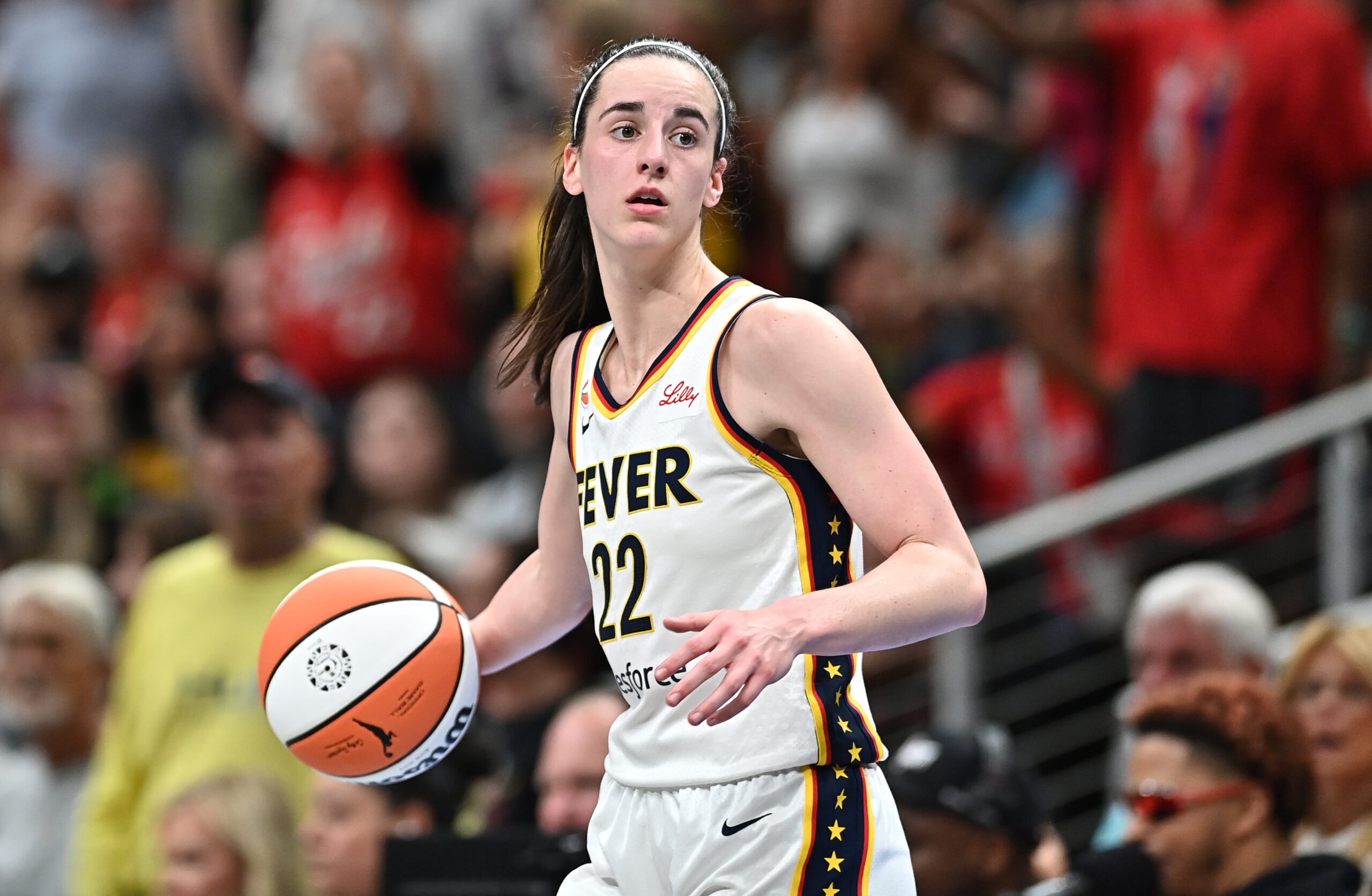
The Indiana Fever’s approach to the MVP conversation has become a point of contention, with a Yahoo Sports report highlighting what it described as posts aimed at canvassing voters for the league’s top-player candidates. Caitlin Clark, the Fever’s centerpiece and a frequent focal point in end-of-season award discussions, is at the center of the debate in that coverage.
The Yahoo Sports piece frames the issue as a voter-allocation problem. The article’s premise is that if multiple players are being promoted as MVP candidates at the same time, it could encourage voters to spread their support rather than consolidating behind a single player. In that scenario, the report suggests Clark’s chances could be undermined even if her name remains prominent in the broader public conversation.
The report attributes the “split the votes” concern to a WNBA analyst, who argues that how a team manages messaging and the broader narrative around player candidacies can affect award outcomes. While the MVP race is often discussed in terms of individual production and highlight games, this view emphasizes that the mechanics of recognition also matter, especially when multiple deserving players pull at the same electorate.
Beyond the voting theory, the situation also raises a familiar question for fans and media during award season: how do teams balance collective success messaging with individual-award campaigning? In the Fever’s case, any roster featuring multiple high-impact contributors can make it harder for voters to agree on one “most valuable” player. The Yahoo report suggests Fever messaging may have the unintended effect of splitting attention among several candidates, even as Clark remains the primary figure in the MVP storyline.
It is also important to note what this debate is and is not. The Yahoo Sports coverage spotlights concerns and interpretation, not an official change to league award criteria, and it does not, in the information provided here, establish any verified causation between team posts and award results. As a result, the claim is best understood as a pointed analysis of voter behavior, not a confirmed explanation of how voters will ultimately decide.
For Clark and the Fever, the practical takeaway is straightforward, and it will be tested as the league moves further into the award stretch. If voters treat the MVP as a single-winner vote where consolidation matters, Clark’s case could hinge on whether the public narrative narrows toward her as the clear choice rather than widening to include other simultaneous storylines. What to watch next is whether the Fever’s messaging continues to broaden across candidates, and whether league commentary and fan discourse follow a pattern that supports one-player dominance or multi-player distribution.
If the “split the votes” critique proves influential, it could also shape how other teams approach award-season publicity. For now, the controversy is less about Clark’s stature and more about the campaign environment surrounding her, a reminder that even elite seasons can be filtered through the politics of attention. Whether that lens ultimately favors Clark will become clearer as the MVP discussion crystallizes.
Why It Matters
- Award races are not decided by statistics alone in how they are discussed publicly, and messaging can influence voter narratives.
- If voters divide support across multiple candidates, even a frontrunner can face a harder path to a single-winner outcome.
- The episode reflects a broader tension between promoting individual excellence and reinforcing team-wide value.
- For the Fever, the way the MVP story is packaged may become part of how the league evaluates and remembers their season.
Sources
Key Facts
- The Yahoo Sports report highlights Indiana Fever social media posts that it describes as aimed at canvassing voters for MVP candidacies.
- Caitlin Clark is presented in the report as the leading figure in the Fever’s MVP conversation.
- The report discusses the idea that promoting multiple candidates at once could affect award outcomes via “split the votes” dynamics.
- The “split the votes” framing is attributed to a WNBA analyst in the Yahoo Sports coverage.
- The controversy, as described, is based on messaging strategy and voter behavior interpretation rather than any stated change to MVP criteria.