
THE APEX TIMES
Indiana’s 2027 recruiting board leans on wide receiver firepower as Curt Cignetti’s rise continues
A look at the Hoosiers’ 2027 class focus suggests Indiana wants to protect the offensive identity that fueled its championship run, with elite attention coming to its receiving corps.
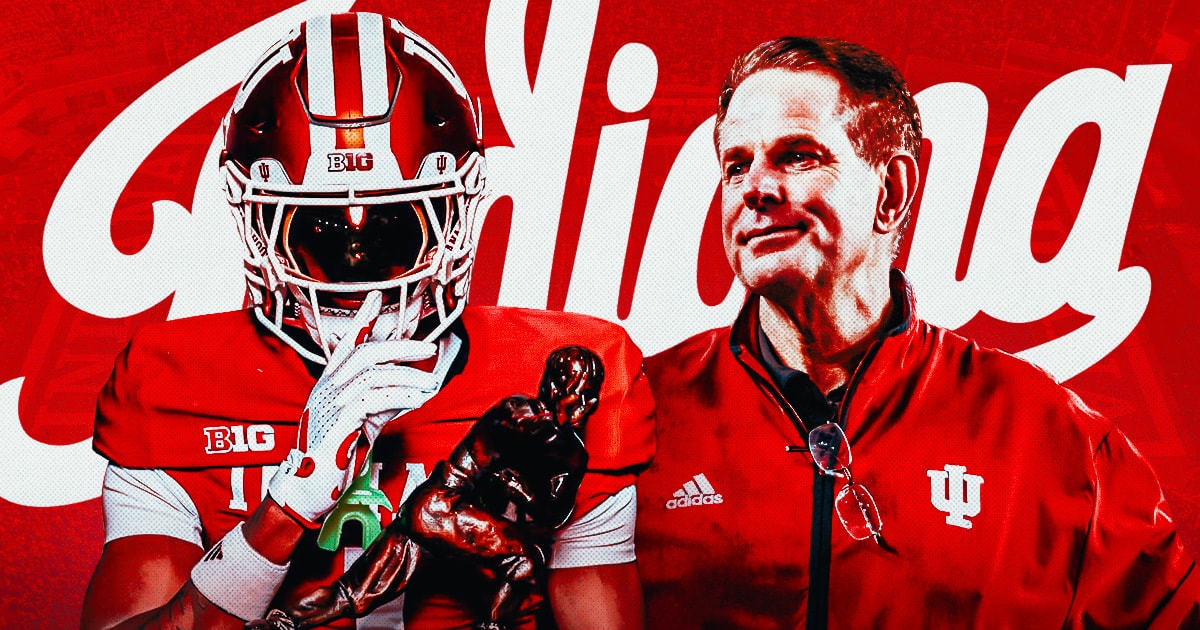
Indiana’s recruiting pitch for 2027 is built around a simple idea: keep the championship offense stocked, especially at wide receiver. Curt Cignetti’s Hoosiers have moved into national recruiting territory following their national championship, and the early emphasis in their pledge list is centered on high-end speed and separation at receiver.
The recruiting story is also about momentum within the Big Ten. Indiana’s plan is described as continuing a step forward from last cycle, when the program signed a top-30 class, a report that the staff is not simply harvesting short-term gains but trying to turn success into sustained roster quality.
Wide receiver recruiting matters in Cignetti’s framework because it impacts both the passing ceiling and the spacing that opens up play-action looks and chunk runs. When a program brings in multiple high-upside targets, it can distribute route concepts more aggressively, keep defenses from keying on a single matchup, and maintain the same offensive tempo even as personnel changes.
What makes the 2027 board notable is the positioning language around it. The class breakdown frames the Hoosiers as “defending champs,” and that choice of words matters in recruiting. Programs that have recently won titles can sell certainty: the staff, the systems, and the development pathway are already validated in high-pressure games.
At the same time, recruiting timelines are fluid. A class breakdown is best read as a directional snapshot, not a final roster guarantee. Indiana’s pledge list for 2027 is likely to be shaped by visits, in-season evaluation, and the way prospects respond once summer camps and early fall availability clarify depth charts.
Indiana’s rise also carries a strategic pressure point for the rest of the conference. If the Hoosiers can keep stacking advanced receiving talent while maintaining quarterback and protection development, they can sustain the type of scoring profile that tends to separate championship teams from the pack. In the Big Ten, where game plans often tighten as the season progresses, having multiple creators at receiver becomes an advantage.
For now, the key question is whether Indiana can convert recruiting attention into repeatable on-field production quickly enough to keep the class’s “headline” targets invested. The 2027 emphasis on elite receiver talent suggests the staff believes it can build a multi-year offensive identity rather than relying on a single wave of stars.
As the next few recruiting months develop, the most important things to watch are confirmation of pledges, the balance between possession and deep-threat profiles, and how receiver recruiting aligns with the quarterback recruiting and offensive line needs that must fill out for the full class to land together.
Why It Matters
- Wide receiver talent can define an offense’s explosive capability, affecting both passing explosiveness and the spacing that supports the run.
- Sustained high-end recruiting is often what separates a championship team from a one-cycle peak, especially in a conference as deep as the Big Ten.
- If Indiana continues to land elite receivers, it can keep matchup advantages through multiple seasons as personnel changes.
- Early 2027 class indicates can influence recruiting pipelines for quarterbacks and supporting positions that must complement a receiving corps.
Key Facts
- Indiana’s 2027 recruiting class is being evaluated through the lens of wide receiver priorities.
- The class breakdown ties Indiana’s recruiting momentum to a national championship and the continued influence of head coach Curt Cignetti.
- The report describes Indiana as having signed a top-30 class last cycle, indicating recruiting momentum beyond a one-year spike.
- The 2027 discussion frames Indiana as “defending champs,” emphasizing the program’s ability to recruit on recent success.
- The wide receiver focus is presented as a central feature of Indiana’s blueprint for its next roster build.