
THE APEX TIMES
Indiana’s nonconference slate leans into home-state stops, setting a local tone for Darian DeVries’ second season
The Hoosiers have released their nonconference schedule with games staged across four Indiana venues, a move designed to keep more of the fanbase close to campus and to bring additional regional matchups into the season’s early rhythm.
Indiana basketball has set a different kind of early-season stage for the 2026-27 nonconference schedule, aiming to satisfy local fans with a slate that will be played across multiple sites around the state. The plan, as outlined in the schedule release, centers on IU hosting games at four different venues in Indiana rather than relying on a single home arena throughout the nonconference portion of the schedule.
The emphasis on “local flavor” matters because nonconference play often sets the tone for how a team’s season will be evaluated. Early games shape perceptions of toughness and readiness, but they also determine which recruiting and community relationships are strengthened before conference games begin. By widening the geographic footprint of home dates, Indiana is effectively trying to grow the number of supporters who can attend marquee moments without a long trip, while also making the Hoosiers more visible beyond Bloomington.
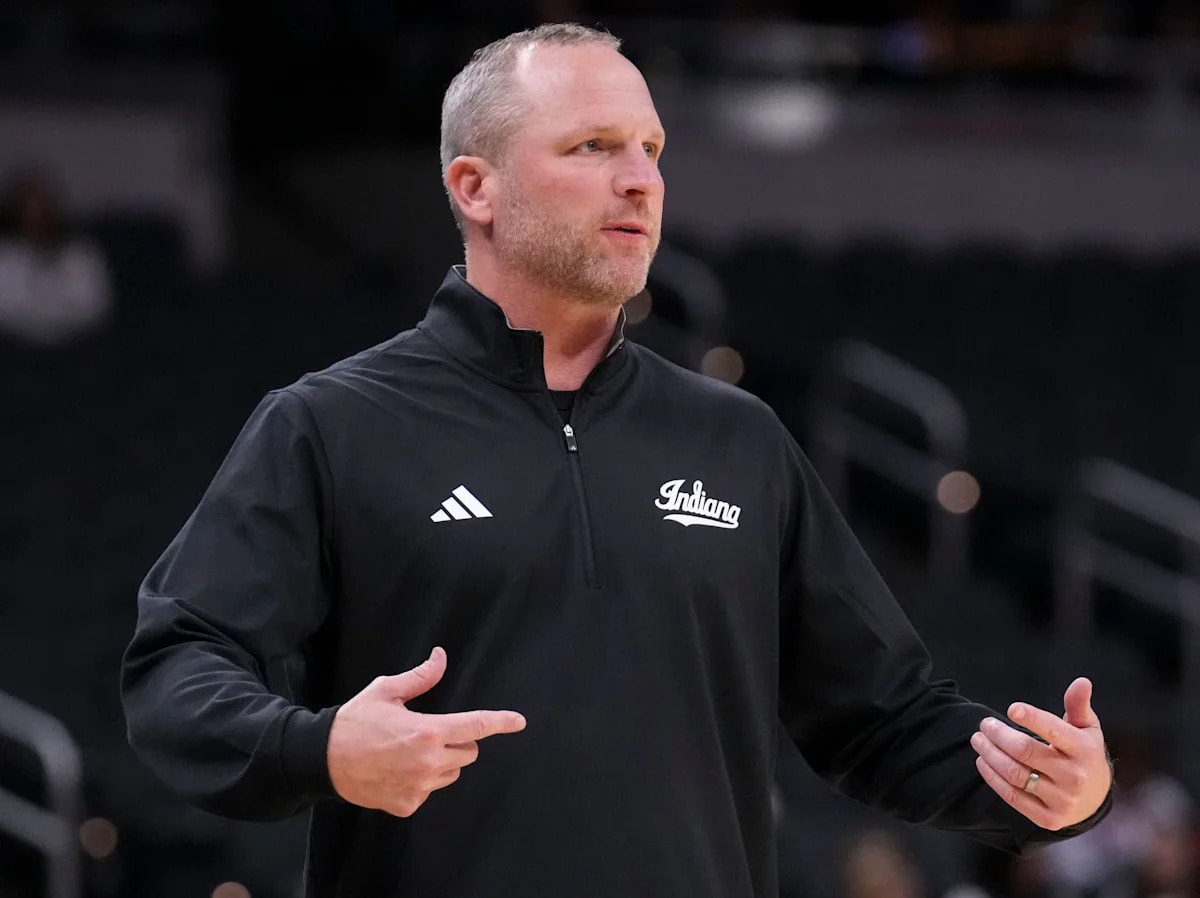
This approach arrives as Darian DeVries enters his second season running Indiana basketball. In that context, the nonconference schedule becomes more than a list of dates, it is a deployment of home-court advantage and game-day environments while the program continues to settle into its current identity under DeVries’ leadership. Hosting at multiple Indiana venues can also create a different feel from arena to arena, affecting the day-to-day experience for both the team and traveling opponents.
The most concrete details in the release, beyond the “heavy local flavor” framing, focus on where the Hoosiers will host. Indiana will stage nonconference contests at four separate Indiana sites, giving fans in different parts of the state a closer connection to the program’s early schedule. The multi-venue plan is also a report of intent to keep the season feeling statewide, not concentrated in one location for the entirety of the nonconference stretch.
While the schedule release described the overall concept, it did not change the baseline reality that the nonconference segment is where programs typically test themselves with a mix of opponents, time zones, and travel demands. Those elements are often just as important as venue selection for building a team’s game-readiness. For Indiana, the four-venue home structure is one factor that could make early performances feel more “local,” even if the outcomes still come down to execution on the court.
Fans watching this season will likely key in on two things as the schedule gets followed up with complete venue-by-venue logistics. First, how quickly Indiana’s style translates across different home settings, since shifts in spacing, crowd composition, and routine can matter over a full season. Second, whether the statewide approach helps drive attention and attendance in communities outside Bloomington, a common goal for programs trying to strengthen a recruiting footprint and sustain interest through the entire calendar year.
For now, the key takeaway from the schedule release is the philosophy: Indiana is attempting to bring more of its nonconference action directly to home audiences across Indiana. With DeVries in his second season, the Hoosiers’ early slate will be watched not only for results, but for how the program leverages its home dates to build momentum before Big Ten play begins. For more specifics, including the identity of the opponents and the exact venue list, readers may need to consult the full official schedule details as they are finalized and posted by the university and athletics department.
Until the full schedule and venue breakdown are confirmed in an official listings format, any deeper interpretation about competitiveness or specific marquee matchups should be treated cautiously. What is clear from the release framing is the geographic strategy, and that alone is enough to reshape how many local fans experience Indiana basketball in the nonconference stretch.
Why It Matters
- Nonconference scheduling shapes early-season evaluation and momentum before conference play begins.
- Hosting at multiple Indiana sites can increase accessibility for fans, which may influence atmosphere and community engagement.
- As Indiana’s coaching staff settles into DeVries’ second season, venue flexibility becomes part of the team’s overall operating rhythm.
- A statewide home footprint can help the program strengthen visibility and recruiting influence beyond Bloomington.
- How Indiana performs across different home environments could become a storyline as Big Ten play approaches.
Sources
Key Facts
- Indiana has released its nonconference schedule with games hosted at four different venues around Indiana.
- The schedule release characterizes the slate as having a “heavy local flavor” for Indiana basketball fans.
- The multi-venue hosting plan is part of Indiana’s season under Darian DeVries in his second year as head coach.
- The approach is designed to widen fan access across the state during the nonconference portion of the schedule.