
THE APEX TIMES
Inside the Braves’ 0-2 count problem: too many hits, and a roster built to fix it
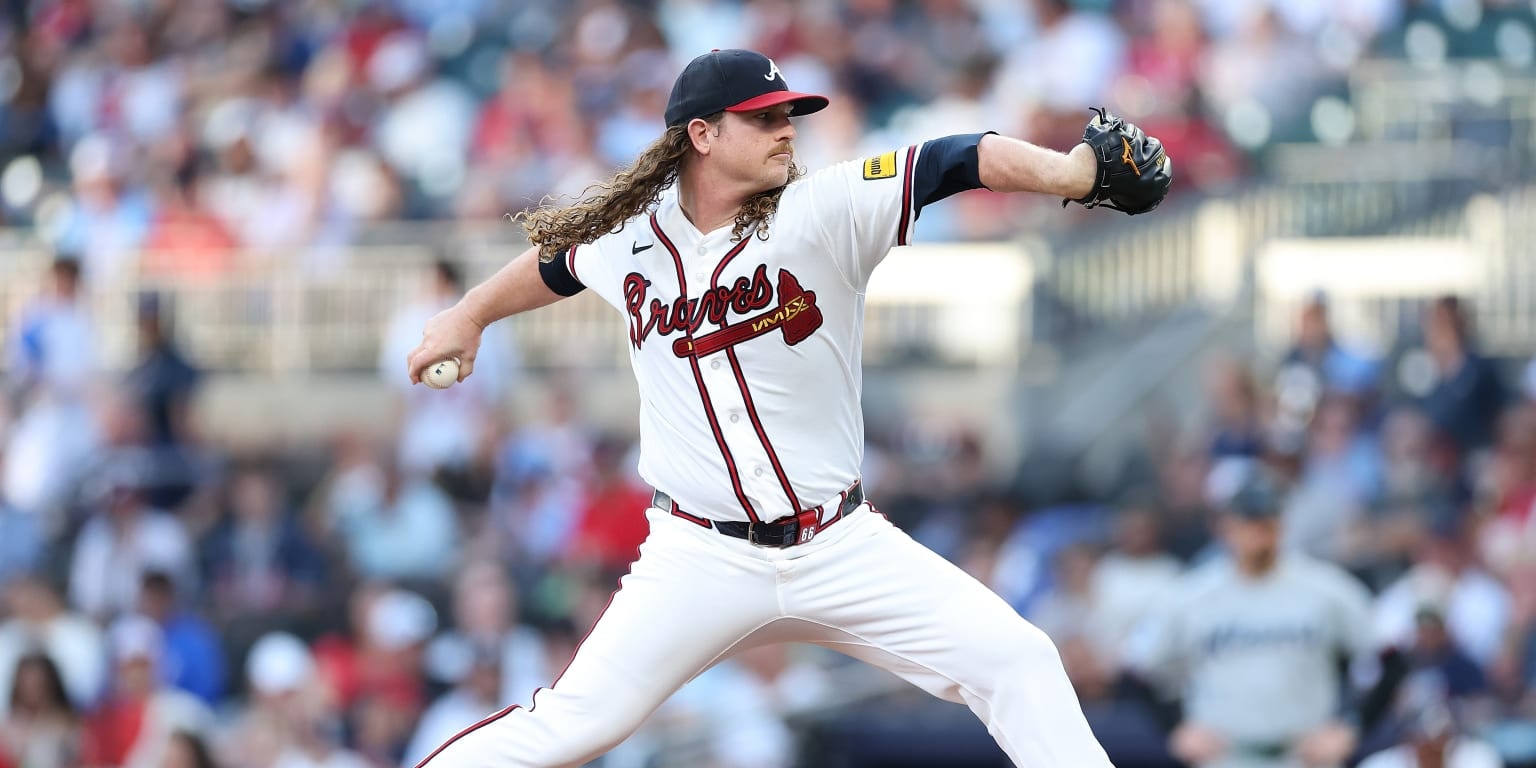
Atlanta’s search for a frontline starter at the Trade Deadline may have improved depth, but the team’s recent run of hits allowed in 0-2 counts has raised a sharper question. Can the Braves’ starters change the course of at-bats when hitters are chasing them into the most favorable pitch-count window for pitching?
The Braves are heading down the August stretch with a familiar set of questions for contenders, how often their starting rotation can keep opponents off the bases and how quickly it can change momentum after falling behind in an at-bat. In a recent look at Atlanta’s pitch-count splits, MLB highlighted that the team’s starting pitchers have allowed a notable number of hits in 0-2 counts, the moment in which hitters are facing the deepest hole and pitchers are generally expected to be most efficient.
A 0-2 count is not simply “two strikes.” It is also a tactical inflection point. With batters down in the count, pitchers typically have more strikeout-or-weak-contact options available, and hitters are often less able to wait on a particular pitch location. When hits show up anyway, it can indicate problems that are harder to solve with one move, such as pitch selection patterns, execution under pressure, or the sequencing that follows earlier mistakes in the at-bat.
MLB’s framing ties the current performance question to the context of the summer roster build. The Braves were well positioned and, by the team’s own needs, were in the market for a frontline starter at the Trade Deadline. MLB’s report notes that the club did add pitching at the time, including a depth piece in Tyler Mahle, which is the kind of transaction that can help stabilize innings and keep late-season workload from overloading the rest of the staff.
But the report also makes clear that Atlanta did not land the type of unmistakable difference-maker that many fans and evaluators were hoping to see. That distinction matters because the 0-2 count issue is rarely addressed by depth alone. Even when a rotation has reliable innings eaters, the ideal scenario for a team chasing October is to reduce the frequency of late-in-count contact. A frontline starter can change those profiles through a sharper strike rate, a higher strikeout conversion, or a more consistent ability to finish hitters once the count turns.
From a baseball-operations perspective, the Braves’ task is now twofold. First, their staff must keep opponents from reaching those counts in the first place, by tightening early and avoiding elevated pitch counts that force pitchers into predictable sequences. Second, when the at-bat does arrive at 0-2, the Braves need their starters to make the inning look different, whether that means sharper command in the strike zone, more effective swing-and-miss pitches, or cleaner patterns that reduce hitter-friendly contact.
It is also important to remember what the 0-2 split does and does not tell you. Team-level and count-level tendencies can be influenced by park factors, bullpen preservation choices, defensive positioning, and the quality of contact that still finds a hole even when pitchers execute well. Still, persistent hit rates in the most pitcher-favorable counts are the kind of trend that a playoff team cannot ignore, because small run-prevention edges compound once postseason matchups narrow down to a smaller set of opposing hitters and a tighter margin for error.
As the Braves continue through the rest of the regular season, the storyline to watch is whether the staff can bend that 0-2 profile closer to what contenders typically look for. If the rotation and pitching coaches can translate the Trade Deadline add into measurable changes in late-count outcomes, Atlanta’s bullpen and lineup depth can operate with more confidence. If not, the Braves may find themselves revisiting the same question again, this time with even less time to adjust before the schedule compresses.
Why It Matters
- 0-2 counts are a critical leverage moment for pitchers, and excess hits there can erode a team’s run-prevention advantage.
- A contender’s October odds often hinge on whether the rotation can reliably execute once it gets ahead in an at-bat.
- Adding depth can help the staff survive the stretch run, but fixing late-in-count contact typically requires sharper performance from the top of the rotation.
- If the Braves cannot improve the 0-2 profile, opponents may build more baserunners from the exact situations the staff is supposed to control.
Sources
Key Facts
- MLB highlighted that the Braves’ starting pitchers have allowed relatively many hits in 0-2 counts.
- The Braves were in the Trade Deadline market for a frontline starter.
- Atlanta added Tyler Mahle as a depth piece at the Trade Deadline.
- MLB reported the Braves did not land the kind of clear difference-maker some fans wanted.