
THE APEX TIMES
Inside the Numbers: Texas can only blame itself after Red River disappointment in the Cotton Bowl
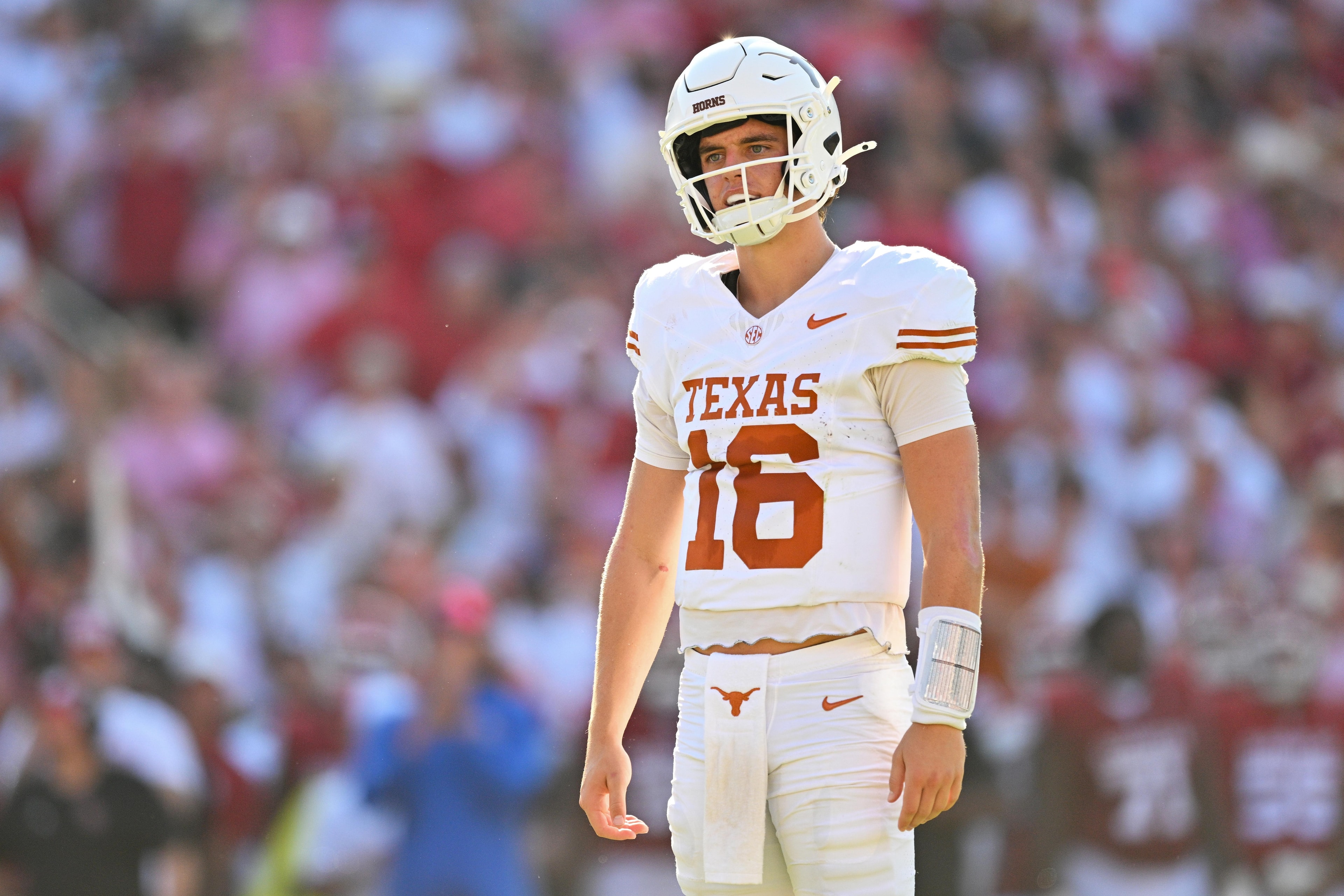
Facing Oklahoma in the annual Red River rivalry, Texas entered expecting defensive impact in the Cotton Bowl. Instead, the game’s critical margins did not line up for the Longhorns, leaving the explanation to be found inside their own execution.
Texas and Oklahoma met in the Cotton Bowl for the Red River rivalry, and the result left the Longhorns with a hard lesson about how quickly expectations can turn into accountability. The theme coming out of the loss, as outlined by Yahoo Sports’ look at the matchup, is that Texas did not lose because of a mysterious opponent advantage. It lost because the most controllable pieces did not arrive when the game asked for them.
The calculus going in was simple. Many observers expected Texas’s defensive unit, in a rivalry stage with heightened intensity, to provide the separation. That is the kind of matchup pressure where defensive efficiency, discipline, and situational decision-making often decide field position, momentum, and late-game clarity. In the Yahoo analysis, the disappointment centers on the mismatch between what was expected from the Longhorns defensively and what ultimately showed up.
While detailed box-score specifics are not included in the available summary, the wording of the analysis is telling. It describes the outing as “disastrous” and frames the debate as internal: Texas, according to the story’s premise, can only blame itself. That framing usually points to a combination of execution errors, missed opportunities, and moments where an opponent’s offense was given more room than it should have been granted.
Red River games have a particular kind of significance for program identity. Texas is not simply measuring itself against a conference opponent. It is measuring itself against an old rival, in a high-visibility setting, where preparation is expected to translate into sharper play. When a defense that is supposed to set the tone fails to do so, it forces the team to confront more than one question at once: coverage structure, third-down efficiency, and whether game-plan adjustments kept pace with what Oklahoma was running.
For Texas, the key is what “blame itself” implies for the next stretch of the season. It suggests the fix is not only schematic, but also behavioral and process-based. In other words, the work has to show up in practice habits: fewer unforced errors, sharper reads, better leverage, and more consistent execution under pressure. Rivalry games often magnify those issues because both teams play faster and fewer mistakes are acceptable.
What to watch next is how the Longhorns respond to the kind of performance that reshapes internal standards. Even without speculating on specific plays, a loss framed as self-inflicted typically leads to a focus on fundamentals and situational football. Texas will likely need to show that it can do the basics reliably, then layer on the adjustments that come after opponents expose tendencies.
The longer-term football question is whether this loss becomes an isolated stumble or a report of a deeper mismatch between expectations and on-field reality. The next meaningful games will reveal if the Texas defense can reclaim the controlling role that the rivalry preview set up, and whether the offense can reduce the number of times it relies on the defense to bail it out.
Why It Matters
- Rivalry losses carry extra weight because they set internal program standards and affect how quickly teams can reset psychologically.
- If the defensive unit does not live up to expectations in a high-profile matchup, it can change how coaches approach in-game decision-making and adjustments.
- Self-inflicted defeats usually report correction opportunities that must be addressed immediately, not deferred.
Sources
Key Facts
- Texas played Oklahoma in the annual Red River rivalry in the Cotton Bowl on Saturday.
- The Yahoo Sports analysis characterizes Texas’s performance as disastrous.
- The matchup narrative entering the game leaned on Texas’s defense to deliver impact against Oklahoma.
- The postgame interpretation emphasizes that Texas can only blame itself for the outcome.