
THE APEX TIMES
Isaac TeSlaa says Year 2 feels like the “veteran” version as Lions minicamp emphasizes timing
Detroit’s second-year receiver is starting to look more in sync at practice, highlighted by a crisp 7-on-7 post-route connection with Jared Goff.
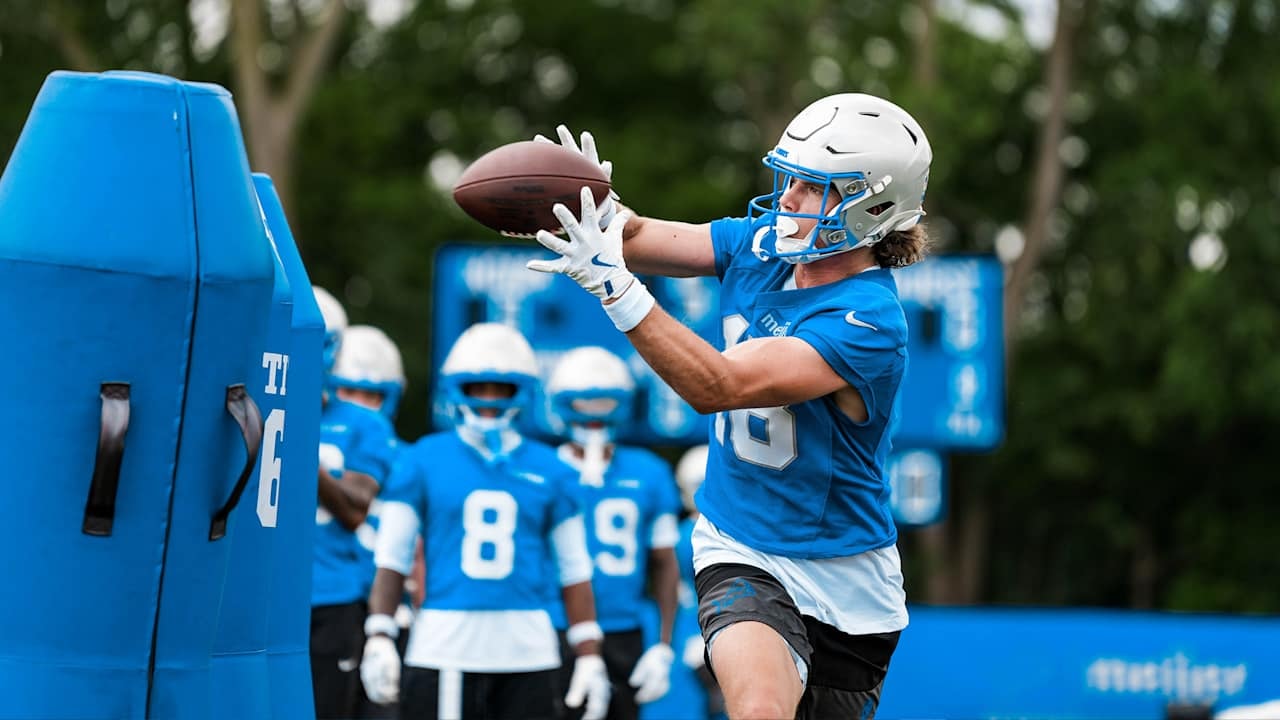
The Detroit Lions’ minicamp continued to underline a theme that matters for any NFL receiver: timing. In a 7-on-7 period, second-year wideout Isaac TeSlaa showed a level of comfort that headlined the day’s attention, describing his development into something closer to veteran routine as he settles into his second season.
The moment stood out because it was a clean separation play, not just a contested catch. Midway through practice, TeSlaa beat his defender on a post route and quarterback Jared Goff delivered the ball perfectly in stride. The result was an immediate gain after the catch, the kind of completion that typically reflects several things aligning at once: route clarity, pass accuracy, and the receiver’s ability to trust his footwork at full speed.
For TeSlaa, the emphasis was not simply that the play happened, but that it illustrated consistency. Detroit’s coaching staff can evaluate more than hands and speed in these reps. In 7-on-7 work, quarterbacks read leverage, receivers must run routes with repeatable landmarks, and timing has to be trusted early, because there is no play-action camouflage or run-game distraction. TeSlaa’s comments framed his current stage as a familiarity upgrade, the kind that often shows up when a player no longer thinks through each step and instead executes on habit.
That “second-year comfort” framing matters for the Lions because wide receiver development is often judged by how well it translates from offseason drills into regular-season throws in tight windows. The practice environment is still controlled, but 7-on-7 sessions are where a receiver’s ability to create separation and win space is easiest to spot. TeSlaa’s post-route rep with Goff was notable because post routes demand discipline, especially against tight coverage, and they usually require the receiver to win with both speed and positioning rather than just making a highlight catch.
The bigger picture for Detroit is that these early-summer reps are building blocks toward camp and the preseason, when rosters become more defined and practice emphasis shifts. When a second-year receiver can repeatedly connect the dots on route concepts and show the confidence to run them decisively, it gives the coaching staff more tools to evaluate. It also helps the quarterback because timing plays both directions: consistent route execution makes it easier for a passer to trust his release and anticipate where the ball should land.
What to watch next is whether the comfort TeSlaa described carries beyond one standout connection and shows up across different route types and coverage looks as the offseason progresses. If he continues to produce separation in similar quick-hit periods, it strengthens the case that Detroit is getting incremental growth from its young receiving group. For now, the clearest takeaway from minicamp is straightforward: TeSlaa appears closer to full-speed execution, and Goff is finding him when the timing is right.
Why It Matters
- For an NFL receiver, early comfort and repeatable route timing often determine how quickly skills transfer from drills to game-level targets.
- Strong 7-on-7 production is a practical indicator that a receiver is reading coverage and running precise landmarks, not just winning on raw athleticism.
- If TeSlaa continues to improve on schedule, Detroit gains a more reliable option in the passing game as the team moves toward camp competition.
Sources
Key Facts
- Isaac TeSlaa, a second-year Lions wide receiver, said heading into Year 2 he feels more comfortable.
- TeSlaa described his current progression as feeling like a veteran version of himself.
- During Detroit’s minicamp, a standout moment came in 7-on-7 when TeSlaa gained separation on a post route.
- Jared Goff hit TeSlaa in stride on that play, turning it into a significant gain after the catch.
- Detroit’s minicamp sequence emphasized practice consistency and timing between quarterback and receiver.