
THE APEX TIMES
Isaiah Williams wants to be known as more than a returner after Week 4 receiving TD
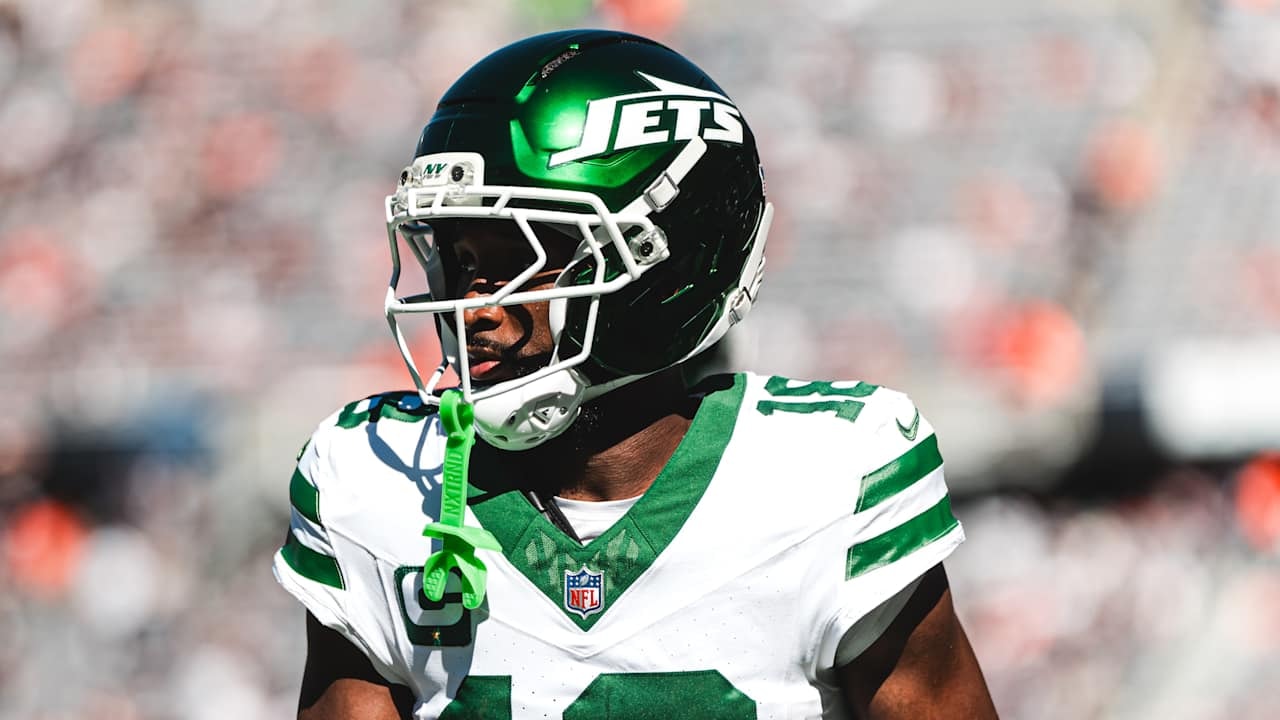
New York Jets receiver-returner Isaiah Williams said he has embraced a larger role as a wideout, following his first career receiving touchdown in Week 4.
The New York Jets are still figuring out how quickly each piece fits into their weekly plan, but Isaiah Williams made a statement of his own in Week 4. In a Jets media feature published Tuesday, Williams framed his touchdown as proof that his value is no longer limited to special teams, even though the return game was often where his name lived early.
Williams has spent his time between roles, the kind of in-between responsibility that can define a player’s reputation before the playbook fully catches up. The Jets have used him as a return option, and that work can be both high-visibility and narrowly categorized. Williams, however, said he does not want to be reduced to “Isaiah Williams the returner,” emphasizing that he wants to be viewed as a legitimate receiver.
A first receiving touchdown matters in the NFL not just because it adds points, but because it changes how coaches and defenders process a player. When a returner scores through the air, it indicates that the team trusts the player beyond the kick and punt return game and that the offense can ask for routes, timing, and separation rather than only space in open-field situations. Williams’ Week 4 receiving score set that tone, and the Jets likely see it as a step toward broader utilization.
Jets wide receiver and special teams personnel are often asked to do two jobs at once, and the transition can take time. For players who start on the perimeter of the roster, breaking through as a receiver means developing route consistency, handling coverage leverage, and executing the details that show up during film study. Williams’ comments point to that mindset shift, from making highlight returns to earning targets and touches in the passing game.
What Williams described is also a reminder of how NFL roles can evolve within a season. Even if a player’s “primary” label began on special teams, opportunity in the offense can surface when a coaching staff believes the player’s skill set translates, whether that means reliable hands, sharp decision-making, or the ability to run routes with intent. A touchdown becomes a tangible checkpoint in that process, the kind of moment players can point to when they argue that their best football is not confined to one phase.
For Jets fans, the next question is whether Williams can build on the Week 4 milestone week after week. If the team continues to view him as an option for receiving snaps, his path will depend on what happens in practices and game plans, including how often he is put in motion or on routes that match his strengths. In a league where roster roles can tighten quickly, Williams is trying to make sure the Jets keep seeing him as a receiver first, not just a returner who happens to score occasionally.
In practical terms, this is the kind of storyline that can affect both depth and play-calling. If Williams’ receiving work expands, it can widen formations and create matchup problems that ripple through defensive game plans. The Jets will still manage his workload, as they do with any player balancing multiple responsibilities, but the thrust of Williams’ message is clear: he wants his next chapter to be written as a wideout.
Why It Matters
- A first receiving touchdown can change how a team deploys a player, shifting him from a special-teams label to a two-way threat.
- If Williams continues to earn offensive snaps, it can affect the Jets’ weekly formation flexibility and matchup options.
- Williams’ remarks indicate a deliberate effort to expand his role, which can influence how coaches plan targets and routes.
- For roster building, a player who can contribute in multiple phases can become harder to replace and easier to keep on the active plan.
Sources
Key Facts
- Isaiah Williams is with the New York Jets as a returner and receiver.
- Williams scored his first receiving touchdown in Week 4.
- In a Jets media feature, Williams said he does not want to be known only as a returner.