
THE APEX TIMES
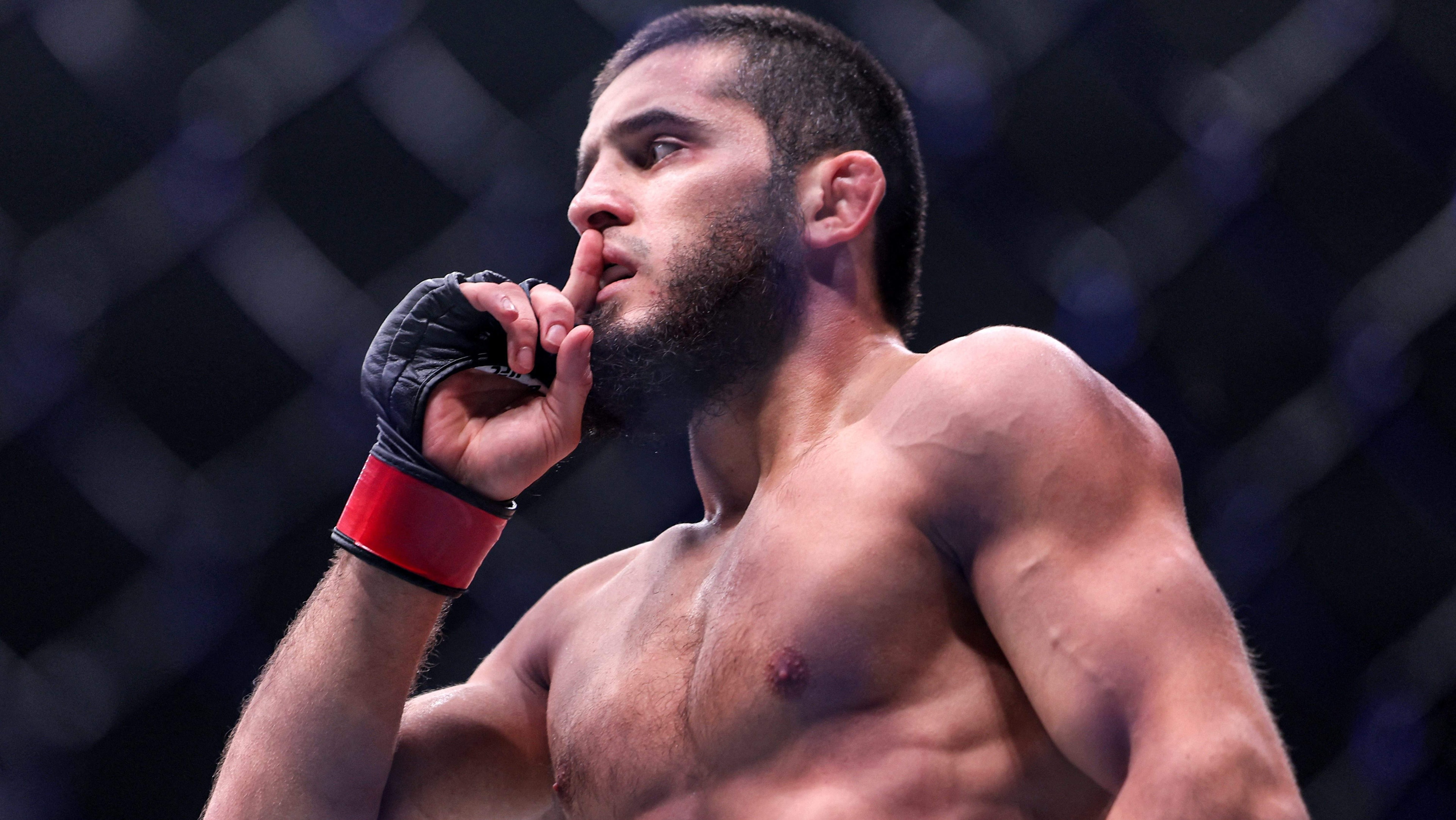
Islam Makhachev maps out his ideal timeline for walking away from MMA
UFC lightweight contender and champion Islam Makhachev says that while retirement is ultimately on his mind, he expects any exit from the sport to come well after his current competitive prime.
Islam Makhachev, the UFC champion recognized for his grinding, high-control style, has offered a window into how he envisions life after MMA. In an appearance discussed by Yahoo Sports, Makhachev addressed the question of retirement in practical terms, describing what an ideal end to his career would look like rather than treating retirement as an immediate storyline.
At the center of the discussion is the idea that Makhachev is still in the prime years of his run. He is 34 years old, and the framing of his comments suggested he is unlikely to step away soon, even amid ongoing chatter from prominent figures in combat sports media. The context includes UFC commentator Joe Rogan, whose views on when Makhachev’s career might end were presented as earlier than some fans would expect.
Makhachev’s remarks, as covered, position him as someone planning retirement around a longer arc than “right now” speculation. Rather than implying a sudden exit, he appears to be thinking about an eventual decision after establishing an end-stage point in the sport. That kind of answer matters in the UFC because champions and top contenders shape matchmaking, title timelines, and the way contenders time their own career peaks.
The UFC title picture also runs on continuity and cadence. When a champion indicates that retirement is not imminent, it affects how the division’s top challengers and matchmakers look at the next 6 to 18 months. Even if fight planning always depends on injuries and performance, a champion’s stated expectations can influence whether rivals press for a short runway to the belt or prepare for a more layered competitive stretch.
Makhachev’s comments also land in an era where fighter longevity has become a major part of the sport’s public conversation. Media personalities often offer their own predictions about how long an athlete can remain elite in combat. In this case, the reporting juxtaposed Makhachev’s own timeline thinking with Rogan’s assessment that the end could come sooner than others believe, setting up a contrast between lived planning and broadcast speculation.
There is, however, a limit to what can be concluded from a single retirement discussion. “Ideal plans” do not always match the reality of future training camps, competitive results, or physical wear and tear. For now, the clearest takeaway is that Makhachev is not presenting retirement as an imminent switch, and he is treating it as a later decision rather than an event that must happen this year.
Looking ahead, the most important thing to watch is whether Makhachev’s public framing stays consistent as he continues to compete. As long as he continues to portray himself in his competitive prime, the light at the end of the division’s title tunnel will likely remain far enough away to keep the championship chase focused on immediate contenders rather than a “bridge year” mentality.
Why It Matters
- A champion describing retirement as not imminent can stabilize the UFC division’s longer-term title timeline, influencing how challengers and matchmakers plan.
- Public retirement expectations can shape how fans and media interpret the urgency of title matchups for top contenders.
- In the UFC, where momentum matters, a champion’s self-assessment affects the perceived runway for the next crop of challengers.
- Comparisons between a fighter’s timeline and a media figure’s prediction highlight how retirement narratives can differ from real decision-making.
Sources
Key Facts
- Islam Makhachev discussed his ideal retirement plans in coverage that framed him as 34 years old and competing in his MMA prime.
- The comments were presented alongside UFC commentator Joe Rogan’s view that the end could arrive earlier than some expect.
- Makhachev was described as unlikely to retire anytime soon, even with the retirement question circulating publicly.
- The reporting suggests his approach is more about planning a longer arc than making an immediate retirement decision.