
THE APEX TIMES
Islam Makhachev says Ilia Topuria’s Justin Gaethje loss can be a turning point, not a setback
The UFC welterweight champion framed Topuria’s lopsided defeat as a learning moment, with the division’s title picture hinging on who can respond fastest after a damaging loss.
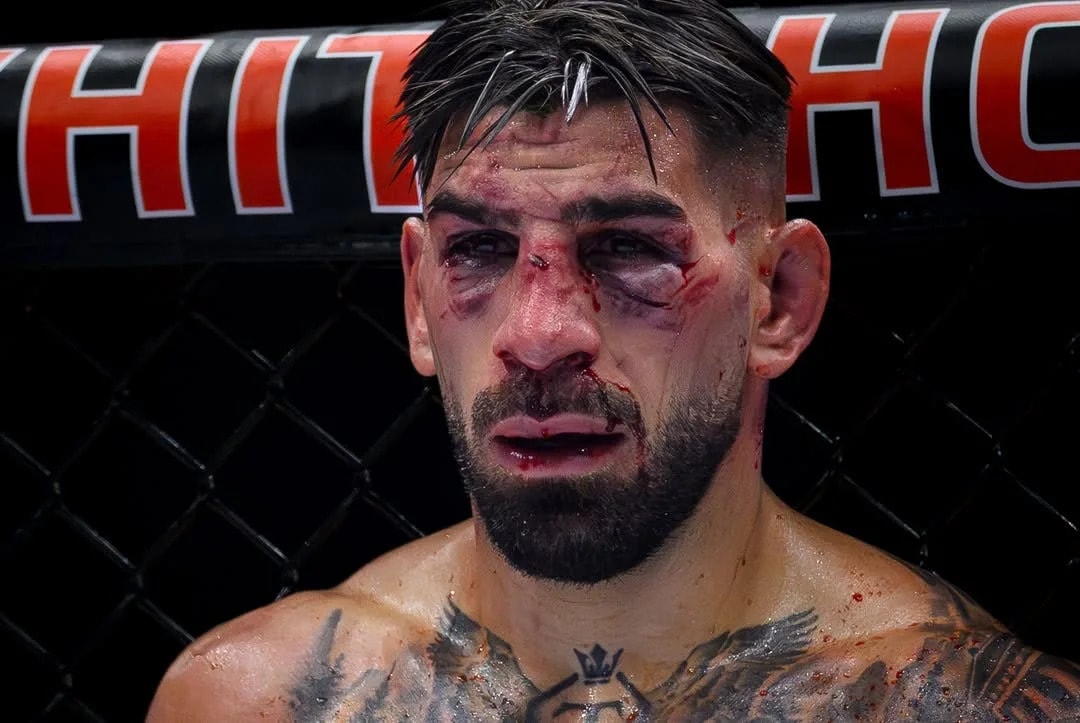
Islam Makhachev is offering a measured message of resilience after Ilia Topuria’s defeat to Justin Gaethje, arguing that the experience can push Topuria forward instead of breaking his momentum. Speaking through the lens of champion expectations, Makhachev said the kind of heavy, lopsided loss that Topuria suffered should not automatically define the next phase of a contender’s career, especially for a fighter who has already shown he can make adjustments over time.
The remarks matter because the UFC’s elite divisions often sort fighters into two categories after a high-visibility loss: those who regain control with a clear corrective plan, and those who start to drift in match-making. Topuria, as a marquee name at the top end of the roster, is now positioned as someone whose next performance can reshape how quickly the sport measures his durability as both a finisher and a complete operator.
Makhachev’s comments also underscore a broader champion mindset inside the UFC, where the most important currency is not a single outcome but what follows it. After a loss, fighters can return with a renewed approach, a more disciplined game plan, or a tighter fight IQ that neutralizes the opponent’s main threat. In that framework, a defeat to a style like Gaethje’s, which tends to come with pressure and willingness to engage in the exchanges, can reveal weaknesses that were easier to hide in earlier fights.
At the same time, Makhachev’s hope comes with the reality that “turning point” language is not the same as a guaranteed comeback. The UFC is unforgiving about regression, and a fighter’s ability to respond is usually tested in the very next opportunity, when opponents and match-makers look for evidence that the loss produced concrete improvement. The margin for error shrinks when you are near the top of the sport, because the next opponent is almost always built to expose what went wrong.
The conversation also highlights how interconnected title talk becomes when champions weigh in on other leading contenders. Makhachev’s perspective can influence how fans interpret Topuria’s ceiling right now, but it also reflects the internal logic champions use when preparing for possible future matchups. If Makhachev believes Topuria can recover and refine his approach, it keeps the idea of Topuria as a long-term threat alive, even after a damaging result.
For Topuria, the focus going forward will likely be on the fundamentals that decide whether a fighter can survive uncomfortable moments and keep the fight in the range that favors his strengths. If his rebound is convincing, it strengthens his argument for being pulled back toward the title conversation quickly. If it is not, the division could force him to rebuild through more incremental steps, where one performance at a time determines whether he remains a principal contender.
The next chapter to watch is not only who Topuria faces, but how he looks during the first rounds of that return bout. After a loss that changes the narrative, the early indicators become critical: whether he can manage distance, regain the ability to set his pace, and avoid the tactical traps that allowed the opponent to dominate. Until that happens, Makhachev’s hope will stand as encouragement, and not proof, of what Topuria’s future will be.
In the UFC, hope is cheap but adjustments are expensive, and the division will test both. Makhachev’s message suggests he expects Topuria to be the type of fighter who can learn from a harsh lesson, but the sport will still require Topuria to translate that lesson into results under pressure.
Why It Matters
- A major loss can quickly change a contender’s path in the UFC, and the comeback narrative often determines match-making priorities.
- Makhachev’s comments keep Topuria in the broader title conversation, at least in the minds of some observers, even after a damaging outcome.
- How Topuria rebounds can influence the ranking and threat order among elite welterweight contenders.
Key Facts
- Islam Makhachev said he hopes Ilia Topuria’s loss to Justin Gaethje leads to improvement rather than decline, according to Yahoo Sports.
- The report frames the defeat as lopsided and treats Topuria’s response as the key question for the next stage of his career.
- Makhachev is identified in the report as the UFC welterweight champion.