
THE APEX TIMES
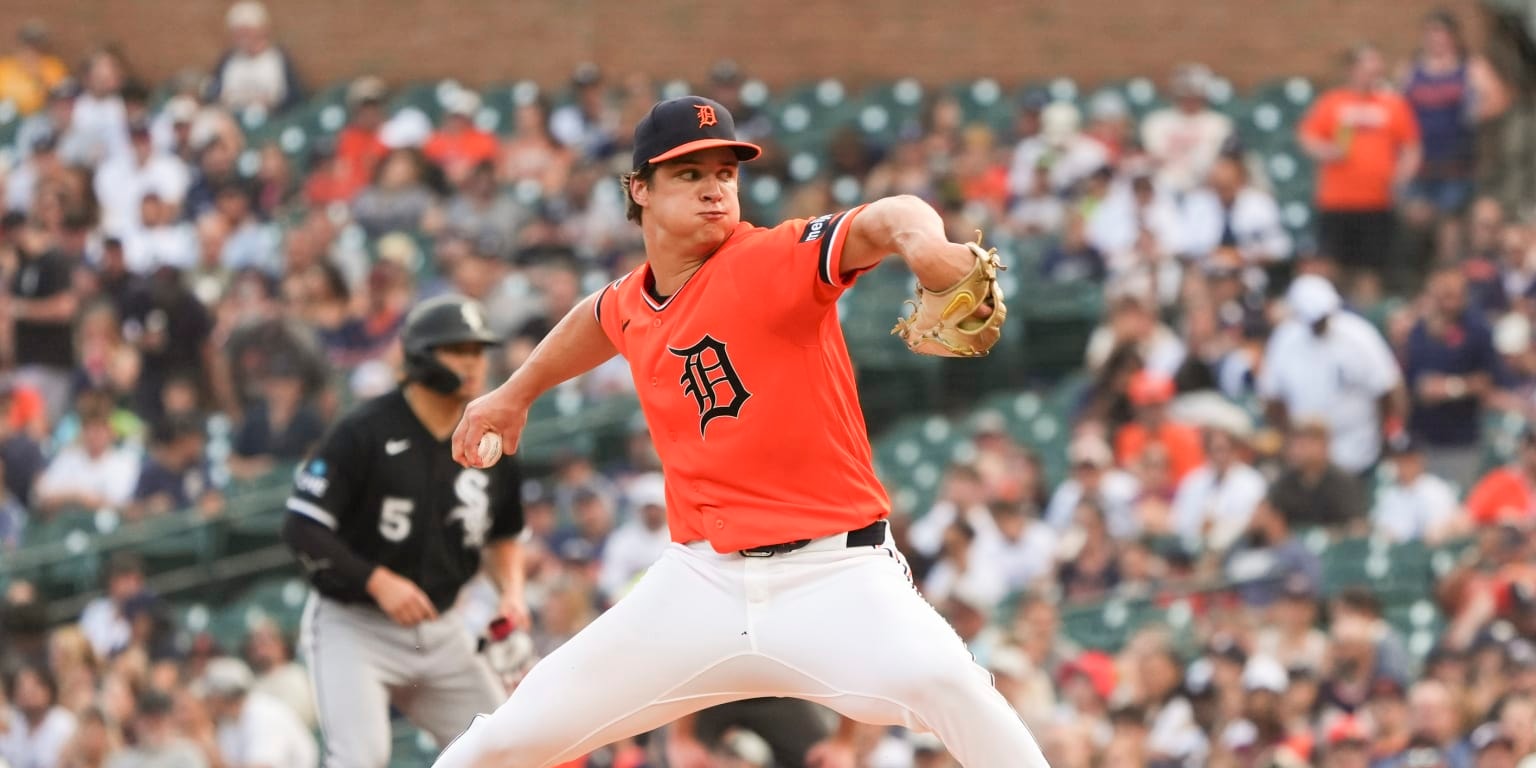
Jackson Jobe shows uneven command in second start back after Tommy John surgery
The Tigers right-hander’s early return from Tommy John is still a work in progress, reinforcing how the first year back can test a pitcher as much as it repairs the arm.
Detroit’s Jackson Jobe’s comeback from Tommy John surgery hit another bump during his second start back. In a game that was supposed to build on the step forward of his return, Jobe instead looked wobbly, a reminder that recovery is not a straight line even when modern baseball medicine has transformed the procedure into a pathway back to full workloads.
Tommy John surgery has come a long way since the first operation in 1974, and the benefit for today’s pitchers is not just survival. Many pitchers return with much of the same repertoire, timing, and feel that defined them before the injury, which is why the procedure has become a cornerstone of pitching durability. But Jobe’s start underscores the other half of the equation: the mental and mechanical adjustment period can last longer than fans expect.
According to the Tigers’ report on his outing, the concerns centered on his ability to consistently command pitches early and throughout the session. The second start back is a key checkpoint because it often exposes what remains unsettled after the initial return. Pitchers can look sharper in the first outing simply because of adrenaline and the novelty of being back on the mound, then encounter a more familiar set of issues once hitters settle in and scouting information starts to catch up.
That is the practical difference between “back from surgery” and “back to the form that made you a prospect.” When pitchers return, their mechanics and pitch execution can be influenced by how they manage effort, stride, and release consistency. Even if the arm is healthy, command and rhythm can lag, leading to a less reliable sequence, more traffic in the strike zone, and fewer opportunities to pitch at the top of their game.
For Detroit, the immediate takeaway is less about one performance and more about development. A pitcher’s first year back can require patience, both for the staff that is managing workload and for the pitcher who is rebuilding the fine control that turns raw stuff into out-making efficiency. The Tigers will likely weigh how Jobe’s stuff grades, how he responds to adversity during the outing, and how he bounces back in the days after.
Looking ahead, the story to watch is whether Jobe’s next start shows steady improvement in command and pitch-to-pitch consistency. The Tigers’ long-term interest is to get him back into a rhythm where his velocity and movement can be delivered on schedule, but their near-term goal is simpler: fewer “wobbly” stretches and more predictable sequencing.
Tommy John has changed careers, not just endings. Jobe’s second start back does not negate that progress, but it does confirm what baseball has learned the hard way over decades of returns: the first year after surgery is often when the work becomes most visible, and the shortest leash is reserved not for results, but for readiness that still has to catch up to health.
Why It Matters
- For Detroit, a smoother progression back from Tommy John can affect how confidently the club uses a pitcher in higher-leverage stretches.
- Jobe’s development trajectory is a roster-building issue, since command reliability usually determines how far a starter can go and when the staff can keep the innings rolling.
- The Tigers will need to balance short-term control problems against longer-term readiness, a common management challenge in post-surgery seasons.
- More broadly, the outing is another reminder that modern Tommy John recoveries still include adjustment periods that can show up early in the return.
Key Facts
- Jackson Jobe made his second start back from Tommy John surgery.
- The Tigers described the outing as uneven, with Jobe looking wobbly.
- The Tigers framed the first year back as a patience test as much as a physical one.
- The Tigers tied Jobe’s experience to the broader history of Tommy John surgery, dating to the first procedure in 1974.
- The report emphasized the gap that can exist between returning to the mound and consistently performing at pre-injury form.