
THE APEX TIMES
Jacob Misiorowski grinds through traffic as Brewers press Dodgers in NLCS Game 1
Even with a shorter outing by his standards, the Brewers’ Jacob Misiorowski fought for innings and pitch efficiency against a Dodgers lineup built for October, extending his run of strong postseason form after an NLDS Game 1 against San Diego.
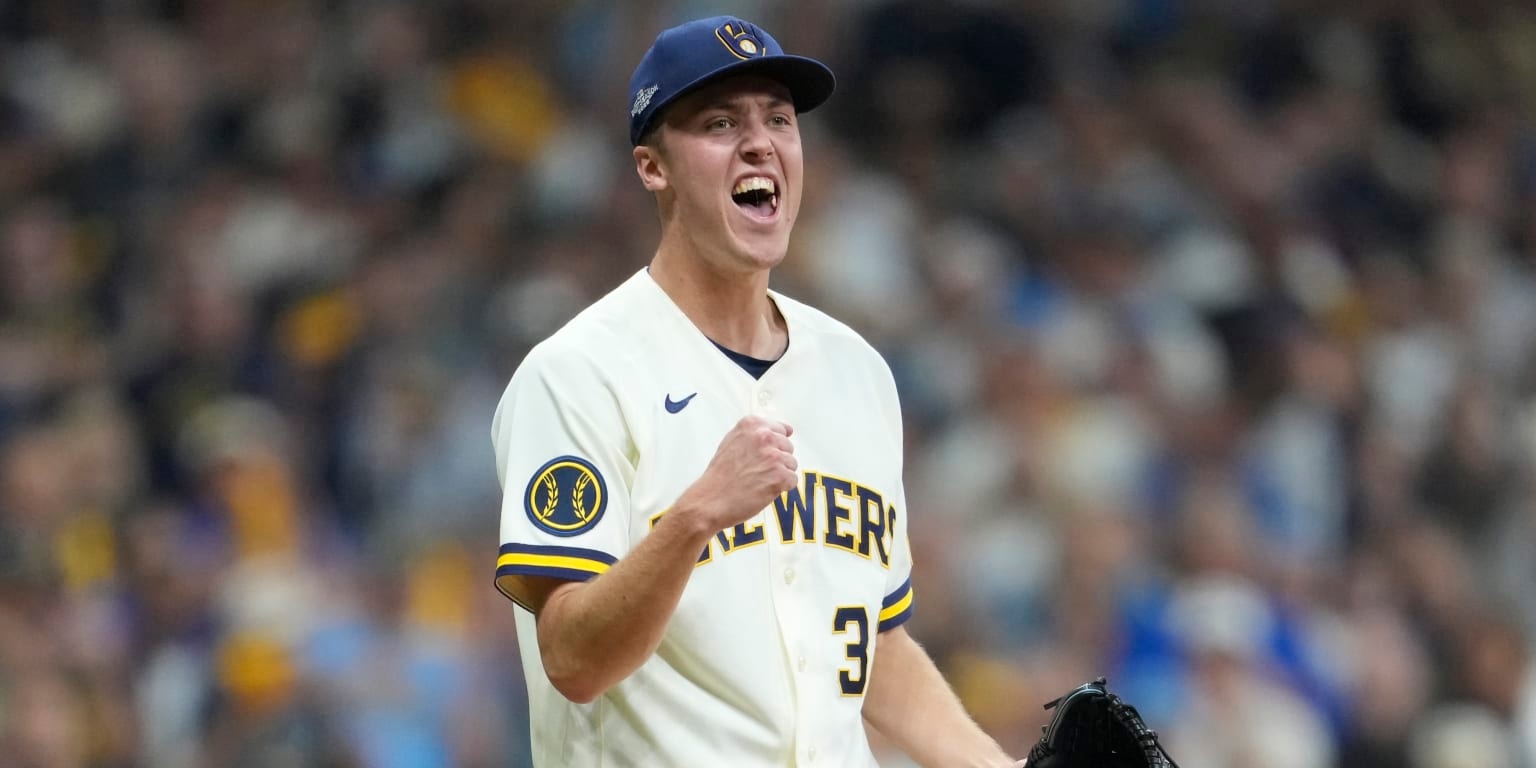
MILWAUKEE, Oct. 11, 2026. Jacob Misiorowski’s October routine started to look like a different sport. After a four-inning, 88-pitch outing in Game 1 of the NLDS, the Brewers’ ace moved into a more hostile matchup in the NLCS opener against the Dodgers, working 4 1/3 innings and 94 pitches as Milwaukee navigated a demanding early swing-and-miss and contact-heavy profile from Los Angeles.
Misiorowski’s outing was framed by the idea that October “traffic” changes the math. In the regular season, he was described by MLB as the Majors’ stingiest pitcher, a label that points to run prevention and control. In the postseason, the Brewers asked for another dose of restraint and sequencing, and he responded by lasting deep enough to “grind into the fifth,” a threshold that often determines how many bullpen arms can be kept quiet for later innings.
The comparison back to the NLDS is central to how to read this start. Versus the Padres in the first game of that series, the 88-pitch workload came in a four-inning segment. Against the Dodgers, Misiorowski’s pitch count rose, but the outing also carried slightly farther, indicating that Milwaukee was able to turn more of his early leverage appearances into innings that still mattered late in the game, even if his margin for error was thinner.
MLB’s game notes also characterized the Dodgers as a “vaunted” lineup, with the implication that Milwaukee’s starter was confronting hitters who punish predictable fastballs and late mistakes. That matters because a postseason ace’s effectiveness is rarely just about raw velocity or command. It’s about whether a pitcher can keep hitters from turning at-bats into multi-pitch leverage rallies, especially once baserunners are established.
For the Brewers, the immediate value of Misiorowski’s performance is not simply that he kept Los Angeles from fully taking over early. It is that he bought time for Milwaukee’s bullpen by reaching the middle innings, when both teams often trade plate appearances for strategic advantages like matchup timing and bullpen freshness. A starter who exits around the fifth inning can still tilt a series if the team then deploys relievers in the right order rather than being forced into emergency innings.
There is also a broader storyline behind the number itself. A jump from 88 pitches to 94, while not a huge leap, reflects the difference in how MLB playoffs offenses approach a pitcher they respect. The Brewers’ ability to handle the consequences of those extra pitches, rather than losing control of the inning, is likely to be a key question for the rest of this NLCS.
What to watch next is how Milwaukee manages the follow-up innings, because October games often hinge on the gap between the starter’s exit and the first meaningful bullpen reliever. If the Brewers can turn Misiorowski’s “traffic” grind into a clean transition, the ace-heavy identity they built in the regular season can reassert itself. If not, Los Angeles’ lineup depth is exactly the kind of pressure that can turn a strong start into a shorter-lived advantage.
Why It Matters
- Reaching the fifth inning affects how many bullpen arms a team must use early, which can determine late-inning leverage in a short series.
- Comparing the NLDS Game 1 workload to this NLCS Game 1 outing helps show how Milwaukee’s ace handled a different postseason offensive style.
- If the Brewers can convert Misiorowski’s innings into bullpen stability, they can preserve the matchup advantages that often decide NLCS games.
- For Los Angeles, forcing higher pitch counts from a known low-run-prevention starter is one way to test how quickly Milwaukee’s bullpen becomes the story.
Key Facts
- Jacob Misiorowski started for Milwaukee in NLCS Game 1 versus the Dodgers, working 4 1/3 innings.
- Misiorowski threw 94 pitches in that NLCS Game 1 outing.
- In NLDS Game 1 against the Padres, Misiorowski pitched four innings and threw 88 pitches.
- MLB’s preview framing described the outing as Misiorowski battling “traffic” and grinding into the fifth.
- The game matchup is presented as a test against a Dodgers lineup described as “vaunted.”