
THE APEX TIMES
Jacob Misiorowski’s breakthrough day hits a rare bump as Brewers righty allows two homers to Reds
Milwaukee’s rising starter, who had been shutting down hitters for weeks, surrendered a pair of long balls for the first time in more than a dozen starts while still recording 10 strikeouts.
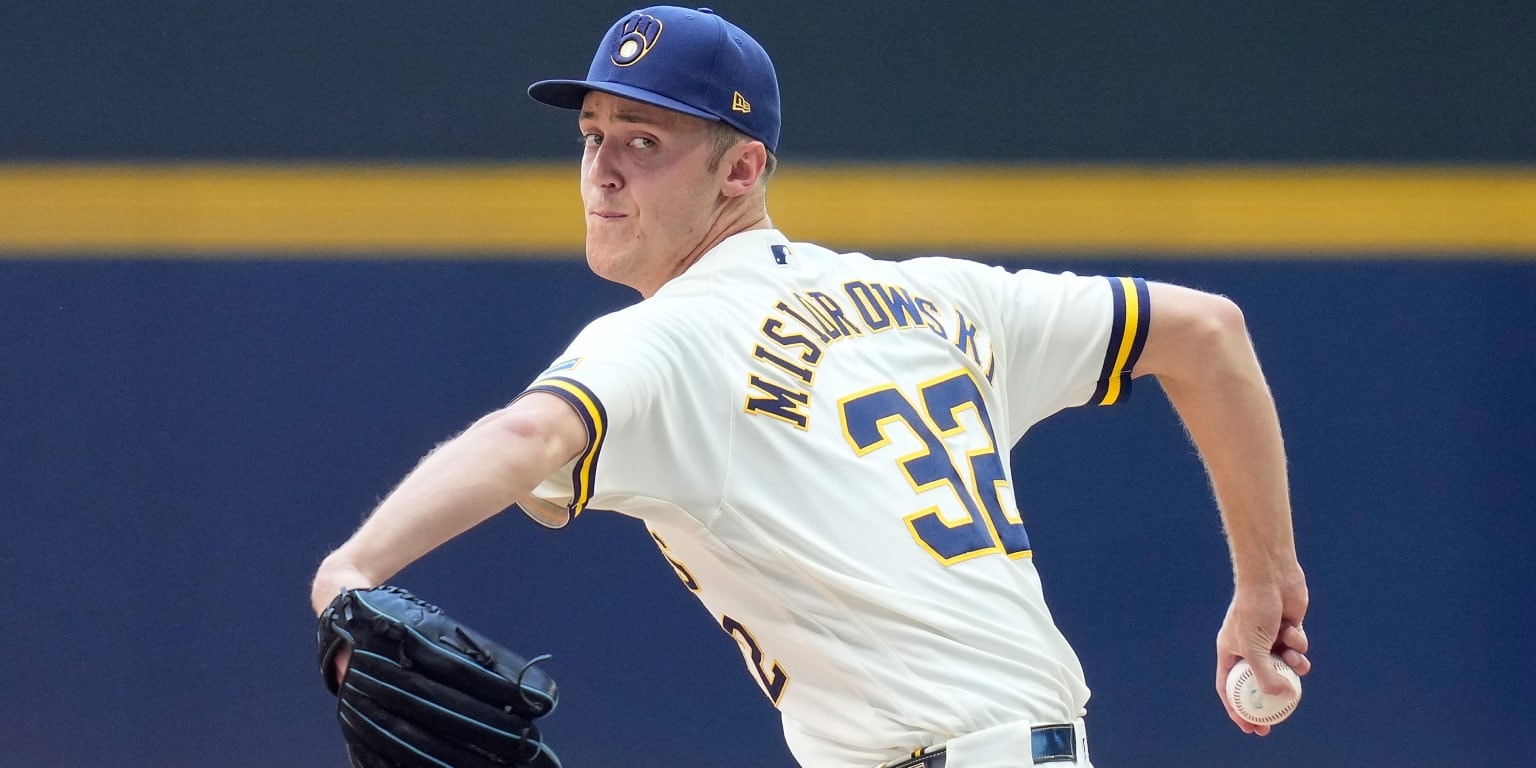
Jacob Misiorowski has helped define the Brewers’ present-tense rotation with a run of dominance that has made “making it look easy” a common description. On Thursday night in Milwaukee, however, the Reds served notice that even the most encouraging stretches can be punctured quickly. Misiorowski allowed two home runs in the game, a departure from the pattern he had established recently, and the mistake-prone inning-level reminder came alongside another major output number: 10 strikeouts.
According to the MLB game report, Misiorowski’s two home runs were his first pair surrendered in a two-homer game during his ongoing stretch that had reached into the previous 13 starts. That detail matters because it is less about a single bad swing and more about how tightly he had been limiting damage and keeping the ball in the field. Brewers fans had grown used to hard contact turning into outs, not into whistles and dugout exits.
The strikeout total also tells part of the story. A pitcher can have a night where execution holds up in most plate appearances, yet still get punished when the batting order times a mistake or when a pitch that has been working elsewhere catches too much of the zone. Misiorowski’s 10 strikeouts indicate that Milwaukee’s plan of attack, built around his ability to miss bats, continued to function even as the Reds found enough leverage to turn a couple of pitches into runs.
For the Brewers, this kind of performance is a useful data point as the season moves forward. A breakout pitcher does not need to be perfect every time through the lineup to remain valuable, but the ability to handle the moments that result in two-run swings is part of earning trust from the club as it weighs what to do in the later innings and, ultimately, in the postseason. Misiorowski has been pitching as if those moments were shrinking, and this game offered a clear reminder that they do not disappear.
The Reds’ ability to come away with multiple homers also emphasizes the thin line between “good start” and “problem start” for young pitchers. When a lineup can find the barrel two times in the same outing, it can reshape how fans remember the game, even when the pitcher is still taking away strikeouts at the same time. That is why the key takeaway is not just that home runs were allowed, but that it happened against a pitcher who had been limiting that exact outcome for an extended stretch.
Looking ahead, the question for Misiorowski is how he responds after a performance that ends a streak. Brewers pitchers and coaches typically monitor more than the result. They will evaluate whether the two home runs came from a particular pitch type, whether the command drifted in one phase of the outing, and whether his strike-throwing pattern changes afterward. For the catcher and pitching staff, it becomes a coaching moment: preserve what is working, adjust what is not, and move on quickly.
The next time Misiorowski takes the mound, the baseline expectations remain what they have been: generate swings and misses and keep damage down. This game with two homers may end up as a small footnote in a larger breakthrough narrative, but it also illustrates why “breakthrough” seasons still require resilience when hitters catch up to the pitcher for brief stretches. If Milwaukee can pair Misiorowski’s strikeout ability with quicker recovery from elevated contact, the rotation’s ceiling remains high.
In the meantime, Milwaukee’s bullpen workload and game management will be judged through the lens of nights like this one. A starter’s value is not only measured by strikeouts, but also by whether runs are prevented from piling up quickly. Thursday’s performance is a snapshot of that balance, and it sets up the next start as the real test of whether the rare two-homer outing becomes an outlier or a trend.
Why It Matters
- Ending a two-homer streak (or any similar damage-limiting stretch) can quickly change how a pitcher’s run support and pitch management are assessed.
- Even with 10 strikeouts, allowing multiple homers highlights the sport’s thin margins, especially for young pitchers building confidence.
- For Milwaukee’s playoff picture, rotational stability depends on a starter’s ability to recover after a rare outlier outing.
- The Brewers will likely use this game as a coaching reference point to maintain effectiveness while reducing the risk of repeated mistakes.
Sources
Key Facts
- Jacob Misiorowski of the Milwaukee Brewers allowed two home runs in a game versus the Cincinnati Reds.
- Misiorowski’s two-homer game was the first time he surrendered a pair of home runs during his prior stretch of 13 starts.
- He recorded 10 strikeouts in the same game.
- The MLB game report framed Misiorowski as having made his recent pitching look easy prior to the Reds’ power showing.