
THE APEX TIMES
Jaguars acquire Dolphins QB Quinn Ewers, adding a developmental option with starting experience ahead of roster cuts
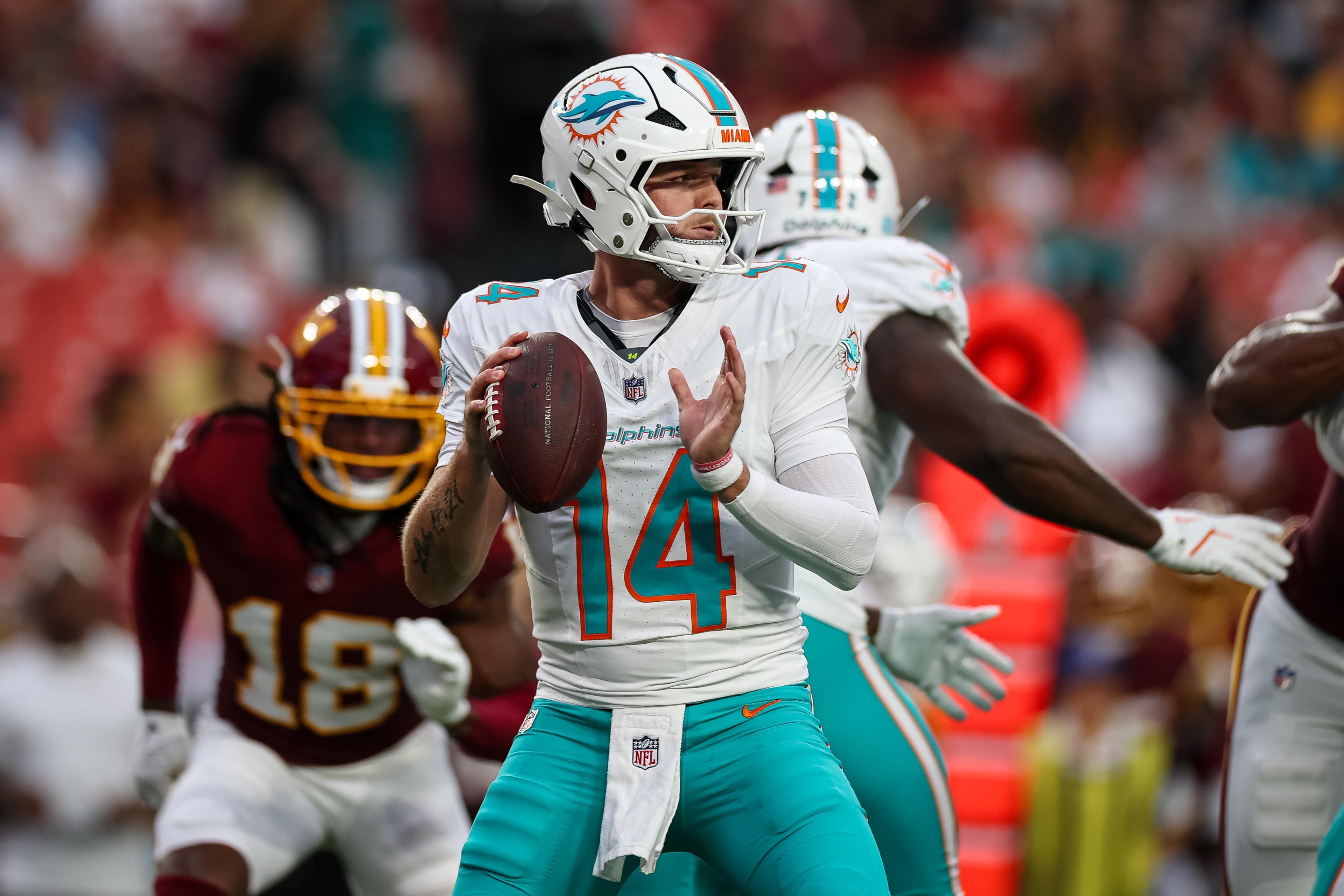
The Jacksonville Jaguars have traded for Miami Dolphins quarterback Quinn Ewers, a move aimed at strengthening the quarterback depth chart with a young report-caller who brings some on-field experience as teams finalize their 53-man rosters.
Jacksonville’s offseason take at the quarterback position moved closer to reality on August 29, when the Jaguars acquired quarterback Quinn Ewers from the Miami Dolphins. The central purpose of the transaction, as described in coverage of the deal, is roster timing. It arrives with the league’s 53-man roster deadline approaching, a point in training camp when teams decide which developmental projects they can keep while still carrying enough experience to protect game plans early in the season.
Ewers is being positioned by Jacksonville as a developmental option, but one with starting experience rather than a pure projection. That distinction matters in the NFL because the quarterback room is not just about long-term development, it is also about redundancy. Injuries, illnesses, and sudden scheme mismatches can force coaches to turn to a backup quickly, and having a young quarterback who has already worked through starting-game responsibilities can shape how a staff handles early-week game planning and risk.
For the Jaguars, bringing in a quarterback from within the AFC also changes the texture of the competition inside their own building. The team’s quarterback decision-making now has another data point to weigh, including how Ewers’ skill set fits the offense the staff wants to install and how quickly he can absorb play-calling terminology and adjustments. In practical terms, a trade for a quarterback late in camp indicates that Jacksonville believed Ewers offered something different from what was already in the room, whether that is experience level, developmental upside, or both.
Miami’s side of the move reflects the same roster arithmetic, but in a different direction. When a team parts with a quarterback, it often means it has decided the depth chart is headed somewhere else, either by internal development or by prioritizing other positions as roster decisions tighten. Without additional confirmed transaction specifics, the most verifiable framing is the structural one: Jacksonville wanted Ewers’ developmental upside with starting experience, and Miami was willing to move him.
The immediate stakes for Ewers are clear. With the 53-man deadline on the horizon, he becomes part of the Jaguars’ short list of quarterbacks who can make the cut. If he is retained, the next step will be performance in the remaining camp work that leads into Week 1 preparations, especially drills that show command in structured looks such as third downs, red zone sequences, and fast situational decisions.
It is also worth noting what remains unknown. Coverage of the trade, as presented in the initial report, does not provide publicly verifiable details here on the compensation involved, how the Jaguars plan to use Ewers in the first games, or how the existing quarterback depth chart shifts as a result. Those are the kinds of specifics that typically emerge through team transaction releases and follow-up reporting, and they are necessary to fully evaluate the long-term impact of the move.
For fans and evaluators, the most important question now is whether Ewers’ starting experience translates into consistent decision-making against NFL-level defenses as roster competition compresses. If he earns a spot, his ability to move through progressions, protect timing windows with receivers, and handle late-down situational tempo will likely determine how much leash he gets and what the Jaguars do to protect themselves against early-season variability.
Why It Matters
- Quarterback depth can define a team’s early-season stability, and trades like this often reflect a staff’s desire to reduce uncertainty behind the starter.
- A developmental quarterback with prior starting experience can influence how aggressively a coaching staff installs and tests its offensive plan late in camp.
- Because the trade arrives close to the 53-man cutdown, it adds pressure to justify the roster spot immediately through practice performance and system grasp.
- The move also reshapes the internal competition within both teams’ quarterback rooms and affects how other roster decisions are prioritized.
Key Facts
- The Jacksonville Jaguars acquired quarterback Quinn Ewers from the Miami Dolphins on August 29, according to reported transaction coverage.
- The move is framed as roster timing before the upcoming 53-man roster deadline.
- Ewers is described as a young developmental quarterback with starting experience.
- The Jaguars’ addition is intended to strengthen their quarterback depth chart with an experienced backup option.
- The reporting available here does not include verified details about compensation or exact roster role.