
THE APEX TIMES
Jahmyr Gibbs stays in Detroit through the 2030 season, and the Lions’ offense gets a longer runway
An extension keeps the Pro Bowl running back in the Lions’ plans for years, tightening the identity of an attack built around versatility, space, and a steady threat from the backfield.
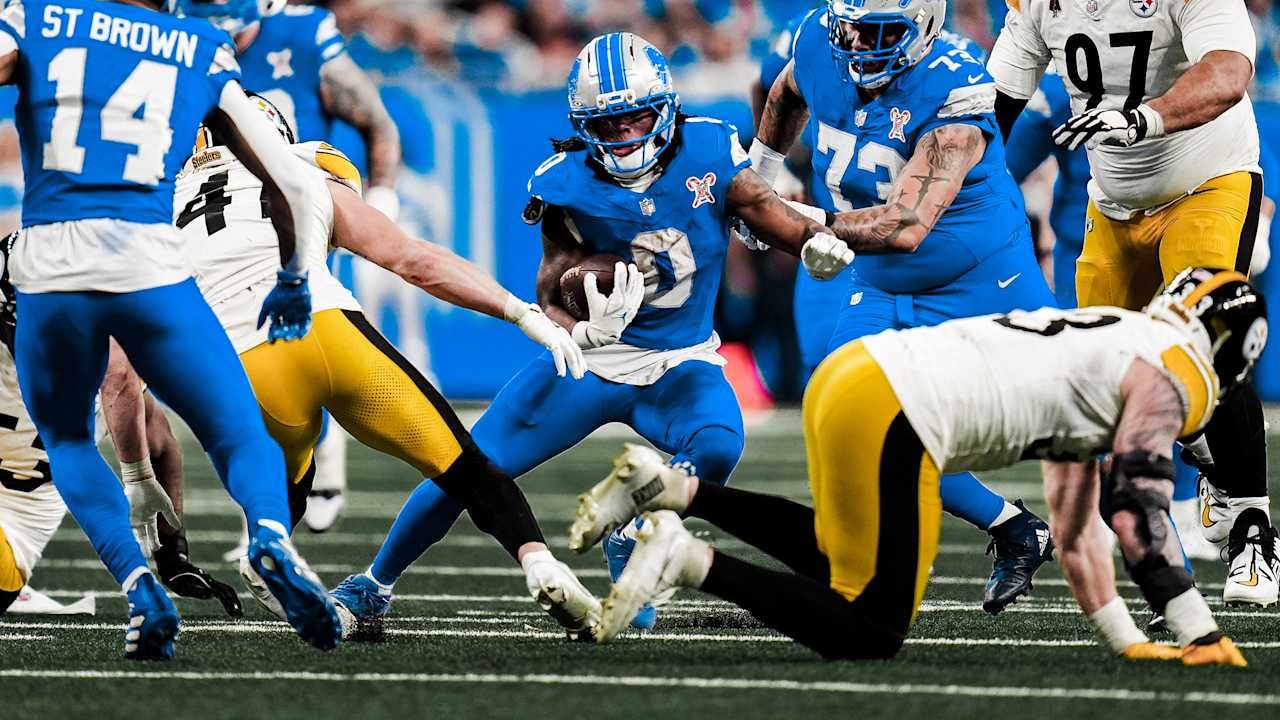
The Detroit Lions have agreed to a contract extension with running back Jahmyr Gibbs, keeping him in Detroit through the 2030 season. In a team perspective, Tim Twentyman framed the move as more than a roster decision. It is a statement about how Detroit wants to sustain an offense that can stress defenses in multiple ways, not just for one season cycle.
Gibbs’ value to the Lions is tied to versatility, the ability to create explosive runs, and the way he can factor into passing-game concepts. A running back who can operate between the tackles, win on outside angles, and handle defined roles in the receiving game gives offensive coordinators more flexibility. Over time, that flexibility matters because offenses do not have to reinvent their backfield identity each year, especially when they are trying to refine timing, formations, and route logic.
The extension through the 2030 season also changes the planning horizon. Team-building in the NFL is often constrained by contract timelines, salary-cap math, and the need to replace production when careers or roles shift. When a key piece of the offense is locked in longer, coaching staffs can take a steadier approach to scheme evolution, continuity, and how they build protections and run-pass balance around the players who will be in the system.
From an execution standpoint, keeping Gibbs in place can influence how defenses prepare week to week. When a back is both a rushing threat and a legitimate target, opponents must consider extra coverage help and cannot treat run fits as a simple, one-dimensional problem. That can open windows for complementary playmakers, including receivers on routes that require linebackers to honor the backfield threat, and it can shape the edge decisions on stretch and outside-run concepts.
Twentyman’s column places the extension in the context of offense, but it also points to a broader theme: Detroit’s offense has increasingly leaned into speed and play-to-play adaptability. A long-term deal with a dynamic back gives the Lions room to build continuity around an engine they can repeatedly deploy in different looks, rather than relying on short-term replacements that may require a learning curve in new roles.
There are, of course, limits to what any single contract extension can guarantee. The NFL is still subject to injuries, changes in roster personnel, and how defenses adjust with personnel matchups. Yet by locking in a core contributor for years, Detroit reduces one major variable, allowing the front office and coaching staff to direct attention to other areas of the offense while keeping a central matchup problem in place.
Why It Matters
- A long-term commitment to a dynamic back supports greater offensive continuity, which can improve how quickly an offense executes complex plays.
- Gibbs’ versatility helps create matchup problems that can force defensive adjustments across rushing and passing situations.
- Extending through the 2030 season extends Detroit’s planning horizon, reducing the likelihood of disruptive backfield rebuilding cycles.
Key Facts
- The Detroit Lions and running back Jahmyr Gibbs agreed to a contract extension.
- The extension is set to keep Gibbs in Detroit through the 2030 season.
- The analysis was provided by Tim Twentyman in a Lions team story focused on the offense impact.