
THE APEX TIMES
Jake Burger swings for the moment, but the Rangers’ skid persists in loss to the A’s
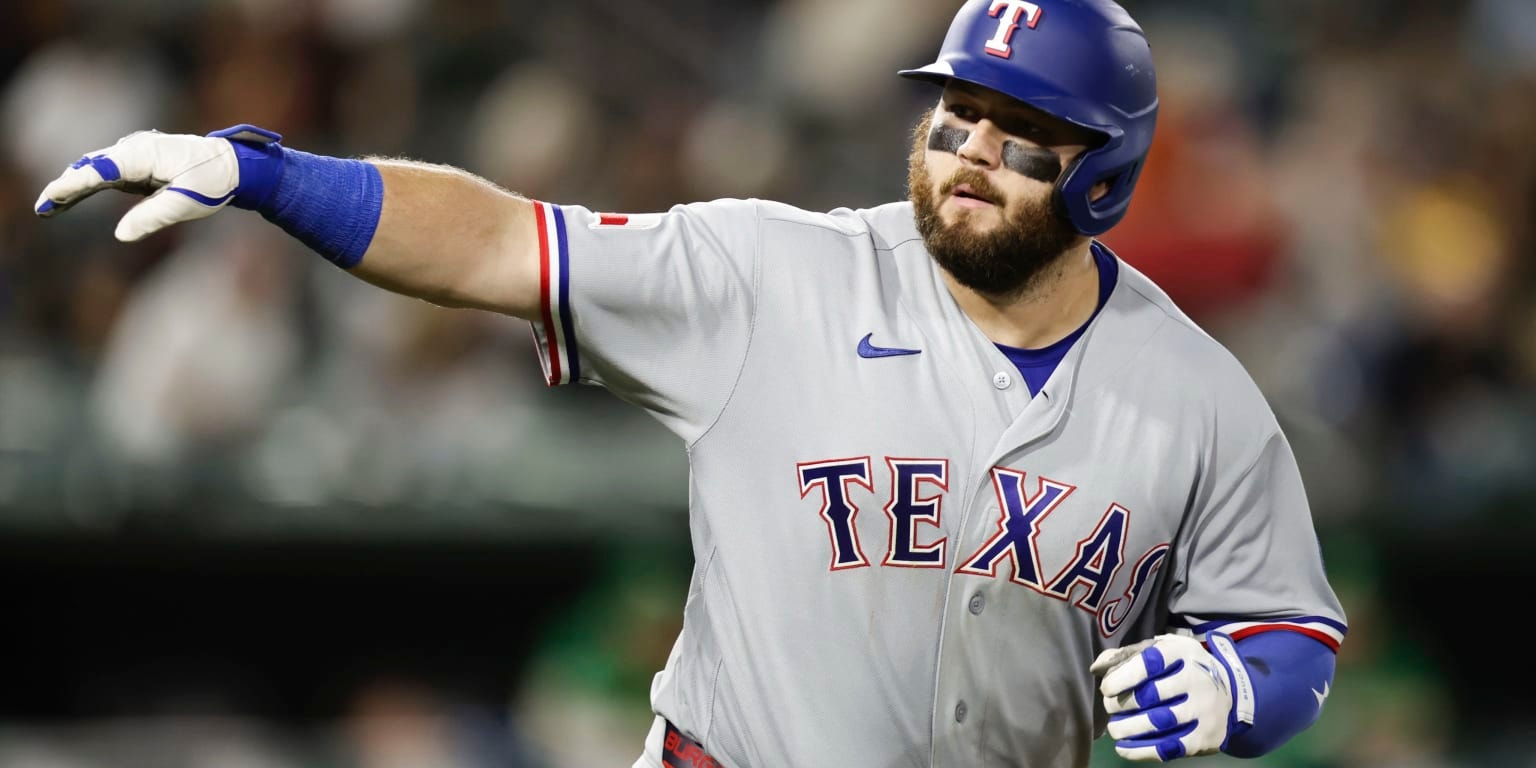
A three-run home run by Jake Burger gave the Rangers a big spark with runners in scoring position, yet it was not enough as the club kept failing to turn rallies into runs.
The Rangers finally produced the kind of run-scoring punch they had been chasing, but the timing did not change the outcome. Jake Burger delivered a three-run home run in the middle of a game against the Athletics, one of those decisive swings that comes when runners are on base and the math gets urgent. Even so, the Rangers came up short again, leaving them frustrated with the recurring theme that no matter how the offense showed up, it did not last long enough to flip the result.
Burger’s homer landed with the lineup in the kind of spot managers want to find more often: runners in scoring position, pressure high, and leverage at its peak. The production mattered for the immediate inning because it pulled the Rangers forward by turning a late-game situation into a bigger, cleaner swing for the hitter. It also carried symbolic weight, because the report framing centered on how the club had been searching for that “big hit” with men on.
But the loss illustrated how difficult it has been for the Rangers to consistently string those moments together. A single long ball can change a scoreboard quickly, yet it cannot solve a broader problem if the rest of the offense struggles to sustain rallies or if opportunities keep ending before runs become runs. In this game, Burger’s blast was a necessary jolt, not a cure.
For the Rangers, the most important detail may be how the offense looked when it finally reached the right kind of context. The club’s ability to get into scoring position has been emphasized, and this time the critical payoff arrived. The follow-through did not, which is why the story lands not on a comeback, but on continued “bleeding” in the team’s ability to protect momentum once it appears.
The Athletics, meanwhile, benefited from the Rangers’ inability to convert the best of their chances into sustained scoring. When a team gives up a three-run homer, the next step is to limit the damage around it, and to keep the game from turning into a multi-run inning that can create separation. This time, the Rangers did not get beyond the one big swing that shifted things in their favor.
What to watch next is whether the Rangers treat this game as a sign of what their offense can do in scoring-position situations, or whether it ends up being an outlier. The question is less whether they can produce a “clutch” blast, and more whether they can stack additional baserunners and extra bases immediately after the home run, turning a single swing into multiple innings of pressure.
For now, the Rangers have a clearer visual of what’s missing. Burger provided the type of impact that energizes an offense and gives a team a chance to change a game’s direction. The Rangers, however, still need to solve the part that follows, because in a tight scoring environment, one big inning rarely decides everything if the next opportunities do not produce runs quickly enough.
Why It Matters
- A three-run homer can be a turning point, but this result highlights that the Rangers need more consistent run production than they are currently getting.
- The ability to drive in runners in scoring position matters for late-season positioning, because small margins often decide who gains ground.
- Repeated games shaped by early chances not turning into sustained scoring can affect lineup confidence and in-game decision-making.
- For the Athletics, keeping the damage limited around a major homer is a key sign of game control and defensive/relief effectiveness.
Key Facts
- Jake Burger hit a three-run home run for the Rangers.
- The homer came in a situation involving runners in scoring position.
- The Rangers lost to the Athletics despite Burger’s clutch impact.
- The game narrative focused on the Rangers’ difficulty converting scoring opportunities into enough runs.
- The story emphasized the Rangers could not “stop the bleeding,” even after a big hit arrived.