
THE APEX TIMES
Jake Golday’s Punchout Fueled Vikings’ Second-Half Push at Saints
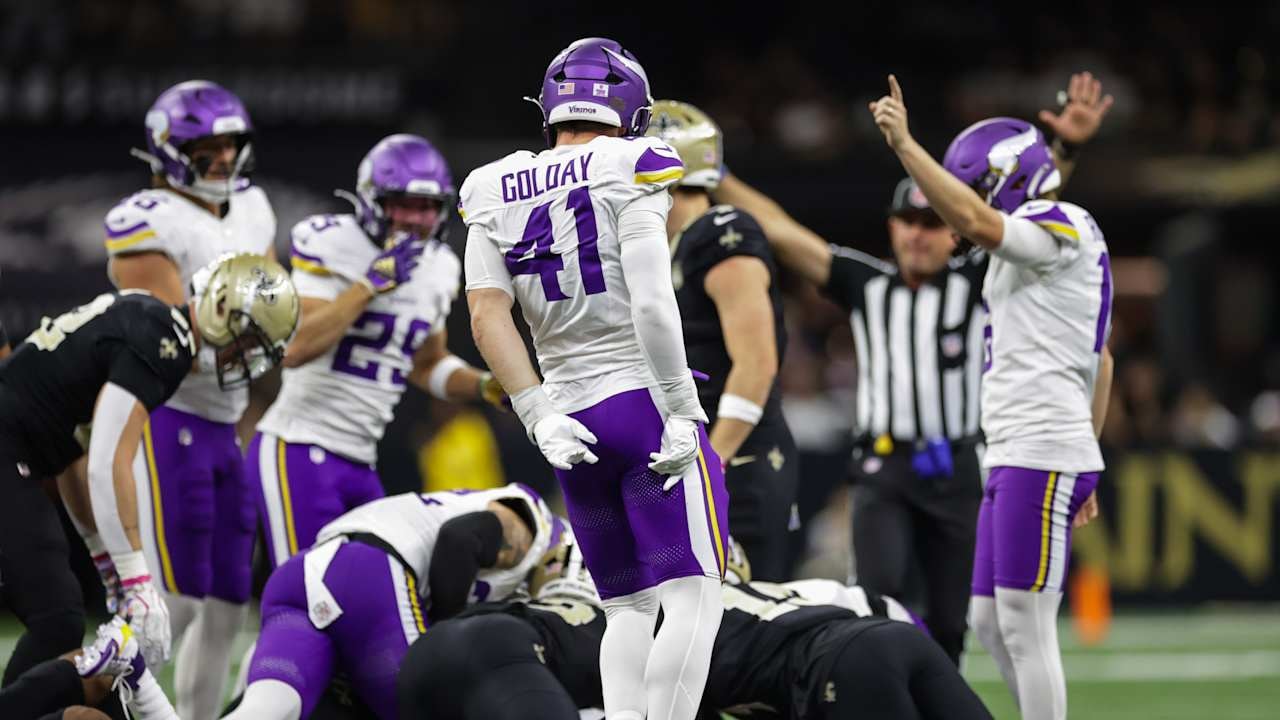
Minnesota got a momentum swing in the second half at New Orleans as rookie Jake Golday recorded a “punchout” that helped shift the feel of the game.
The Minnesota Vikings’ second half at the New Orleans Saints turned on a single play, one that arrived with the kind of timing that can change how an offense attacks and how a defense communicates. In a Vikings game recap published after Sunday’s matchup, the team highlighted a rookie moment from Jake Golday: a punchout that altered the flow after Minnesota had to respond to New Orleans’ rhythm.
According to the Vikings account, the key was not only the result, but the swing in momentum. The punchout came late enough in the game to matter, and early enough to change what followed. Once Minnesota created that jolt, the team’s ability to capitalize improved, and the overall dynamic shifted in a way that is often difficult to quantify, but easy to feel in possession-by-possession football.
Golday’s status as a rookie made the play stand out. In the NFL, rookies can struggle with the speed of reads and the precision required in tight-game situations. The Vikings’ recap framed the punchout as a “savvy” decision, emphasizing awareness and timing rather than raw physicality alone. That matters because punchouts are typically built on recognizing the moment before others do, then getting the leverage and execution just right.
The Vikings have often treated special-teams and create-the-swing plays as part of their identity, and this one fit that pattern. Even without turning it into a season-long theme, a punchout can be a meaningful charting event. It can force the opponent to adjust quickly, shorten the margin for error on their next set of plays, and bring a steadier tempo to the sideline of the team that just made the break.
For New Orleans, the punchout was the kind of disruptive moment that can ripple beyond the immediate possession. When a team loses rhythm, the first drive after the swing frequently looks different: protection calls change, field position becomes more volatile, and play-calling can get more conservative. In the Vikings’ recap, Golday’s play is presented as the pivot point that changed how the second half played out.
Looking ahead, Minnesota’s next steps will be about consistency. A single defensive or special-teams play can energize a team, but the best follow-up is turning momentum into sustained execution across multiple drives. If the Vikings can keep building from games like this, Golday’s role could become more than a one-week highlight, especially as opponents prepare for the types of aggressive, awareness-based looks Minnesota is willing to take.
Why It Matters
- Momentum plays can influence play-calling and tempo immediately, especially in the second half.
- A rookie making a swing play can accelerate trust from coaches and teammates in high-leverage situations.
- Punchouts are disruptive by design, and they can force rapid adjustments from the opponent.
- For Minnesota, the next test is whether this kind of awareness can translate into consistent execution across multiple drives.
Key Facts
- The Vikings’ Sunday game at New Orleans included a second-half momentum shift tied to a rookie play.
- The team’s recap highlights Jake Golday and describes a “punchout” that changed the feel of the game.
- Minnesota attributed the momentum swing to the timing and decision-making behind the punchout.
- The recap characterizes Golday’s play as savvy and impactful on the second-half flow.